








The Time Is Right to Build Hong Kong into a National Gateway for Going Global




The Time Is Right to Build Hong Kong into a National Gateway for Going Global

The source text is in Chinese. This English version is for reference only. In case of any discrepancy between this English version and the Chinese version, the Chinese version shall prevail.
The current wave of Chinese mainland enterprises expanding overseas is in full swing. According to the Ministry of Commerce, China's outbound non-financial direct investment exceeded RMB 1 trillion in 2025, a year-on-year increase of 1.6%, with investment in Belt and Road partner countries growing by 17.6%. Newly signed contracts for overseas contracted projects reached RMB 2.1 trillion, up 8.5%. A survey by the China Council for the Promotion of International Trade shows that nearly 80% of respondents intend to expand or maintain their outbound investment, with nearly half hoping to "go global collectively." However, problems such as the fragmentation of outbound service ecosystems, insufficient regional coordination, and uneven international support capabilities are becoming increasingly prominent, creating bottlenecks that constrain enterprises' efforts to "go out."
At present, cities including Beijing, Shanghai, Guangzhou, and Chengdu have established regional enterprise outbound service centres, offering local firms preliminary services such as policy consultation, customs clearance, and legal advice. Yet these platforms are largely segmented by geography, primarily serving local enterprises, and lack a national coordination mechanism or overseas communication channels. More critically, they have insufficient capacity in high-end service areas such as cross-border dispute resolution and international investment and financing structure design, and lack real-time, in-depth understanding of overseas policy and market developments. For the vast number of SMEs eager to explore overseas markets but lacking experience, the fragmented service landscape often leaves them trapped in a dilemma: "basic information is easy to obtain, but high-end professional services are hard to access; preparation before going overseas is inadequate, and guidance after going overseas is absent."
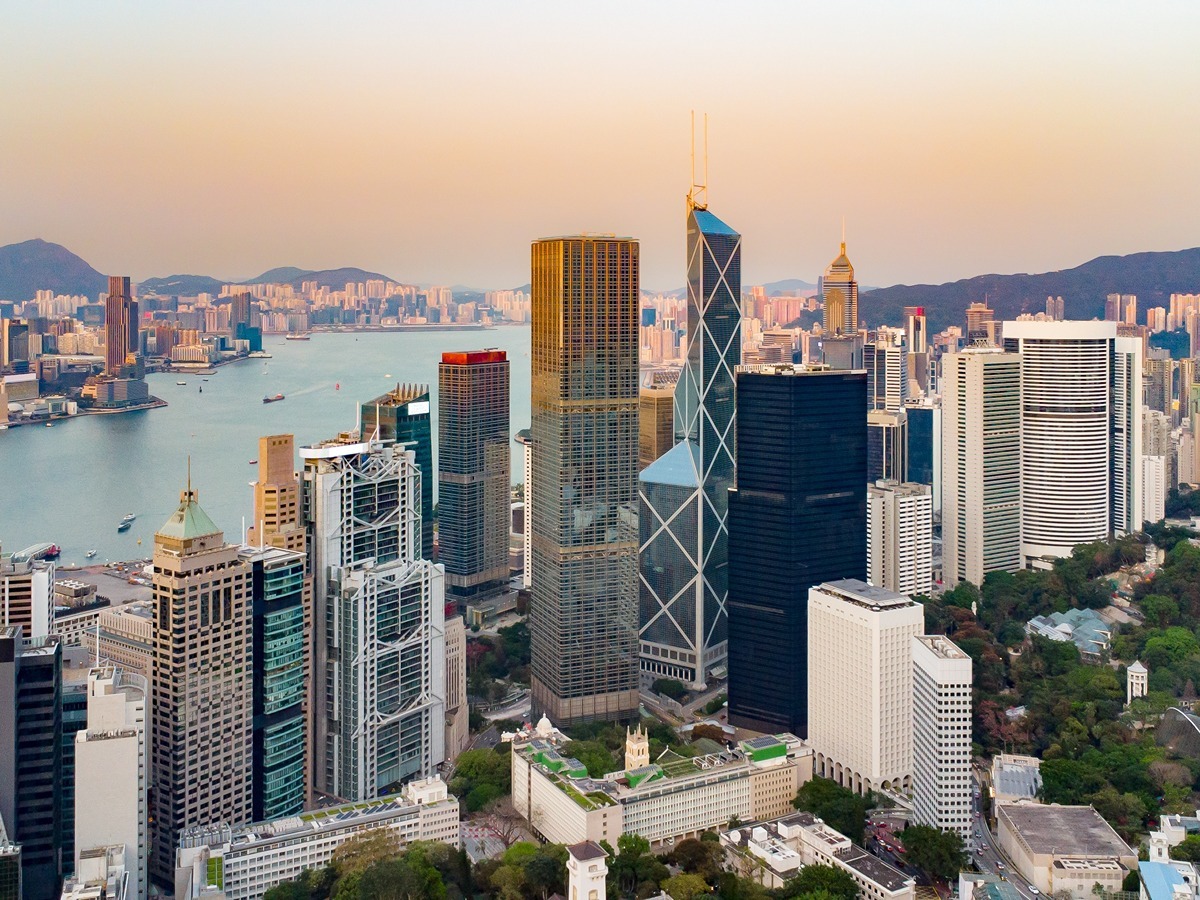
Hong Kong is uniquely positioned to fill this gap. As an international metropolis, Hong Kong possesses a mature common law system, regulatory frameworks aligned with international standards, a global business network, and a highly internationalised pool of professional talent. Compared with regional outbound hubs on the mainland, Hong Kong can not only provide preliminary consultation but also play a pivotal role in high-end areas such as cross-border investment and financing, international dispute resolution, and overseas M&A support. Particularly against the backdrop of rising global geopolitical risks, Hong Kong, as a relatively neutral international commercial hub, can offer enterprises risk mitigation and credibility endorsement. If policy guidance can turn regional outbound service centres on the mainland into front-end touchpoints of Hong Kong's international service network — forming a collaborative model of "mainland platform preliminary screening — Hong Kong gateway in-depth services — global market expansion" — the cost of going overseas for enterprises would be effectively reduced. It should be emphasised that mainland cities have a deeper understanding of surrounding enterprises, while Hong Kong has stronger connections to international markets. This collaborative model is therefore not one in which Hong Kong directs the various outbound centres, but rather an equal partnership in which each party leverages its own strengths to achieve mutual benefit.
From the perspective of Hong Kong's own development, following the implementation of the National Security Law, Hong Kong is steadily entering a new phase of progressing from stability to prosperity. Although the nation has conferred important designations on Hong Kong, such as that of an international innovation and technology centre, economic momentum in recent years has been relatively subdued due to global macroeconomic fluctuations, with the fiscal budget even falling into deficit at one point. As a growing number of Hong Kong residents head to Shenzhen for consumption, the local food and beverage and retail sectors face pressure. In this context, proactively aligning with the national strategy of enterprises going global, and converting the vast mainland demand for outbound expansion into a new driver of Hong Kong's economic growth, has become a critical opportunity for Hong Kong to resolve its development challenges and ensure long-term stability and prosperity. The HKSAR Government's recent establishment of a dedicated "going global task force" is an important signal of active alignment with the national strategy.
Clearly positioning Hong Kong as a national gateway for going global can better coordinate outbound services between the mainland and Hong Kong, point the way for SMEs — which constitute the overwhelming majority of market participants — reduce trial-and-error risks, and efficiently match enterprises' professional service needs at each stage of their outbound journey. This combination of a "proactive government" and an "effective market" can provide internationalised, professionalised, and systematic strategic support for mainland enterprises going overseas, while opening up vast hinterland demand for Hong Kong's advantaged industries such as legal, accounting, and financial services. By attracting enterprises to establish international headquarters in Hong Kong, it would also stimulate local consumption, creating a virtuous cycle of economic development and improved livelihoods. Amid changes unseen in a century, this initiative delivers multiple benefits in one stroke, and is well worth in-depth study and active pursuit by the relevant parties.


The source text is in Chinese. This English version is for reference only. In case of any discrepancy between this English version and the Chinese version, the Chinese version shall prevail.
The current wave of Chinese mainland enterprises expanding overseas is in full swing. According to the Ministry of Commerce, China's outbound non-financial direct investment exceeded RMB 1 trillion in 2025, a year-on-year increase of 1.6%, with investment in Belt and Road partner countries growing by 17.6%. Newly signed contracts for overseas contracted projects reached RMB 2.1 trillion, up 8.5%. A survey by the China Council for the Promotion of International Trade shows that nearly 80% of respondents intend to expand or maintain their outbound investment, with nearly half hoping to "go global collectively." However, problems such as the fragmentation of outbound service ecosystems, insufficient regional coordination, and uneven international support capabilities are becoming increasingly prominent, creating bottlenecks that constrain enterprises' efforts to "go out."
At present, cities including Beijing, Shanghai, Guangzhou, and Chengdu have established regional enterprise outbound service centres, offering local firms preliminary services such as policy consultation, customs clearance, and legal advice. Yet these platforms are largely segmented by geography, primarily serving local enterprises, and lack a national coordination mechanism or overseas communication channels. More critically, they have insufficient capacity in high-end service areas such as cross-border dispute resolution and international investment and financing structure design, and lack real-time, in-depth understanding of overseas policy and market developments. For the vast number of SMEs eager to explore overseas markets but lacking experience, the fragmented service landscape often leaves them trapped in a dilemma: "basic information is easy to obtain, but high-end professional services are hard to access; preparation before going overseas is inadequate, and guidance after going overseas is absent."
Hong Kong is uniquely positioned to fill this gap. As an international metropolis, Hong Kong possesses a mature common law system, regulatory frameworks aligned with international standards, a global business network, and a highly internationalised pool of professional talent. Compared with regional outbound hubs on the mainland, Hong Kong can not only provide preliminary consultation but also play a pivotal role in high-end areas such as cross-border investment and financing, international dispute resolution, and overseas M&A support. Particularly against the backdrop of rising global geopolitical risks, Hong Kong, as a relatively neutral international commercial hub, can offer enterprises risk mitigation and credibility endorsement. If policy guidance can turn regional outbound service centres on the mainland into front-end touchpoints of Hong Kong's international service network — forming a collaborative model of "mainland platform preliminary screening — Hong Kong gateway in-depth services — global market expansion" — the cost of going overseas for enterprises would be effectively reduced. It should be emphasised that mainland cities have a deeper understanding of surrounding enterprises, while Hong Kong has stronger connections to international markets. This collaborative model is therefore not one in which Hong Kong directs the various outbound centres, but rather an equal partnership in which each party leverages its own strengths to achieve mutual benefit.
From the perspective of Hong Kong's own development, following the implementation of the National Security Law, Hong Kong is steadily entering a new phase of progressing from stability to prosperity. Although the nation has conferred important designations on Hong Kong, such as that of an international innovation and technology centre, economic momentum in recent years has been relatively subdued due to global macroeconomic fluctuations, with the fiscal budget even falling into deficit at one point. As a growing number of Hong Kong residents head to Shenzhen for consumption, the local food and beverage and retail sectors face pressure. In this context, proactively aligning with the national strategy of enterprises going global, and converting the vast mainland demand for outbound expansion into a new driver of Hong Kong's economic growth, has become a critical opportunity for Hong Kong to resolve its development challenges and ensure long-term stability and prosperity. The HKSAR Government's recent establishment of a dedicated "going global task force" is an important signal of active alignment with the national strategy.
Clearly positioning Hong Kong as a national gateway for going global can better coordinate outbound services between the mainland and Hong Kong, point the way for SMEs — which constitute the overwhelming majority of market participants — reduce trial-and-error risks, and efficiently match enterprises' professional service needs at each stage of their outbound journey. This combination of a "proactive government" and an "effective market" can provide internationalised, professionalised, and systematic strategic support for mainland enterprises going overseas, while opening up vast hinterland demand for Hong Kong's advantaged industries such as legal, accounting, and financial services. By attracting enterprises to establish international headquarters in Hong Kong, it would also stimulate local consumption, creating a virtuous cycle of economic development and improved livelihoods. Amid changes unseen in a century, this initiative delivers multiple benefits in one stroke, and is well worth in-depth study and active pursuit by the relevant parties.