









Flexible Resource Allocation to Combat Soaring Fuel Costs and Safeguard Hong Kong's Aviation Competitiveness




Flexible Resource Allocation to Combat Soaring Fuel Costs and Safeguard Hong Kong's Aviation Competitiveness

The source text is in Chinese. This English version is for reference only. In case of any discrepancy between this English version and the Chinese version, the Chinese version shall prevail.
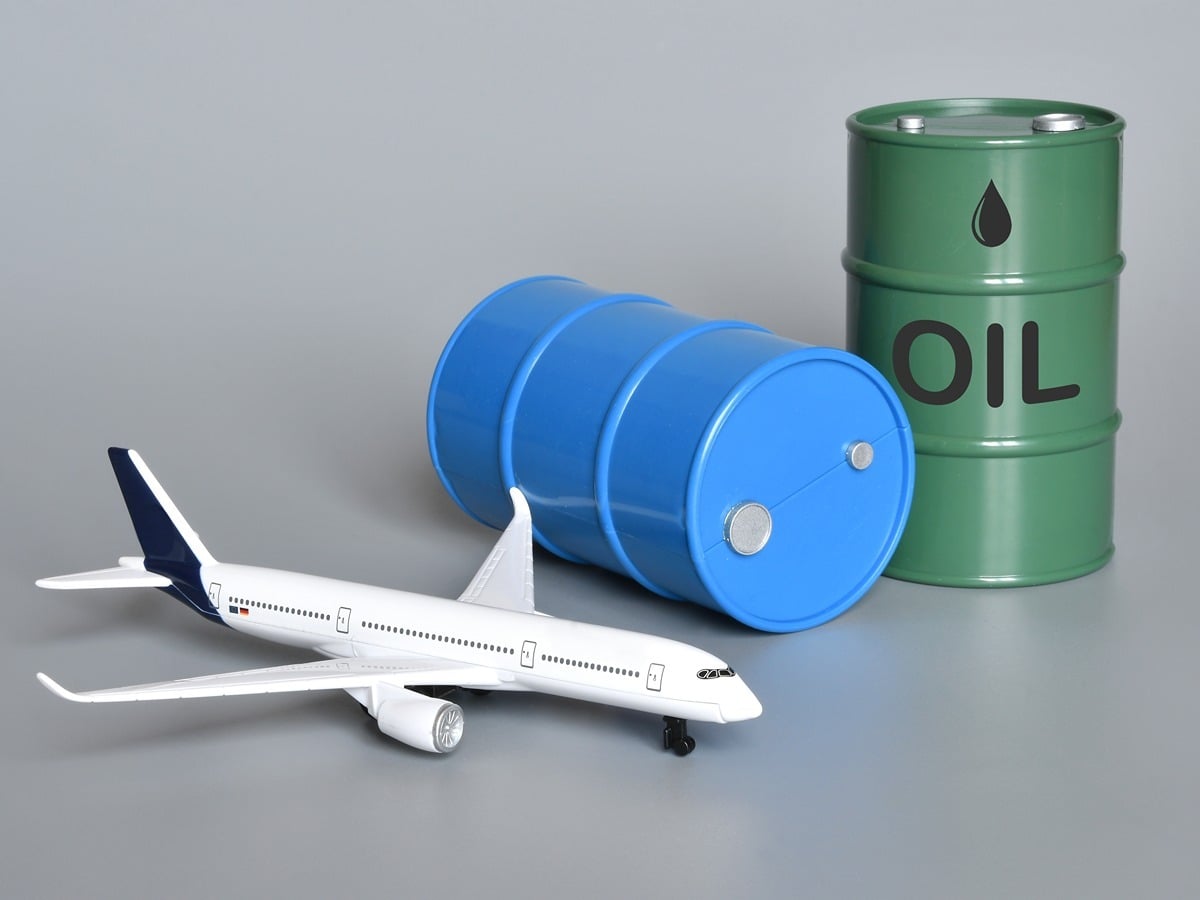
Turmoil in the Middle East has sent aviation fuel prices soaring. As an international aviation hub, Hong Kong is facing the twin challenges of capacity adjustments and the pass-through of energy costs. From budget airlines cutting flights to surcharges rising sharply, this "fuel crisis" is profoundly affecting Hong Kong's tourism revenue and consumer spending through varying degrees of price sensitivity among consumers.
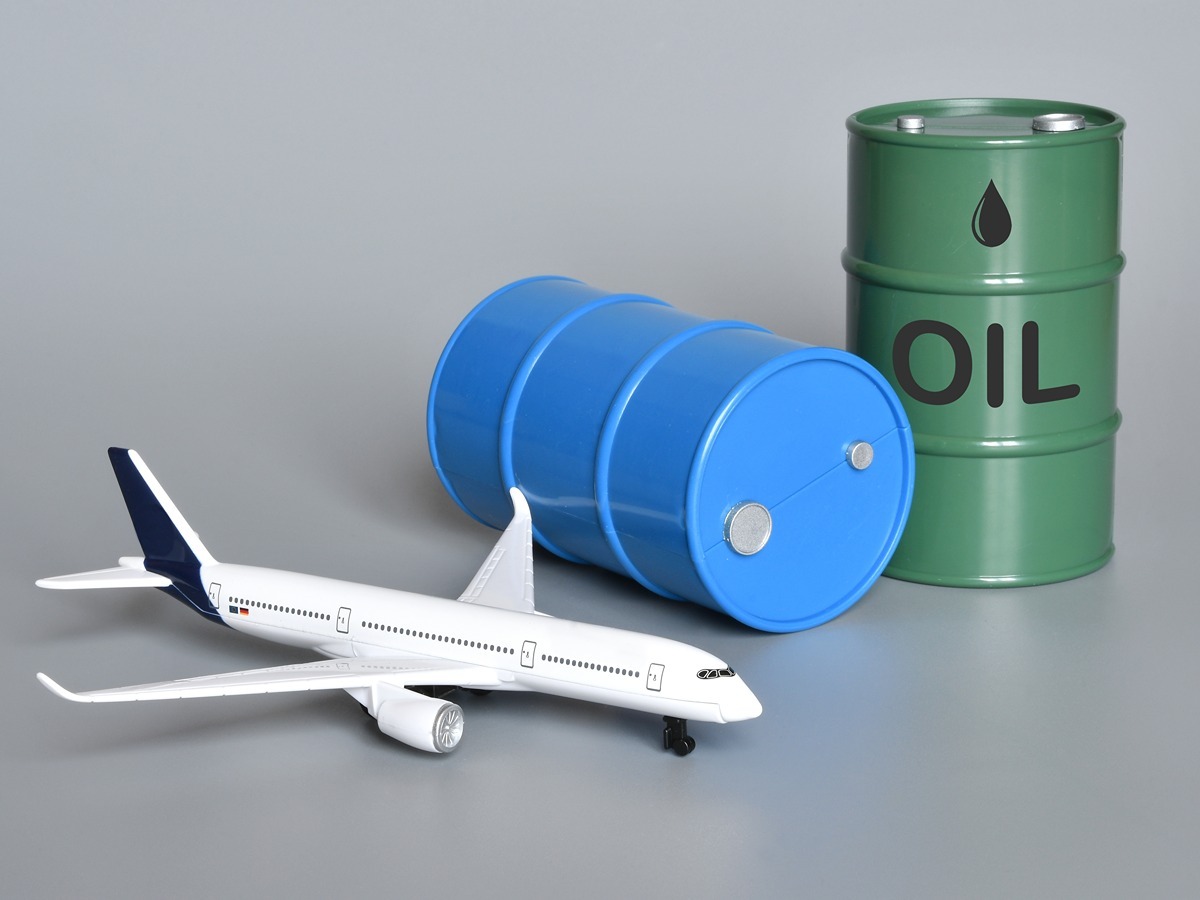
This article analyses the cascading effects of rising energy costs on Hong Kong's economy and trade, and recommends how the Government and the Hong Kong Tourism Board (HKTB) should flexibly reallocate resources to preserve Hong Kong's international competitive edge.
Energy Costs Double; Airlines Cut Flights and Raise Prices
Fuel typically accounts for around 30% of an airline's operating costs. According to Organization of the Petroleum Exporting Countries's April oil market report, the global ex-refinery price of jet fuel doubled in the month following the outbreak of conflict in Iran. The International Air Transport Association reported that the average global airline profit margin in 2025 was 3.9%. Even without factoring in rising insurance premiums and freight costs, the doubling of energy costs would turn profits into losses if fuel surcharges or fares were not raised — making price increases by airlines entirely understandable.
According to data from the Travel Industry Council of Hong Kong and Hong Kong International Airport, several airlines have continuously raised passenger and cargo fuel surcharges in March and April, but two notable phenomena have emerged.
First, budget airlines have cut proportionally more capacity than other carriers. Hong Kong Express cancelled approximately 6% of its passenger flights between 11 May and the end of June, whereas Cathay Pacific reduced only about 2% of its services over the same period. First, budget airlines have cut proportionally more capacity than other carriers. Hong Kong Express cancelled approximately 6% of its passenger flights between 11 May and the end of June, whereas Cathay Pacific reduced only about 2% of its services over the same period.
Second, passenger fuel surcharge increases have been lower than those for cargo. Since February, Cathay Pacific's fuel surcharges for both long-haul and short-haul passenger routes have risen by 174%, yet this is less than half the increase in cargo fuel surcharges (389% for long-haul and 364% for short-haul). The freight forwarding industry has called on the Government to improve transparency and intervene to regulate surcharge increases.
These two phenomena reflect the economic principle that "the lower the demand elasticity, the more pricing power shifts to the supply side." Since budget airlines' target customers are more price-sensitive, fuel surcharges will have a greater impact on demand for low-cost carriers. Airlines whose customers have a higher willingness to pay can sustain greater surcharge increases. For freight forwarders, shippers' orders are time-sensitive and contractually binding — failure to fulfil them would result in financial, legal, and reputational consequences. Airlines are therefore confident that substantial increases in shipping costs will not significantly reduce cargo demand.
In tourism, given travellers' price sensitivity, fuel surcharge increases will primarily affect budget airlines, short-haul routes, and markets highly dependent on fuel imports.
Price-Sensitive Short-Haul Asian Visitors at Risk of Decline
The authors forecast the impact of surcharge increases on Hong Kong's tourism industry based on flight duration and price sensitivity, with the latter measured by overnight visitors' average daily spending. The analysis found that markets with the lowest average daily spending and short-haul routes include Indonesia, Japan, India, Malaysia, the Philippines, and Thailand (see chart). According to HKTB data for 2025, overnight visitors from these markets contributed HK$17.77 billion in spending, of which the Philippines market alone accounted for HK$6.72 billion — the highest among all major markets. If fuel surcharges and capacity reductions lead to a 10% decline in visitors from these markets, the impact on Hong Kong's tourism revenue would exceed HK$1.7 billion.
Although Hong Kong airlines have seen growth in European routes — benefiting from route diversions and passengers' safety-driven choices — when fuel reserves and supply at other airports become strained, flights to and from Hong Kong may also be reduced or even cancelled, as airlines need to ensure sufficient and reasonably priced fuel supply as well as passenger demand for return journeys. Approximately 75% of Europe's aviation fuel imports come from the Middle East region. It is difficult to estimate how long the current situation of "outbound and return" flights to and from Hong Kong can be sustained.
Mid-Range Non-Essential Goods Hit Hardest; Sales Set to Fall
On the cargo front, price shocks and capacity adjustments primarily affect goods with lower unit values, high density, and available substitutes — including fresh meat. Although Hong Kong relies on imports for food ingredients, most are sourced from the Mainland and transported overland. The hardest-hit segment is unlikely to be high-end ingredients and restaurants, as customers have a high willingness to pay and the higher margins can absorb the impact. The most severe decline in sales is likely to be in moderately priced, non-essential products.
Take beef as an example: beef from Argentina and Brazil is not cheap, but it does not match the quality or price of Australian or Japanese wagyu. The fuel surcharge cost per unit weight of beef is the same, but the percentage price increase is greater for mid-range beef, making the impact more noticeable for consumers. For ordinary consumers, value for money is the priority; for wagyu enthusiasts, they will not sacrifice quality over price. Therefore, when affordable ingredients rely mainly on overland transport from the Mainland and high-end ingredients have buyers willing to "foot the bill," it is the mid-range market that bears the greatest impact.
The Iran conflict has cut off 20% of jet fuel supplied via maritime transport, leaving no airline or airport worldwide unscathed. Hong Kong deregulated passenger fuel surcharges in 2018, and only removed regulation of cargo fuel surcharges in early 2025. If the Government were to intervene now to manage surcharge increases, it would create an unfavourable impression of policy uncertainty in Hong Kong, undermining the city's standing as an international aviation hub.
On the other hand, the HKTB earlier indicated it would adjust its resource allocation, with 75% directed toward international markets. Given that the impact of the recent conflict on the aviation sector could become prolonged, the authors recommend that the HKTB flexibly reallocate resources, focusing promotional efforts on less price-sensitive visitor markets — such as South Korea, Singapore, Taiwan, Australia, Germany, and the United States — to offset potential declines in visitors from more price-sensitive markets.


The source text is in Chinese. This English version is for reference only. In case of any discrepancy between this English version and the Chinese version, the Chinese version shall prevail.
Turmoil in the Middle East has sent aviation fuel prices soaring. As an international aviation hub, Hong Kong is facing the twin challenges of capacity adjustments and the pass-through of energy costs. From budget airlines cutting flights to surcharges rising sharply, this "fuel crisis" is profoundly affecting Hong Kong's tourism revenue and consumer spending through varying degrees of price sensitivity among consumers.
This article analyses the cascading effects of rising energy costs on Hong Kong's economy and trade, and recommends how the Government and the Hong Kong Tourism Board (HKTB) should flexibly reallocate resources to preserve Hong Kong's international competitive edge.
Energy Costs Double; Airlines Cut Flights and Raise Prices
Fuel typically accounts for around 30% of an airline's operating costs. According to Organization of the Petroleum Exporting Countries's April oil market report, the global ex-refinery price of jet fuel doubled in the month following the outbreak of conflict in Iran. The International Air Transport Association reported that the average global airline profit margin in 2025 was 3.9%. Even without factoring in rising insurance premiums and freight costs, the doubling of energy costs would turn profits into losses if fuel surcharges or fares were not raised — making price increases by airlines entirely understandable.
According to data from the Travel Industry Council of Hong Kong and Hong Kong International Airport, several airlines have continuously raised passenger and cargo fuel surcharges in March and April, but two notable phenomena have emerged.
First, budget airlines have cut proportionally more capacity than other carriers. Hong Kong Express cancelled approximately 6% of its passenger flights between 11 May and the end of June, whereas Cathay Pacific reduced only about 2% of its services over the same period. First, budget airlines have cut proportionally more capacity than other carriers. Hong Kong Express cancelled approximately 6% of its passenger flights between 11 May and the end of June, whereas Cathay Pacific reduced only about 2% of its services over the same period.
Second, passenger fuel surcharge increases have been lower than those for cargo. Since February, Cathay Pacific's fuel surcharges for both long-haul and short-haul passenger routes have risen by 174%, yet this is less than half the increase in cargo fuel surcharges (389% for long-haul and 364% for short-haul). The freight forwarding industry has called on the Government to improve transparency and intervene to regulate surcharge increases.
These two phenomena reflect the economic principle that "the lower the demand elasticity, the more pricing power shifts to the supply side." Since budget airlines' target customers are more price-sensitive, fuel surcharges will have a greater impact on demand for low-cost carriers. Airlines whose customers have a higher willingness to pay can sustain greater surcharge increases. For freight forwarders, shippers' orders are time-sensitive and contractually binding — failure to fulfil them would result in financial, legal, and reputational consequences. Airlines are therefore confident that substantial increases in shipping costs will not significantly reduce cargo demand.
In tourism, given travellers' price sensitivity, fuel surcharge increases will primarily affect budget airlines, short-haul routes, and markets highly dependent on fuel imports.
Price-Sensitive Short-Haul Asian Visitors at Risk of Decline
The authors forecast the impact of surcharge increases on Hong Kong's tourism industry based on flight duration and price sensitivity, with the latter measured by overnight visitors' average daily spending. The analysis found that markets with the lowest average daily spending and short-haul routes include Indonesia, Japan, India, Malaysia, the Philippines, and Thailand (see chart). According to HKTB data for 2025, overnight visitors from these markets contributed HK$17.77 billion in spending, of which the Philippines market alone accounted for HK$6.72 billion — the highest among all major markets. If fuel surcharges and capacity reductions lead to a 10% decline in visitors from these markets, the impact on Hong Kong's tourism revenue would exceed HK$1.7 billion.
Although Hong Kong airlines have seen growth in European routes — benefiting from route diversions and passengers' safety-driven choices — when fuel reserves and supply at other airports become strained, flights to and from Hong Kong may also be reduced or even cancelled, as airlines need to ensure sufficient and reasonably priced fuel supply as well as passenger demand for return journeys. Approximately 75% of Europe's aviation fuel imports come from the Middle East region. It is difficult to estimate how long the current situation of "outbound and return" flights to and from Hong Kong can be sustained.
Mid-Range Non-Essential Goods Hit Hardest; Sales Set to Fall
On the cargo front, price shocks and capacity adjustments primarily affect goods with lower unit values, high density, and available substitutes — including fresh meat. Although Hong Kong relies on imports for food ingredients, most are sourced from the Mainland and transported overland. The hardest-hit segment is unlikely to be high-end ingredients and restaurants, as customers have a high willingness to pay and the higher margins can absorb the impact. The most severe decline in sales is likely to be in moderately priced, non-essential products.
Take beef as an example: beef from Argentina and Brazil is not cheap, but it does not match the quality or price of Australian or Japanese wagyu. The fuel surcharge cost per unit weight of beef is the same, but the percentage price increase is greater for mid-range beef, making the impact more noticeable for consumers. For ordinary consumers, value for money is the priority; for wagyu enthusiasts, they will not sacrifice quality over price. Therefore, when affordable ingredients rely mainly on overland transport from the Mainland and high-end ingredients have buyers willing to "foot the bill," it is the mid-range market that bears the greatest impact.
The Iran conflict has cut off 20% of jet fuel supplied via maritime transport, leaving no airline or airport worldwide unscathed. Hong Kong deregulated passenger fuel surcharges in 2018, and only removed regulation of cargo fuel surcharges in early 2025. If the Government were to intervene now to manage surcharge increases, it would create an unfavourable impression of policy uncertainty in Hong Kong, undermining the city's standing as an international aviation hub.
On the other hand, the HKTB earlier indicated it would adjust its resource allocation, with 75% directed toward international markets. Given that the impact of the recent conflict on the aviation sector could become prolonged, the authors recommend that the HKTB flexibly reallocate resources, focusing promotional efforts on less price-sensitive visitor markets — such as South Korea, Singapore, Taiwan, Australia, Germany, and the United States — to offset potential declines in visitors from more price-sensitive markets.