






OHKF Proposes Five Initiatives to Strengthen End-of-Life Care: Establishing a Medical-Social Collaboration Platform to Provide People-centred End-of-Life Care




OHKF Proposes Five Initiatives to Strengthen End-of-Life Care: Establishing a Medical-Social Collaboration Platform to Provide People-centred End-of-Life Care

[10 July 2025, Hong Kong] Our Hong Kong Foundation (OHKF) today released a policy research report titled Realising a Heartfelt Journey Through People-Centred End-of-Life Care. Conducted in strategic partnership with the China Merchants Foundation, the report proposes five key recommendations to improve Hong Kong’s End-of-Life Care policies, fostering a more comprehensive and people-centred approach to meet the diverse needs arising from Hong Kong’s ageing population.
As Hong Kong’s population rapidly ages, the urgency to improve End-of-Life Care is increasingly evident. The proportion of the population aged 65 and above is projected to rise from 23.6% in 2025 to 33.1% in 2045, with the share of those aged 85 and above increasing from 3.3% to 8.6%, marking the fastest-growing age group. This demographic shift necessitates comprehensive and empathetic care policies to address the needs of terminally ill patients in their final stages, enabling them to live with greater dignity.
The report highlights that End-of-Life Care should encompass holistic personal planning across all age groups, extending beyond medical care to psychological, social, and spiritual support, ensuring individuals receive person-centred care in their final stage of life.
Effective End-of-Life Care policies not only benefit patients and families but also alleviate significant service pressures on hospitals, where service utilisation surges in patients’ final months. With around 90% of Hong Kong residents prefer spending their final days in familiar environments, shifting care focus from hospitals to community settings would not only align with their preference, but also offering over HK$91,000 per patient for the healthcare system.
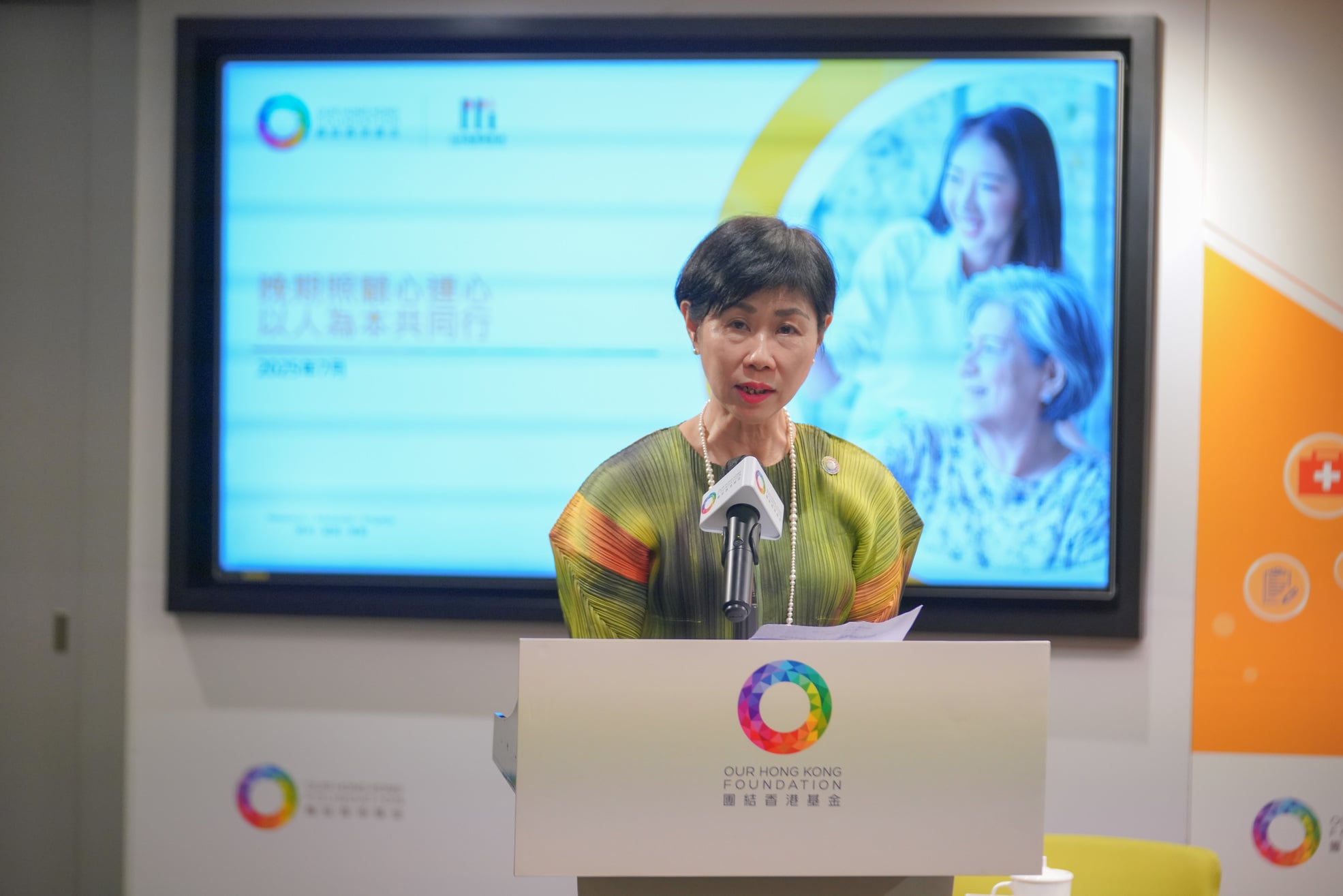
OHKF President Dr Jane Lee said “End-of-Life Care is more than just a component of healthcare; it is rather the protection of a patient’s dignity and quality of life. The recommendations in this report aim to establish a people-centred End-of-Life Care system through systemic reforms, ensuring patients receive compassionate and dignified support during their final stage of life.”
Five key recommendations OHKF puts forward to address End-of-Life Care needs:
1. Strengthen Advance Care Planning Development
OHKF recommends establishing a standardised framework for advance care planning (ACP) that actively involves family participation and align ACP objectives across healthcare and social services. The framework should clearly define the roles of professionals, while empowering nurses, social workers, and other non-medical personnel through specialized training, to faciliate discussions on ACP and End-of-Life Care. Additionally, Hong Kong should also establish an upload and sharing pathway for ACP via eHealth to enable real-time information exchange across institutions.
2. Improve Life and Death Education through a Three-Tier Educational Strategy
Life-and-death education is crucial for raising public awareness of End-of-Life Care. However, the current gaps in education and training hinder open discussions about death in the society, negatively impacts care planning and decision-making for terminally ill patients. OHKF suggests a three-tier educational approach targeting schools, communities, and professionals. Supported by an online lesson plan sharing platform, cross-sectoral public education programmes, and strengthened training at universities and professional institutions, such a comprehensive strategy will foster greater understanding and acceptance of death and dying, ultimately improving the quality of End-of-Life Care.
3. Facilitate Care Coordination via Medical-Social Collaboration Platform
End-of-Life Care services in Hong Kong is rather fragmented, posing significant challenges to patients, carers, and service providers alike. To address this, OHKF urges the Government to establish a centralised medical-social collaboration platform integrated with eHealth+. This platform would enable multi-sector input of information, including medical histories, ACP documents, individual care plans, and carer observations of patients’ daily lives, facilitating comprehensive cross-sector record sharing. Additionally, the platform should incorporate a medical and social care service database with referral capabilities. By leveraging AI and big data analytics, the platform can optimise resource allocation and foster data-driven policymaking, further enhancing service efficiency and quality.
4. Strategically Promote the Use of Gerontechnology
Gerontechnology offers innovative solutions to improve End-of-Life Care quality by meeting the diverse needs of patients and alleviating carer burden. However, its usage remains relatively low due to limited accessibility and acceptance. The Government should consider collaborating with one-stop gerontechnology service platforms to implement targeted promotion initiatives in hospitals and communities. For example, integrating gerontechnology promotion into hospital routine care can raise public awareness, enhance service accessibility, and improve usage, thereby improving care delivery and quality of life for both terminally ill patients and their carers. OHKF believes that these measures should transform the passive response model to a proactive identification system, enabling potential users to easily identify the products they need.
5. Facilitate Dying in Place by Enhancing Service and Administrative Processes
Allowing patients to spend their final stages of life in familiar and comfortable environments, such as their homes or elderly care homes, aligns with most patients’ wishes to maintain autonomy and dignity at the end of life. However, with an ageing population and an increasing number of terminally ill patients, community healthcare resources have become increasingly strained. In particular, there is a shortage of doctors who can provide continuous care and issue Medical Certificate of the Cause of Death, which significantly limits the options available to terminal patients.
The Government should establish a tiered service model to strengthen community End-of-Life Care, while enhancing primary care training, expanding palliative care networks, and maintaining updated directories of trained professionals. These measures will enable suitable terminal patients to remain in the community to receive care and support their preference of dying in place.
Furthermore, many patients who die in place cannot access public mortuary facilities for temporary body storage, forcing families to seek costly private funeral parlours for related services and creating financial burdens. To address this, the government should expand public mortuary services to support the growing demand for dying in place. At the same time, improvements to care home facilities, coupled with streamlining and digitalising death registration procedures will create enabling conditions for dying in place.
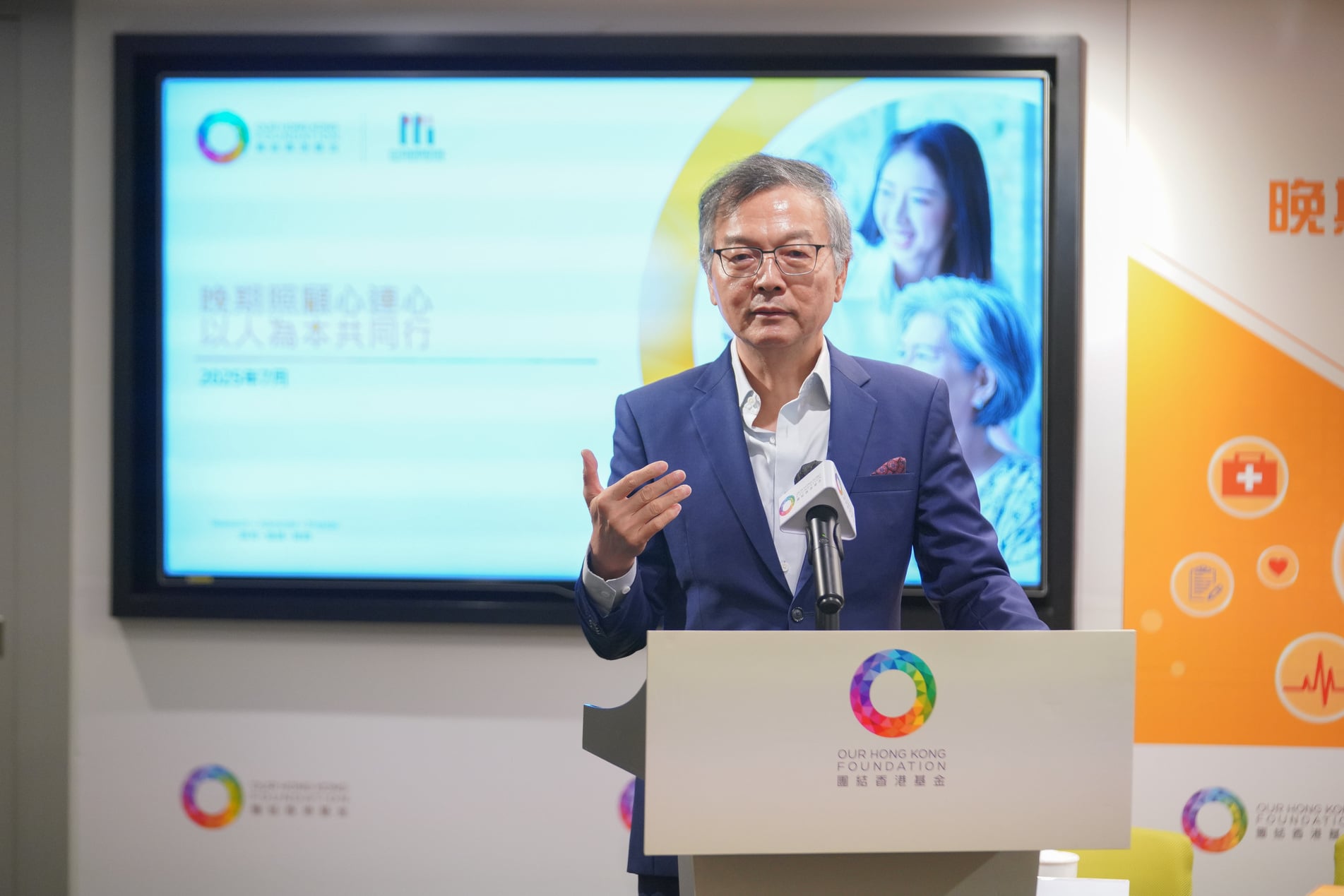
Non-Official Member of the Executive Council of the HKSAR Government Dr Lam Ching-choi said “With Hong Kong people living longer, the quality of life in old age and arrangements for End-of-Life Care should attract greater societal attention. The legislation and amendments last year have laid the foundation for End-of-Life Care development. Moving forward, close collaboration between medical and social sectors is essential for providing seamless care for terminally ill patients and their carers.”
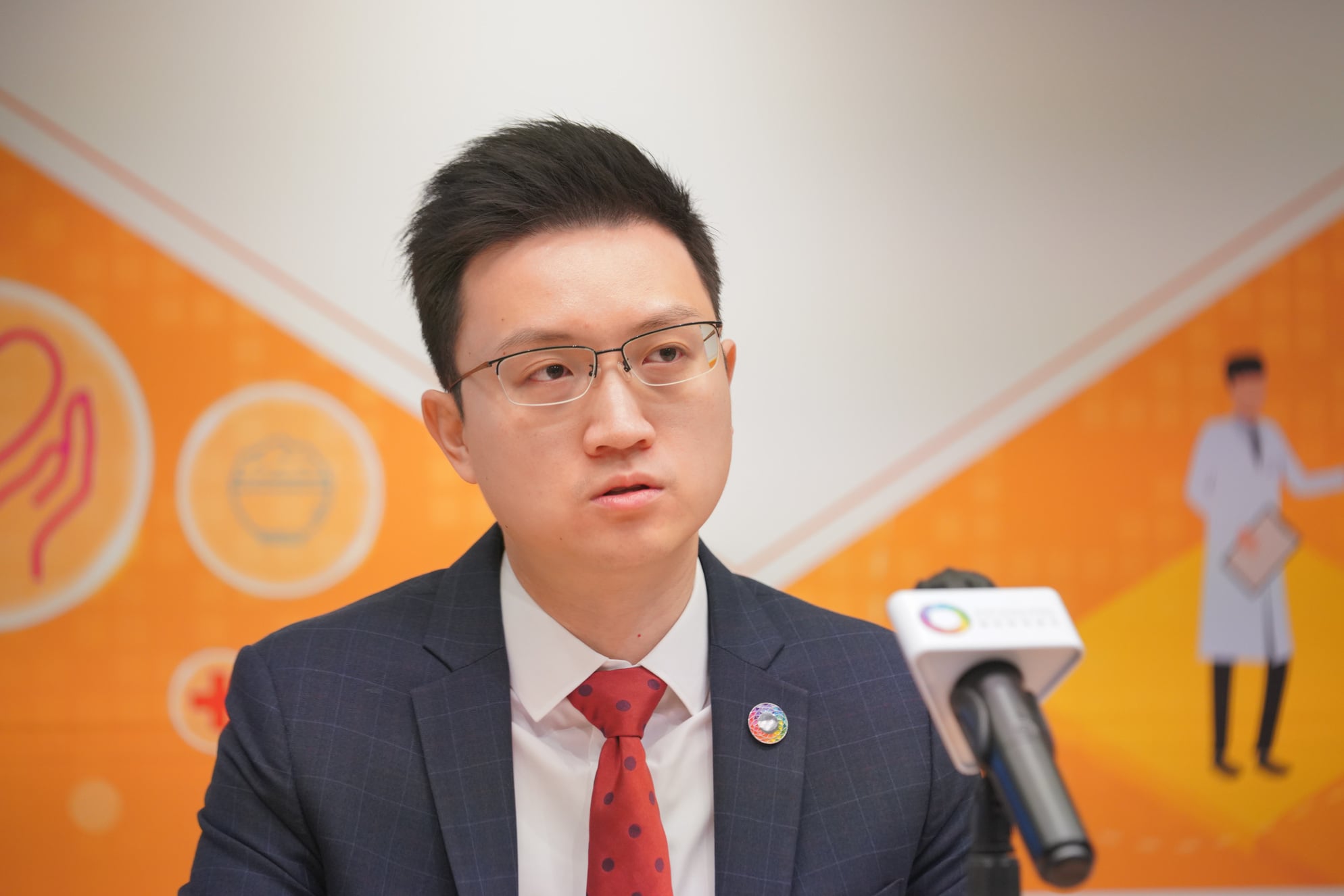
OHKF Vice President and Executive Director of Public Policy Institute Mr Ryan Ip remarked “Developing End-of-Life Care not only meets patient needs and alleviates carer burden, but also serves as a cost-effective policy measure. We anticipate that comprehensive End-of-Life Care services could save over HK$91,000 in medical expenses per patient, enhancing the efficiency in the use of public resources .”
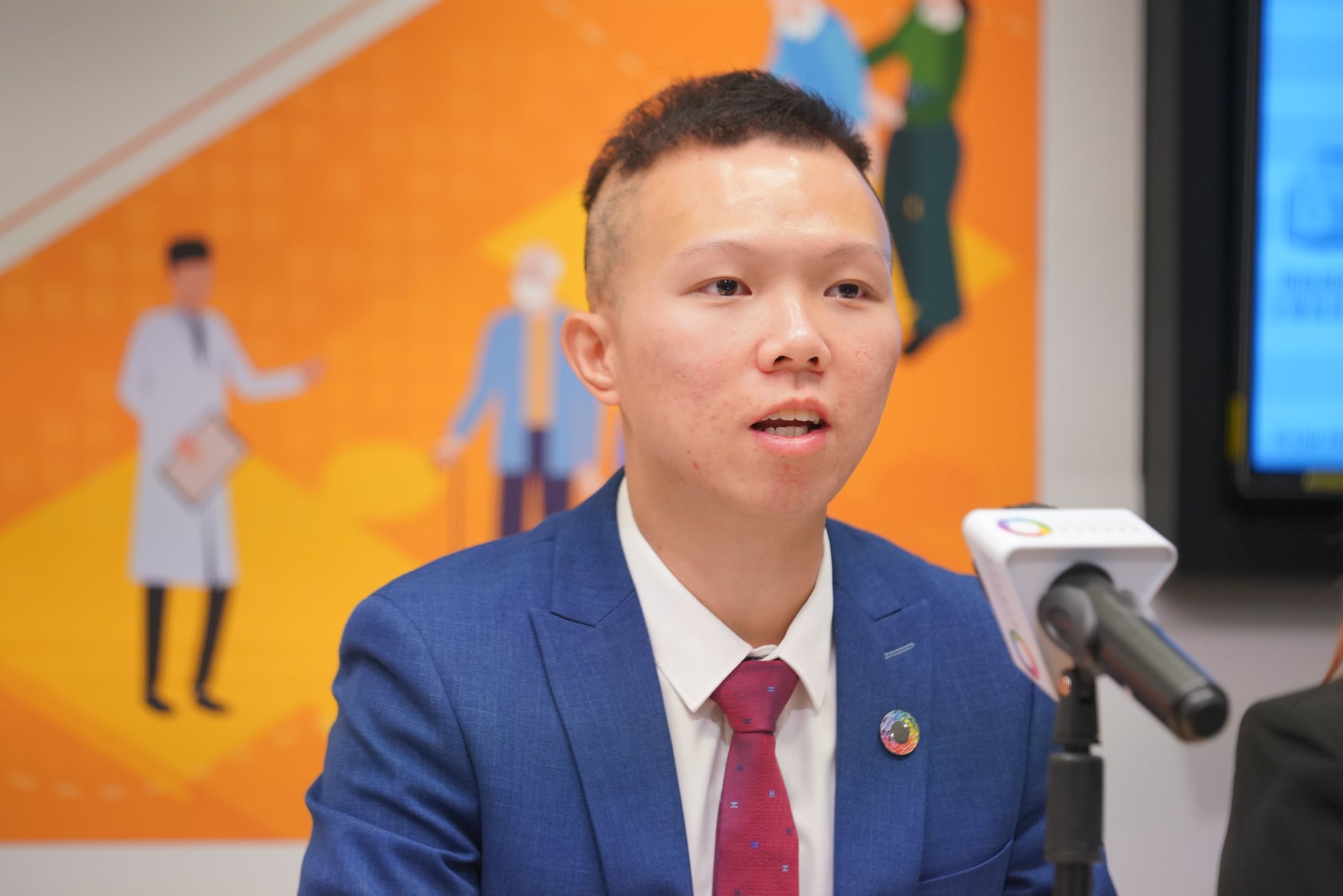
OHKF Head of Healthcare and Social Innovation Mr Dicky Chow suggested “The key to cross-sectoral coordination lies in establishing a unified information platform, strengthening data sharing and collaboration between medical and social services, and promoting a multidisciplinary approach to ensure seamless End-of-Life Care. Such measures will not only improve service efficiency but also safeguard patient rights and care quality.”
-
Realising a Heartfelt Journey Through People-Centred End-of-Life Care
Full Report: https://bit.ly/3Gu5vW8
PowerPoint Material: https://bit.ly/43EPO7b
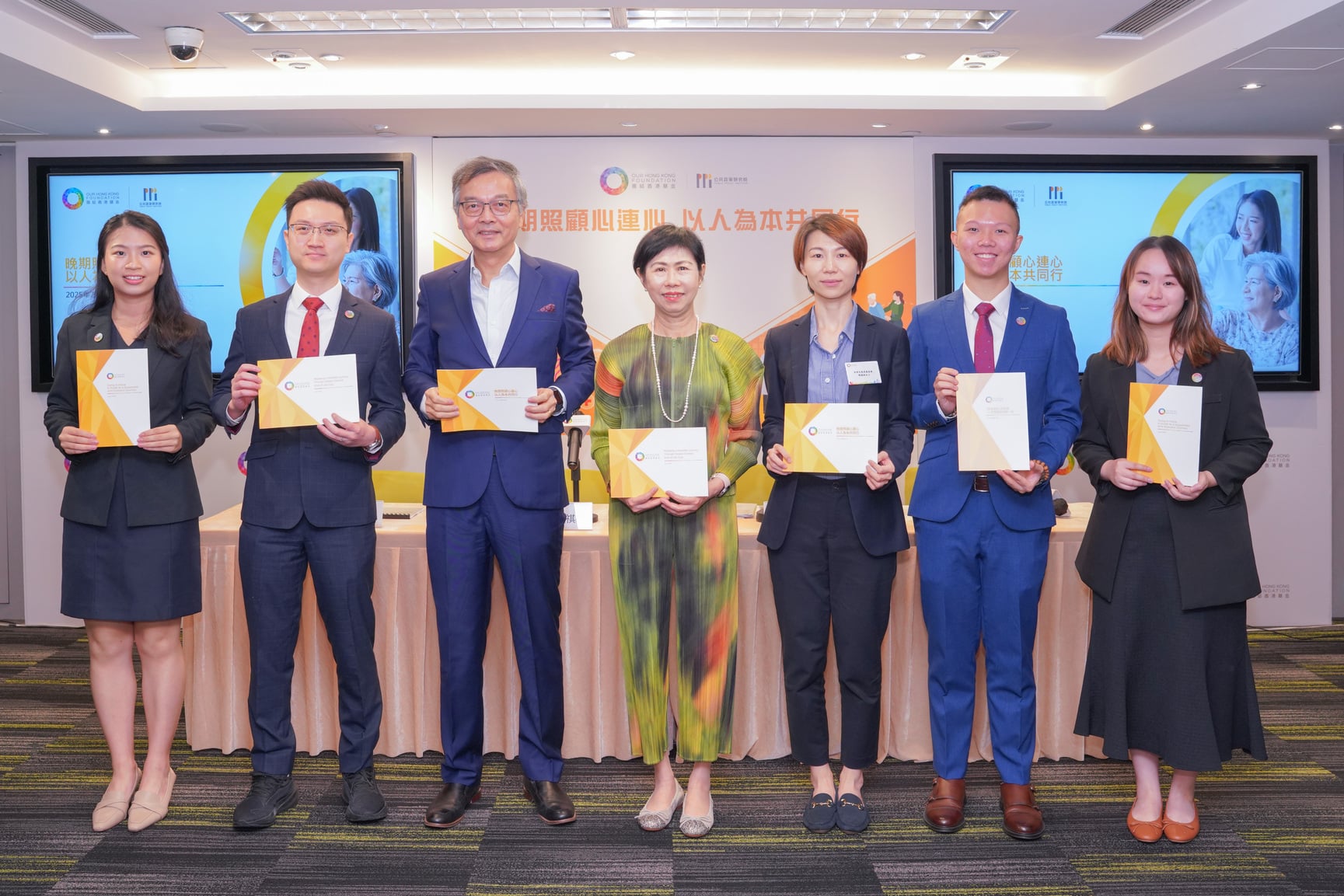
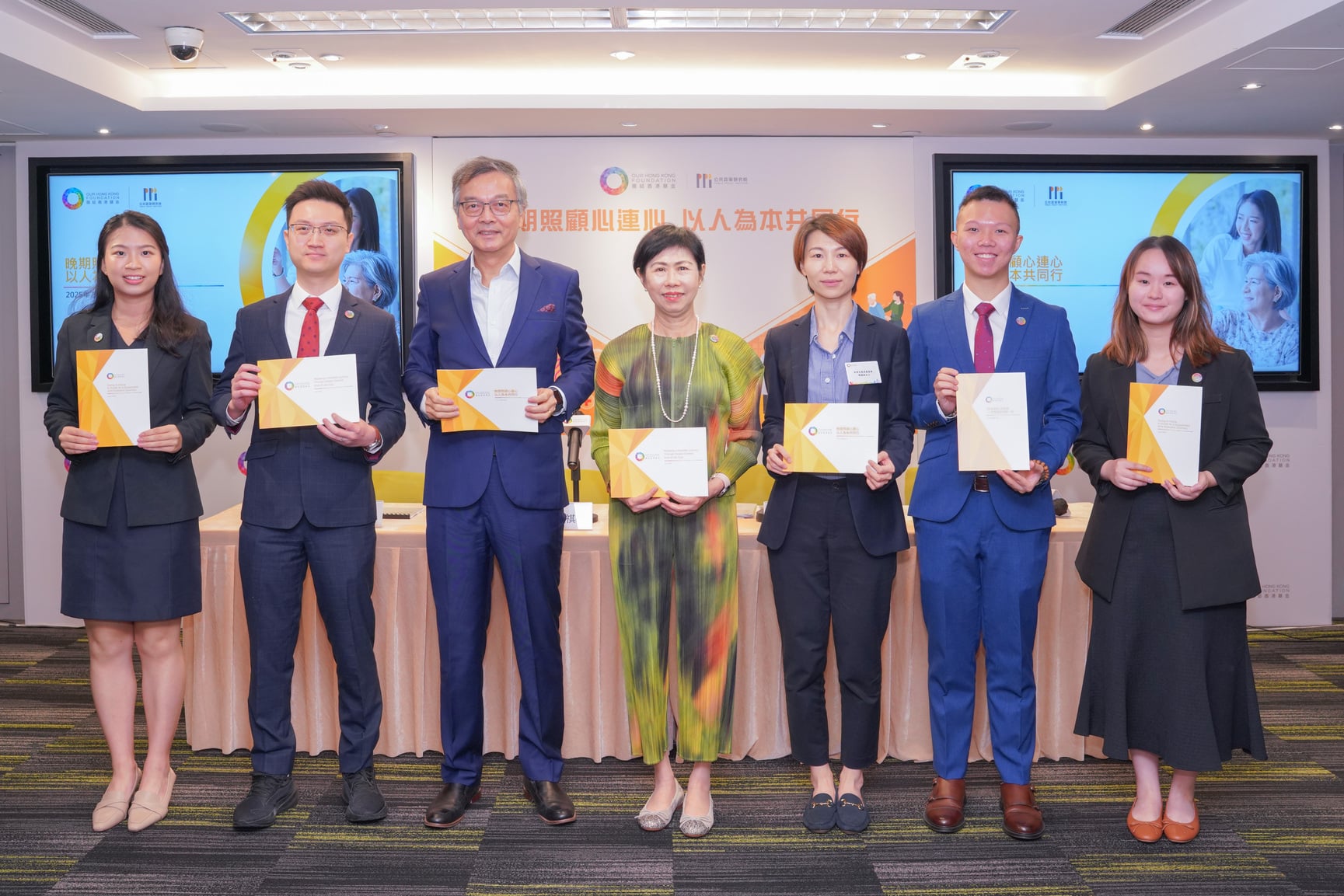
Group photo (from left to right): OHKF Researcher Ms Dorothy Yeung; OHKF Vice President and Executive Director of Public Policy Institute Mr Ryan Ip; Non-Official Member of the Executive Council of the HKSAR Government Dr Lam Ching-choi; OHKF President Dr Jane Lee; China Merchants Foundation Senior Supervisor Ms Ivy Deng; OHKF Head of Healthcare and Social Innovation Mr Dicky Chow; OHKF Researcher Ms Katherine Mok


[10 July 2025, Hong Kong] Our Hong Kong Foundation (OHKF) today released a policy research report titled Realising a Heartfelt Journey Through People-Centred End-of-Life Care. Conducted in strategic partnership with the China Merchants Foundation, the report proposes five key recommendations to improve Hong Kong’s End-of-Life Care policies, fostering a more comprehensive and people-centred approach to meet the diverse needs arising from Hong Kong’s ageing population.
As Hong Kong’s population rapidly ages, the urgency to improve End-of-Life Care is increasingly evident. The proportion of the population aged 65 and above is projected to rise from 23.6% in 2025 to 33.1% in 2045, with the share of those aged 85 and above increasing from 3.3% to 8.6%, marking the fastest-growing age group. This demographic shift necessitates comprehensive and empathetic care policies to address the needs of terminally ill patients in their final stages, enabling them to live with greater dignity.
The report highlights that End-of-Life Care should encompass holistic personal planning across all age groups, extending beyond medical care to psychological, social, and spiritual support, ensuring individuals receive person-centred care in their final stage of life.
Effective End-of-Life Care policies not only benefit patients and families but also alleviate significant service pressures on hospitals, where service utilisation surges in patients’ final months. With around 90% of Hong Kong residents prefer spending their final days in familiar environments, shifting care focus from hospitals to community settings would not only align with their preference, but also offering over HK$91,000 per patient for the healthcare system.
OHKF President Dr Jane Lee said “End-of-Life Care is more than just a component of healthcare; it is rather the protection of a patient’s dignity and quality of life. The recommendations in this report aim to establish a people-centred End-of-Life Care system through systemic reforms, ensuring patients receive compassionate and dignified support during their final stage of life.”
Five key recommendations OHKF puts forward to address End-of-Life Care needs:
1. Strengthen Advance Care Planning Development
OHKF recommends establishing a standardised framework for advance care planning (ACP) that actively involves family participation and align ACP objectives across healthcare and social services. The framework should clearly define the roles of professionals, while empowering nurses, social workers, and other non-medical personnel through specialized training, to faciliate discussions on ACP and End-of-Life Care. Additionally, Hong Kong should also establish an upload and sharing pathway for ACP via eHealth to enable real-time information exchange across institutions.
2. Improve Life and Death Education through a Three-Tier Educational Strategy
Life-and-death education is crucial for raising public awareness of End-of-Life Care. However, the current gaps in education and training hinder open discussions about death in the society, negatively impacts care planning and decision-making for terminally ill patients. OHKF suggests a three-tier educational approach targeting schools, communities, and professionals. Supported by an online lesson plan sharing platform, cross-sectoral public education programmes, and strengthened training at universities and professional institutions, such a comprehensive strategy will foster greater understanding and acceptance of death and dying, ultimately improving the quality of End-of-Life Care.
3. Facilitate Care Coordination via Medical-Social Collaboration Platform
End-of-Life Care services in Hong Kong is rather fragmented, posing significant challenges to patients, carers, and service providers alike. To address this, OHKF urges the Government to establish a centralised medical-social collaboration platform integrated with eHealth+. This platform would enable multi-sector input of information, including medical histories, ACP documents, individual care plans, and carer observations of patients’ daily lives, facilitating comprehensive cross-sector record sharing. Additionally, the platform should incorporate a medical and social care service database with referral capabilities. By leveraging AI and big data analytics, the platform can optimise resource allocation and foster data-driven policymaking, further enhancing service efficiency and quality.
4. Strategically Promote the Use of Gerontechnology
Gerontechnology offers innovative solutions to improve End-of-Life Care quality by meeting the diverse needs of patients and alleviating carer burden. However, its usage remains relatively low due to limited accessibility and acceptance. The Government should consider collaborating with one-stop gerontechnology service platforms to implement targeted promotion initiatives in hospitals and communities. For example, integrating gerontechnology promotion into hospital routine care can raise public awareness, enhance service accessibility, and improve usage, thereby improving care delivery and quality of life for both terminally ill patients and their carers. OHKF believes that these measures should transform the passive response model to a proactive identification system, enabling potential users to easily identify the products they need.
5. Facilitate Dying in Place by Enhancing Service and Administrative Processes
Allowing patients to spend their final stages of life in familiar and comfortable environments, such as their homes or elderly care homes, aligns with most patients’ wishes to maintain autonomy and dignity at the end of life. However, with an ageing population and an increasing number of terminally ill patients, community healthcare resources have become increasingly strained. In particular, there is a shortage of doctors who can provide continuous care and issue Medical Certificate of the Cause of Death, which significantly limits the options available to terminal patients.
The Government should establish a tiered service model to strengthen community End-of-Life Care, while enhancing primary care training, expanding palliative care networks, and maintaining updated directories of trained professionals. These measures will enable suitable terminal patients to remain in the community to receive care and support their preference of dying in place.
Furthermore, many patients who die in place cannot access public mortuary facilities for temporary body storage, forcing families to seek costly private funeral parlours for related services and creating financial burdens. To address this, the government should expand public mortuary services to support the growing demand for dying in place. At the same time, improvements to care home facilities, coupled with streamlining and digitalising death registration procedures will create enabling conditions for dying in place.
Non-Official Member of the Executive Council of the HKSAR Government Dr Lam Ching-choi said “With Hong Kong people living longer, the quality of life in old age and arrangements for End-of-Life Care should attract greater societal attention. The legislation and amendments last year have laid the foundation for End-of-Life Care development. Moving forward, close collaboration between medical and social sectors is essential for providing seamless care for terminally ill patients and their carers.”
OHKF Vice President and Executive Director of Public Policy Institute Mr Ryan Ip remarked “Developing End-of-Life Care not only meets patient needs and alleviates carer burden, but also serves as a cost-effective policy measure. We anticipate that comprehensive End-of-Life Care services could save over HK$91,000 in medical expenses per patient, enhancing the efficiency in the use of public resources .”
OHKF Head of Healthcare and Social Innovation Mr Dicky Chow suggested “The key to cross-sectoral coordination lies in establishing a unified information platform, strengthening data sharing and collaboration between medical and social services, and promoting a multidisciplinary approach to ensure seamless End-of-Life Care. Such measures will not only improve service efficiency but also safeguard patient rights and care quality.”
-
Realising a Heartfelt Journey Through People-Centred End-of-Life Care
Full Report: https://bit.ly/3Gu5vW8
PowerPoint Material: https://bit.ly/43EPO7b
Group photo (from left to right): OHKF Researcher Ms Dorothy Yeung; OHKF Vice President and Executive Director of Public Policy Institute Mr Ryan Ip; Non-Official Member of the Executive Council of the HKSAR Government Dr Lam Ching-choi; OHKF President Dr Jane Lee; China Merchants Foundation Senior Supervisor Ms Ivy Deng; OHKF Head of Healthcare and Social Innovation Mr Dicky Chow; OHKF Researcher Ms Katherine Mok