





Arts Innovation Research Series II — Celebrating the Inclusive Power of Arts




Arts Innovation Research Series II — Celebrating the Inclusive Power of Arts

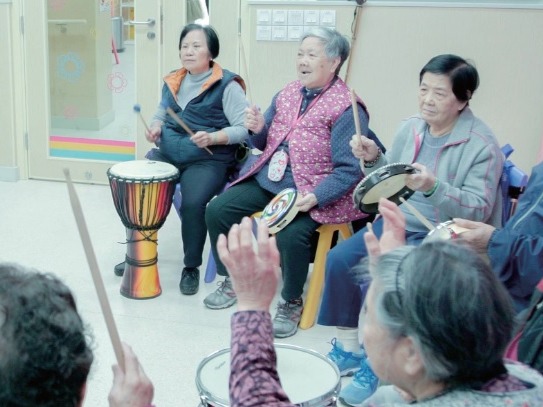
This report is a pioneering effort that acknowledges and calls attention to the inclusive power of arts in Hong Kong. We believe arts participation and creative engagement are particularly beneficial to the wellbeing of certain demographics, namely the elderly (including those with dementia), ex-offenders, at-risk youths, ethnic minorities, and the disabled (including those with attention deficit/hyperactivity disorder (AD/HD), autism spectrum disorder (ASD), and specific learning difficulties (SpLD)).
We propose for a more concerted government effort in making arts a solution for health and wellbeing when fostering a more inclusive society. We recommend the adoption of the arts more resourcefully to nurture a healthy, vibrant and inclusive community, through a more resourceful mobilisation of arts therapists in health and social welfare sectors to reinforce medical-social collaboration, a sustained funding mechanism for arts projects with demonstrable social impact, and an innovative concept of “social prescribing” that allows patients to better access arts therapy and other activities of creative engagement within the community.




This report is a pioneering effort that acknowledges and calls attention to the inclusive power of arts in Hong Kong. We believe arts participation and creative engagement are particularly beneficial to the wellbeing of certain demographics, namely the elderly (including those with dementia), ex-offenders, at-risk youths, ethnic minorities, and the disabled (including those with attention deficit/hyperactivity disorder (AD/HD), autism spectrum disorder (ASD), and specific learning difficulties (SpLD)).
We propose for a more concerted government effort in making arts a solution for health and wellbeing when fostering a more inclusive society. We recommend the adoption of the arts more resourcefully to nurture a healthy, vibrant and inclusive community, through a more resourceful mobilisation of arts therapists in health and social welfare sectors to reinforce medical-social collaboration, a sustained funding mechanism for arts projects with demonstrable social impact, and an innovative concept of “social prescribing” that allows patients to better access arts therapy and other activities of creative engagement within the community.