







Easing Housing and Medical Concerns to Tap into the Over HKD 700-Billion Silver Market




Easing Housing and Medical Concerns to Tap into the Over HKD 700-Billion Silver Market

The source text is in Chinese. This English version is for reference only. In case of any discrepancy between this English version and the Chinese version, the Chinese version shall prevail.
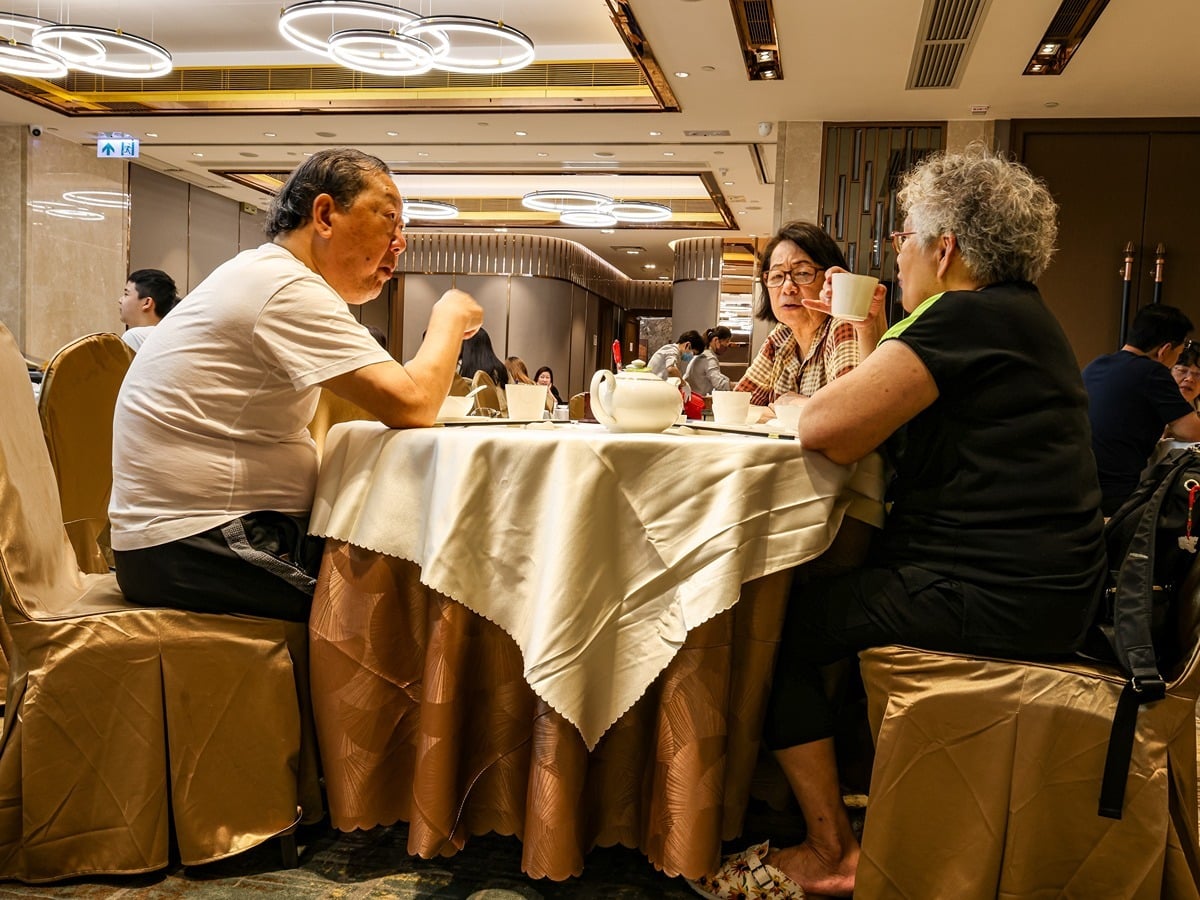
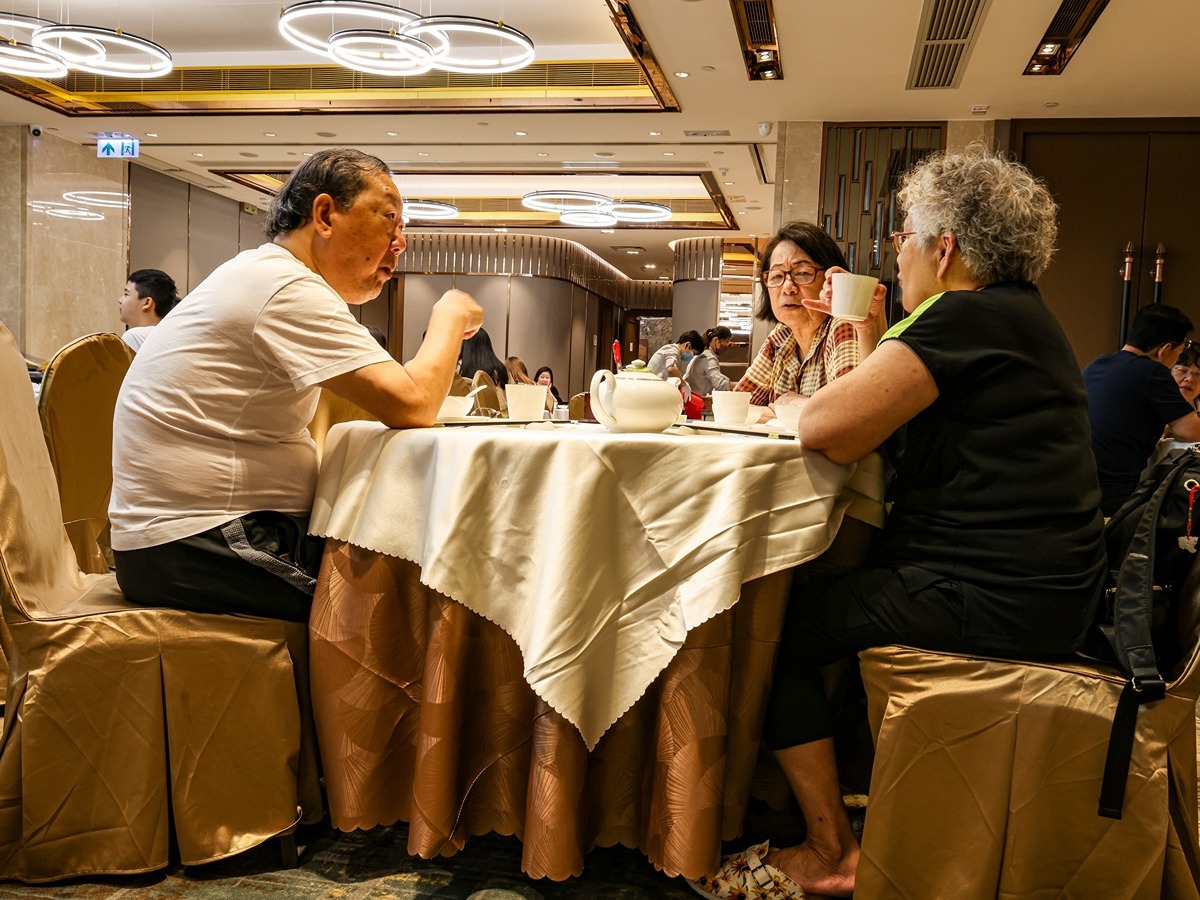
The demographic transformation of Hong Kong is creating a vast economic blue ocean with tremendous potential. Based on government data, Our Hong Kong Foundation projects that the annual consumption expenditure of Hong Kong's senior population may double within 20 years, reaching nearly HKD 750 billion by 2046. However, unlocking this market requires more than random age-friendly measures. A comprehensive system linking “housing–protection–consumption” is essential to enable seniors to live healthily and comfortably, thereby unleashing their purchasing power and encouraging them to “want to spend” and “dare to spend.”
A quality living environment is fundamental for seniors to maintain their health, vitality, and independence, and is also a prerequisite for encouraging their willingness to spend. However, a survey by the Jockey Club has revealed that, of the eight domains of "Age-Friendly Cities" promoted by the World Health Organization, Hong Kong seniors rated "housing" relatively low. To address this issue, the Government should adopt a "three-step" strategy to fundamentally improve the living conditions.
Improving Age-Friendly Living Conditions to Increase Spending Willingness
Firstly, the implementation of standards must be expedited. The Government has announced plans to introduce elder-friendly building design and an Elder-friendly Building accreditation scheme. These measures should be implemented promptly and widely promoted.
Secondly, execution incentives must be strengthened. Industry participation is crucial for these standards to be adopted. Drawing inspiration from California in the United States, the Government could establish a tiered incentive system to ensure that the benefits and rewards received by development projects are commensurate with their performance levels on age-friendly building design. For instance, a gross floor area exemption additional plot ratio allowances can be granted to incentivise the adoption.
Thirdly, a long-term mechanism should be established by taking the UK's Lifetime Homes Standards as a reference, which emphasise home design standards that accommodate a wide range of needs. In addition, reviews and updates should be carried out regularly to ensure the standards remain relevant.
Addressing Financial Concerns to Empower Seniors Spending
A liveable environment alone is insufficient to unlock the silver-haired market. The lack of explosive growth may be due to seniors’ uncertainty over future medical and care costs, making them reluctant to spend. Therefore, a robust financial protection system is key to driving growth in the silver economy.
International experience offers valuable insights. For instance, Japan established a government-led long-term care insurance system to alleviate the financial burden of elderly care, freeing up spending power among the seniors. This has sparked the growth of a substantial silver industry, with various sectors developing the silver market. Retailers such as AEON have opened “one-stop elderly malls”, offering services such as health check-ups, cafés, bookstores, and exercise classes to meet seniors’ needs. Meanwhile, technology companies have developed gerontechnology products that provide comprehensive care for the elderly.
Both the Government and the private sector must recognise that "security" is the foundation of the silver economy. Only by providing seniors with predictable financial security through diverse policies and products will they feel confident enough for spending that improves their quality of life.
Deploying Upgrades and Transformations Early on to Holistically Develop Silver Economy
At present, age-friendliness is not a primary focus for Hong Kong’s retail industry. Research by Hong Kong Polytechnic University has indicated that satisfaction with age-friendly measures in shopping malls is below 25%. Additionally, a 2024 study by the Hong Kong Society for Rehabilitation has revealed that over half of the surveyed shopping malls failed to meet the basic accessibility standards set out in the Design Manual: Barrier Free Access 2008. These findings imply that the market has yet to recognise the economic benefits of catering to retired seniors with strong purchasing power.
Once the "housing" and "security" needs of seniors have been met, their "spending" will become a key driver for various industries. Therefore, it is recommended that the local retail sector take action in advance by accelerating upgrades to software and hardware creating a more inclusive and age-friendly consumer experience that caters for all age groups.
In summary, developing the silver economy is not merely about market promotion, but also a deeper societal project. "Housing", "security", and "spending" are intertwined. The Government must adopt a broader policy vision that simultaneously builds an age-friendly environment while strengthening care and financial protections for seniors. Only then will we empower the seniors to actively engage in economic activities, which will transform the challenge of an ageing population into a new opportunity to drive Hong Kong's future economic development.


The source text is in Chinese. This English version is for reference only. In case of any discrepancy between this English version and the Chinese version, the Chinese version shall prevail.
The demographic transformation of Hong Kong is creating a vast economic blue ocean with tremendous potential. Based on government data, Our Hong Kong Foundation projects that the annual consumption expenditure of Hong Kong's senior population may double within 20 years, reaching nearly HKD 750 billion by 2046. However, unlocking this market requires more than random age-friendly measures. A comprehensive system linking “housing–protection–consumption” is essential to enable seniors to live healthily and comfortably, thereby unleashing their purchasing power and encouraging them to “want to spend” and “dare to spend.”
A quality living environment is fundamental for seniors to maintain their health, vitality, and independence, and is also a prerequisite for encouraging their willingness to spend. However, a survey by the Jockey Club has revealed that, of the eight domains of "Age-Friendly Cities" promoted by the World Health Organization, Hong Kong seniors rated "housing" relatively low. To address this issue, the Government should adopt a "three-step" strategy to fundamentally improve the living conditions.
Improving Age-Friendly Living Conditions to Increase Spending Willingness
Firstly, the implementation of standards must be expedited. The Government has announced plans to introduce elder-friendly building design and an Elder-friendly Building accreditation scheme. These measures should be implemented promptly and widely promoted.
Secondly, execution incentives must be strengthened. Industry participation is crucial for these standards to be adopted. Drawing inspiration from California in the United States, the Government could establish a tiered incentive system to ensure that the benefits and rewards received by development projects are commensurate with their performance levels on age-friendly building design. For instance, a gross floor area exemption additional plot ratio allowances can be granted to incentivise the adoption.
Thirdly, a long-term mechanism should be established by taking the UK's Lifetime Homes Standards as a reference, which emphasise home design standards that accommodate a wide range of needs. In addition, reviews and updates should be carried out regularly to ensure the standards remain relevant.
Addressing Financial Concerns to Empower Seniors Spending
A liveable environment alone is insufficient to unlock the silver-haired market. The lack of explosive growth may be due to seniors’ uncertainty over future medical and care costs, making them reluctant to spend. Therefore, a robust financial protection system is key to driving growth in the silver economy.
International experience offers valuable insights. For instance, Japan established a government-led long-term care insurance system to alleviate the financial burden of elderly care, freeing up spending power among the seniors. This has sparked the growth of a substantial silver industry, with various sectors developing the silver market. Retailers such as AEON have opened “one-stop elderly malls”, offering services such as health check-ups, cafés, bookstores, and exercise classes to meet seniors’ needs. Meanwhile, technology companies have developed gerontechnology products that provide comprehensive care for the elderly.
Both the Government and the private sector must recognise that "security" is the foundation of the silver economy. Only by providing seniors with predictable financial security through diverse policies and products will they feel confident enough for spending that improves their quality of life.
Deploying Upgrades and Transformations Early on to Holistically Develop Silver Economy
At present, age-friendliness is not a primary focus for Hong Kong’s retail industry. Research by Hong Kong Polytechnic University has indicated that satisfaction with age-friendly measures in shopping malls is below 25%. Additionally, a 2024 study by the Hong Kong Society for Rehabilitation has revealed that over half of the surveyed shopping malls failed to meet the basic accessibility standards set out in the Design Manual: Barrier Free Access 2008. These findings imply that the market has yet to recognise the economic benefits of catering to retired seniors with strong purchasing power.
Once the "housing" and "security" needs of seniors have been met, their "spending" will become a key driver for various industries. Therefore, it is recommended that the local retail sector take action in advance by accelerating upgrades to software and hardware creating a more inclusive and age-friendly consumer experience that caters for all age groups.
In summary, developing the silver economy is not merely about market promotion, but also a deeper societal project. "Housing", "security", and "spending" are intertwined. The Government must adopt a broader policy vision that simultaneously builds an age-friendly environment while strengthening care and financial protections for seniors. Only then will we empower the seniors to actively engage in economic activities, which will transform the challenge of an ageing population into a new opportunity to drive Hong Kong's future economic development.