






Let city shine as hotbed of culture and visitors will come




Let city shine as hotbed of culture and visitors will come

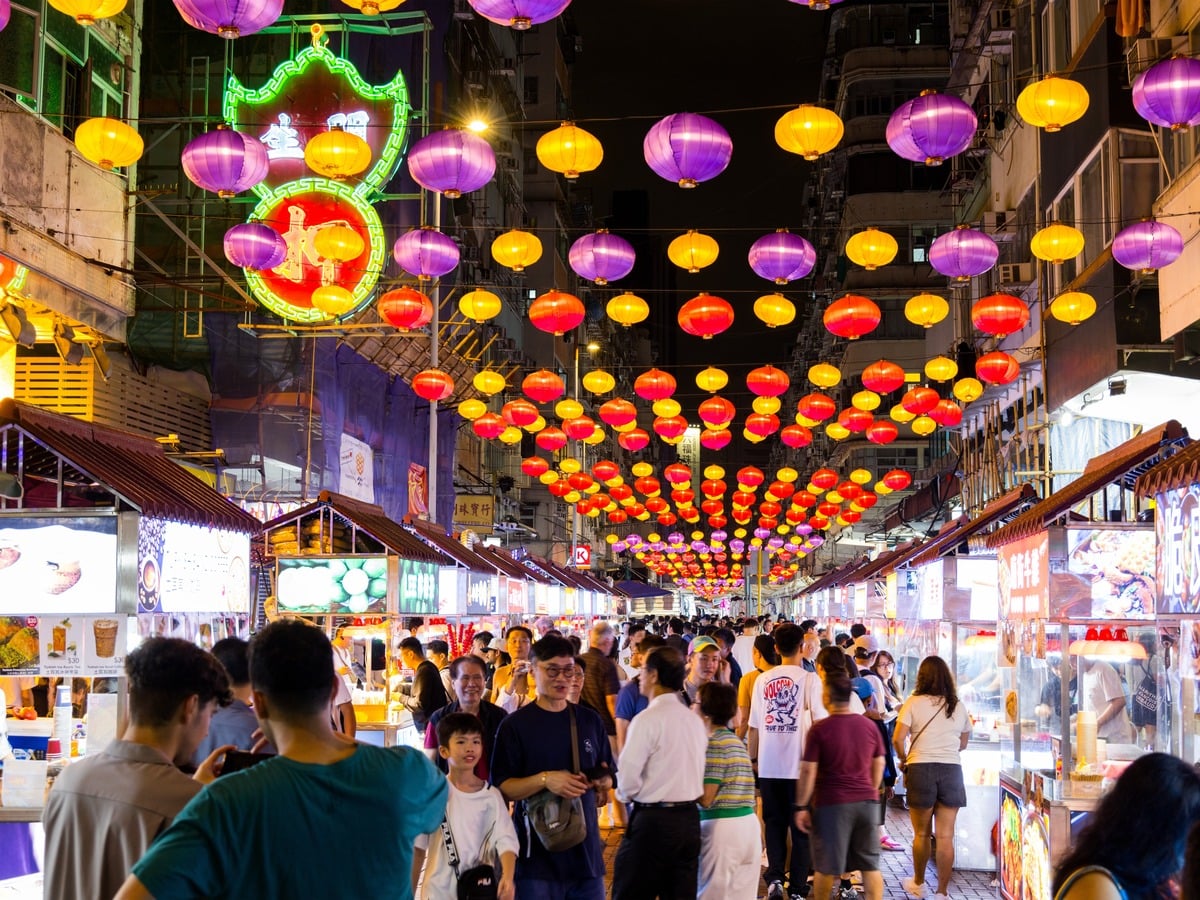
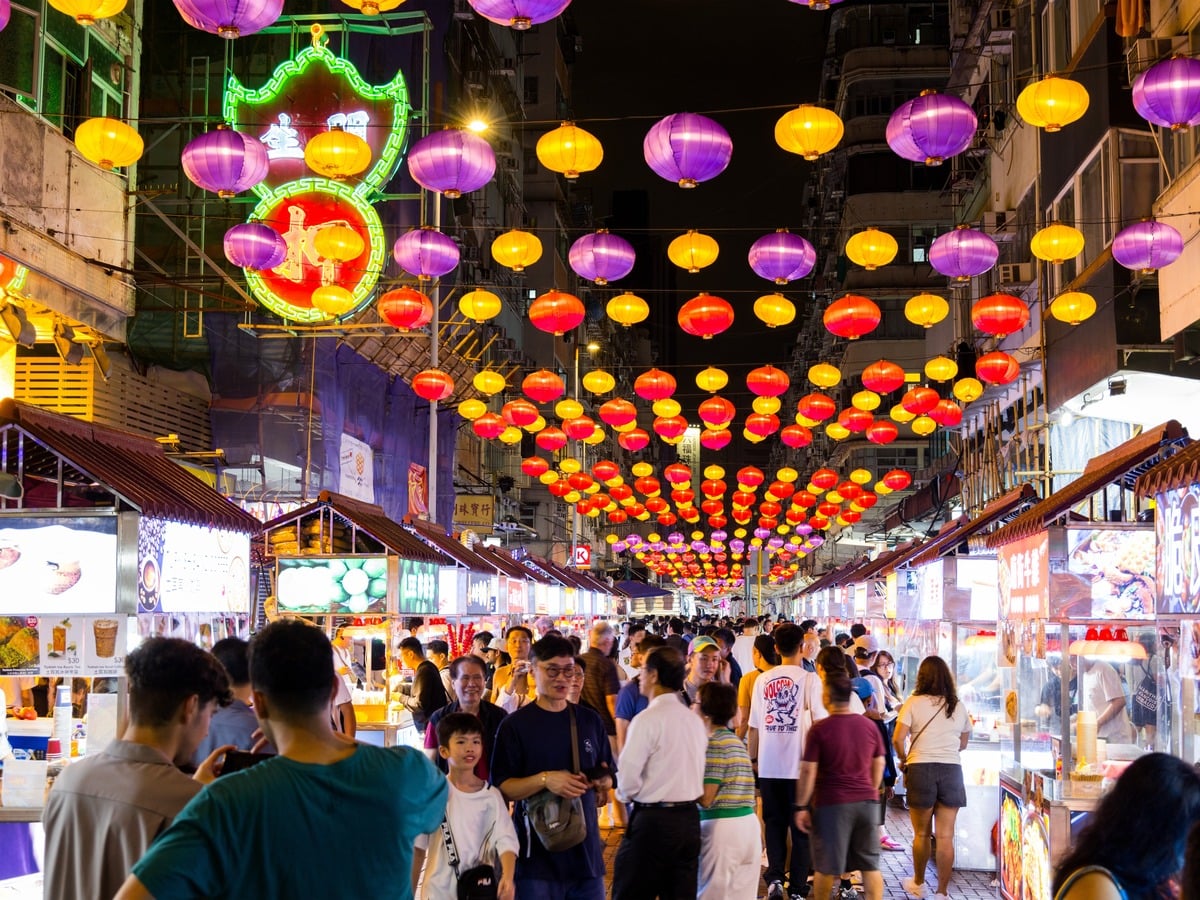
To truly revive tourism in Hong Kong, we must look beyond our stunning skyline and one-off events. It’s imperative that we shift our focus towards crafting authentic “Hong Kong” experiences which encapsulate the essence of our city.
The recently released blueprint for Hong Kong’s tourism industry sets the stage for the government’s commitment to building a brand of diverse cultural offerings, including traditional heritage, pop culture, performing arts and more. This is a vital step in the right direction.
One of the most successful cultural brands today is hallyu, or the “Korean wave”, which offers invaluable lessons for Hong Kong. As of 2023, the global number of hallyu fans reached an impressive 225 million, according to a Korea Foundation report. A 2023 survey revealed that more than 30 per cent of respondents said hallyu content was the biggest reason they travelled to Korea. This success story has expanded from audiovisual content to encompass Korean food, fashion, beauty and lifestyle. In contrast, Hong Kong is rich in underutilised cultural treasures just waiting to be explored by tourists.
Our cinematic heritage is one of our strongest assets and deserves greater promotion. During the golden age of Hong Kong cinema in the 1980s and 90s, the city was the second-largest film exporter after the United States. Globally recognised figures such as Jackie Chan, Tony Leung Chiu-wai, Wong Kar-wai and Tsui Hark have left an indelible mark on the film industry.
Most recently, the film The Last Dance became the highest-grossing local film in Hong Kong’s history, amassing more than HK$142 million (US$18.2 million) by the end of 2024. Revealing the intricacies behind Taoist funeral rituals, it offers global audiences a unique glimpse of Hong Kong’s intangible heritage, an aspect of our culture that merits more attention and discussion.
South Korea’s proactive strategy in exporting its films serves as a valuable model for Hong Kong’s ambitions. With 35 cultural centres established globally, it has effectively positioned itself as a leader in promoting its vibrant cultural content. Notably, the Korean Cultural Centre in PMQ has curated 30 Korean films for free public screenings since 2022, fostering local appreciation.
Take the 2019 Oscar-winning film Parasite, for instance. The Korean government has promoted its filming locations with travel guides, while local travel agencies offered English-speaking tours. The film’s impact and continuing appeal show South Korea’s ability to engage global audiences over the long term.
Meanwhile, Hong Kong is catching up in this area, with cinematic tourism being a focus of the Tourism Board this year. The launch of the docufilm Hong Kong Classics Reimagined, which premiered at Cannes and M+, along with a tailored travel guide, is a commendable effort to pay tribute to our cinematic classics and showcase our commitment to promoting our film heritage.
Another stand-out film from last year, Twilight of the Warriors: Walled In, has propelled the city’s ambitions in cinematic tourism. The film’s success at the 2024 Cannes Film Festival, receiving a 10-minute standing ovation, showcases global support for Hong Kong cinema.
The government has moved to capitalise on this success by creating an immersive exhibition of the movie’s most captivating scenes at the Hong Kong airport. With the growing demand for location-based entertainment, could Kowloon Walled City Park be transformed into a vibrant attraction, perhaps featuring interactive installations, immersive dining experiences or even martial arts workshops?
Additionally, Hong Kong’s horse-racing culture is another home-grown gem which should be fully leveraged for tourism. Hong Kong is one of the few places in Asia where horse racing still thrives. While other regions have seen a decline in horse racing – as evident in the final races at Singapore’s Kranji Racecourse and Macau’s Taipa Racecourse last year – Hong Kong’s horse-racing culture remains robust. The 2024 flagship event, the Hong Kong Longines International Races, attracted 80,691 spectators between the Sha Tin and Happy Valley racecourses, marking the highest turnout since 2018.
Apart from promoting dazzling events, emphasising the historical significance of horse racing is vital, especially for tourists seeking meaningful travel experiences. Occurring weekly from September to July and featuring live music and entertainment, it serves as a powerful symbol of stability, prosperity and the city’s vibrant spirit through changing times.
In the 1980s, Deng Xiaoping affirmed Hong Kong’s unique characteristics when he said “horses will still run” after the handover. To distinguish Hong Kong from tourism competitors, we must leverage horse racing to tell a compelling story of our cultural roots. The Hong Kong Ballet’s inclusion of racing jockeys in its adaptation of The Nutcracker serves as a remarkable example.
The artistic representation underscores horse racing’s iconic status, placing it on par with beloved symbols such as Victoria Peak, lion dances and bauhinias. Integrating horse racing in the tourism blueprint is a crucial step that will encourage the trade to develop experiences that position horse races as a must-visit attraction.
By tapping into our rich cultural heritage, we can create a brand of authentic experiences that resonate with both residents and visitors. As we draw inspiration from successful cultural brands such as hallyu, we must actively craft engaging narratives that truly showcase what makes Hong Kong special.
If we do not showcase Hong Kong’s cultural heritage with the same passion as South Korea does for its own cultural exports, we risk fading into obscurity in an increasingly competitive tourism market.


To truly revive tourism in Hong Kong, we must look beyond our stunning skyline and one-off events. It’s imperative that we shift our focus towards crafting authentic “Hong Kong” experiences which encapsulate the essence of our city.
The recently released blueprint for Hong Kong’s tourism industry sets the stage for the government’s commitment to building a brand of diverse cultural offerings, including traditional heritage, pop culture, performing arts and more. This is a vital step in the right direction.
One of the most successful cultural brands today is hallyu, or the “Korean wave”, which offers invaluable lessons for Hong Kong. As of 2023, the global number of hallyu fans reached an impressive 225 million, according to a Korea Foundation report. A 2023 survey revealed that more than 30 per cent of respondents said hallyu content was the biggest reason they travelled to Korea. This success story has expanded from audiovisual content to encompass Korean food, fashion, beauty and lifestyle. In contrast, Hong Kong is rich in underutilised cultural treasures just waiting to be explored by tourists.
Our cinematic heritage is one of our strongest assets and deserves greater promotion. During the golden age of Hong Kong cinema in the 1980s and 90s, the city was the second-largest film exporter after the United States. Globally recognised figures such as Jackie Chan, Tony Leung Chiu-wai, Wong Kar-wai and Tsui Hark have left an indelible mark on the film industry.
Most recently, the film The Last Dance became the highest-grossing local film in Hong Kong’s history, amassing more than HK$142 million (US$18.2 million) by the end of 2024. Revealing the intricacies behind Taoist funeral rituals, it offers global audiences a unique glimpse of Hong Kong’s intangible heritage, an aspect of our culture that merits more attention and discussion.
South Korea’s proactive strategy in exporting its films serves as a valuable model for Hong Kong’s ambitions. With 35 cultural centres established globally, it has effectively positioned itself as a leader in promoting its vibrant cultural content. Notably, the Korean Cultural Centre in PMQ has curated 30 Korean films for free public screenings since 2022, fostering local appreciation.
Take the 2019 Oscar-winning film Parasite, for instance. The Korean government has promoted its filming locations with travel guides, while local travel agencies offered English-speaking tours. The film’s impact and continuing appeal show South Korea’s ability to engage global audiences over the long term.
Meanwhile, Hong Kong is catching up in this area, with cinematic tourism being a focus of the Tourism Board this year. The launch of the docufilm Hong Kong Classics Reimagined, which premiered at Cannes and M+, along with a tailored travel guide, is a commendable effort to pay tribute to our cinematic classics and showcase our commitment to promoting our film heritage.
Another stand-out film from last year, Twilight of the Warriors: Walled In, has propelled the city’s ambitions in cinematic tourism. The film’s success at the 2024 Cannes Film Festival, receiving a 10-minute standing ovation, showcases global support for Hong Kong cinema.
The government has moved to capitalise on this success by creating an immersive exhibition of the movie’s most captivating scenes at the Hong Kong airport. With the growing demand for location-based entertainment, could Kowloon Walled City Park be transformed into a vibrant attraction, perhaps featuring interactive installations, immersive dining experiences or even martial arts workshops?
Additionally, Hong Kong’s horse-racing culture is another home-grown gem which should be fully leveraged for tourism. Hong Kong is one of the few places in Asia where horse racing still thrives. While other regions have seen a decline in horse racing – as evident in the final races at Singapore’s Kranji Racecourse and Macau’s Taipa Racecourse last year – Hong Kong’s horse-racing culture remains robust. The 2024 flagship event, the Hong Kong Longines International Races, attracted 80,691 spectators between the Sha Tin and Happy Valley racecourses, marking the highest turnout since 2018.
Apart from promoting dazzling events, emphasising the historical significance of horse racing is vital, especially for tourists seeking meaningful travel experiences. Occurring weekly from September to July and featuring live music and entertainment, it serves as a powerful symbol of stability, prosperity and the city’s vibrant spirit through changing times.
In the 1980s, Deng Xiaoping affirmed Hong Kong’s unique characteristics when he said “horses will still run” after the handover. To distinguish Hong Kong from tourism competitors, we must leverage horse racing to tell a compelling story of our cultural roots. The Hong Kong Ballet’s inclusion of racing jockeys in its adaptation of The Nutcracker serves as a remarkable example.
The artistic representation underscores horse racing’s iconic status, placing it on par with beloved symbols such as Victoria Peak, lion dances and bauhinias. Integrating horse racing in the tourism blueprint is a crucial step that will encourage the trade to develop experiences that position horse races as a must-visit attraction.
By tapping into our rich cultural heritage, we can create a brand of authentic experiences that resonate with both residents and visitors. As we draw inspiration from successful cultural brands such as hallyu, we must actively craft engaging narratives that truly showcase what makes Hong Kong special.
If we do not showcase Hong Kong’s cultural heritage with the same passion as South Korea does for its own cultural exports, we risk fading into obscurity in an increasingly competitive tourism market.