










Hong Kong’s golden window to renew ageing housing estates is now




Hong Kong’s golden window to renew ageing housing estates is now

Hong Kong’s public housing conversation is often dominated by a single anxious question: how long do you have to wait for a home? Today, the answer is starting to change. The average waiting time for a general applicant for subsidised public rental housing has fallen to 4.7 years, a shift that feels small on paper but enormous for the families living it.
The real transformation runs deeper than that headline figure. We have moved from a system that was playing catch-up to one that is steadily delivering volume. Traditional public housing completions have climbed to an expected average of around 35,000 and 45,700 units per year in the next five and 10 years, respectively, comfortably above the Long Term Housing Strategy (LTHS) targets.
Many factors contributed to the improvement. Construction cycles have shortened, thanks to the use of Modular Integrated Construction. Flats are assembled the way we might piece together a model kit, reducing months of on-site labour.
Alongside this, the arrival of light public housing and transitional housing has thrown a lifeline to families trapped in cramped, unsuitable conditions, buying precious time while permanent homes rise from the ground.
Even the policy language is broadening – from a singular focus on speed and numbers to embracing liveability. Design guidelines aimed at enhancing well-being are reshaping how we think about the spaces between buildings: the playgrounds, gardens and community kitchens that turn an estate into a neighbourhood.
All of this has given Hongkongers something rare these days: breathing room – the kind that lets us lift our gaze beyond the next quarter’s statistics. When we do, a different kind of opportunity comes into focus: a large number of our public housing estates are getting old.
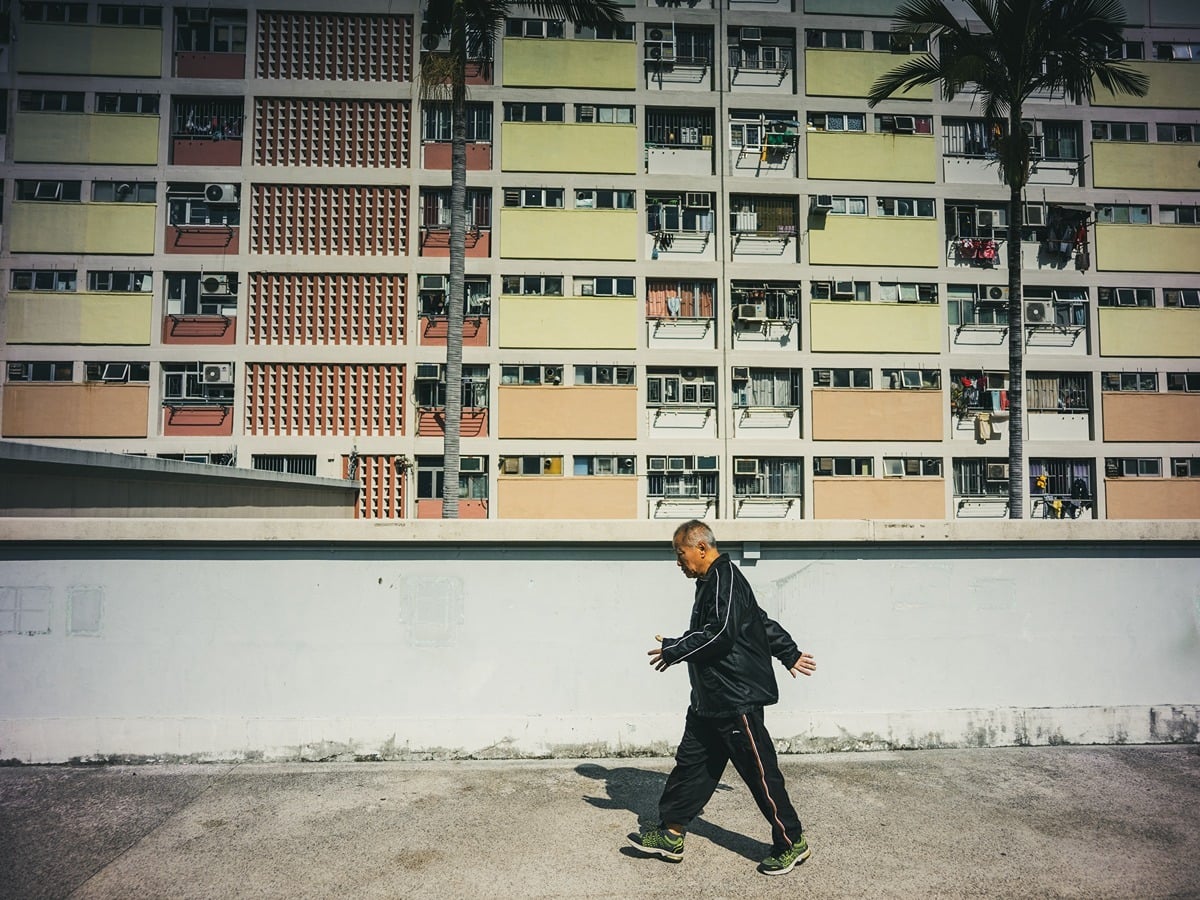
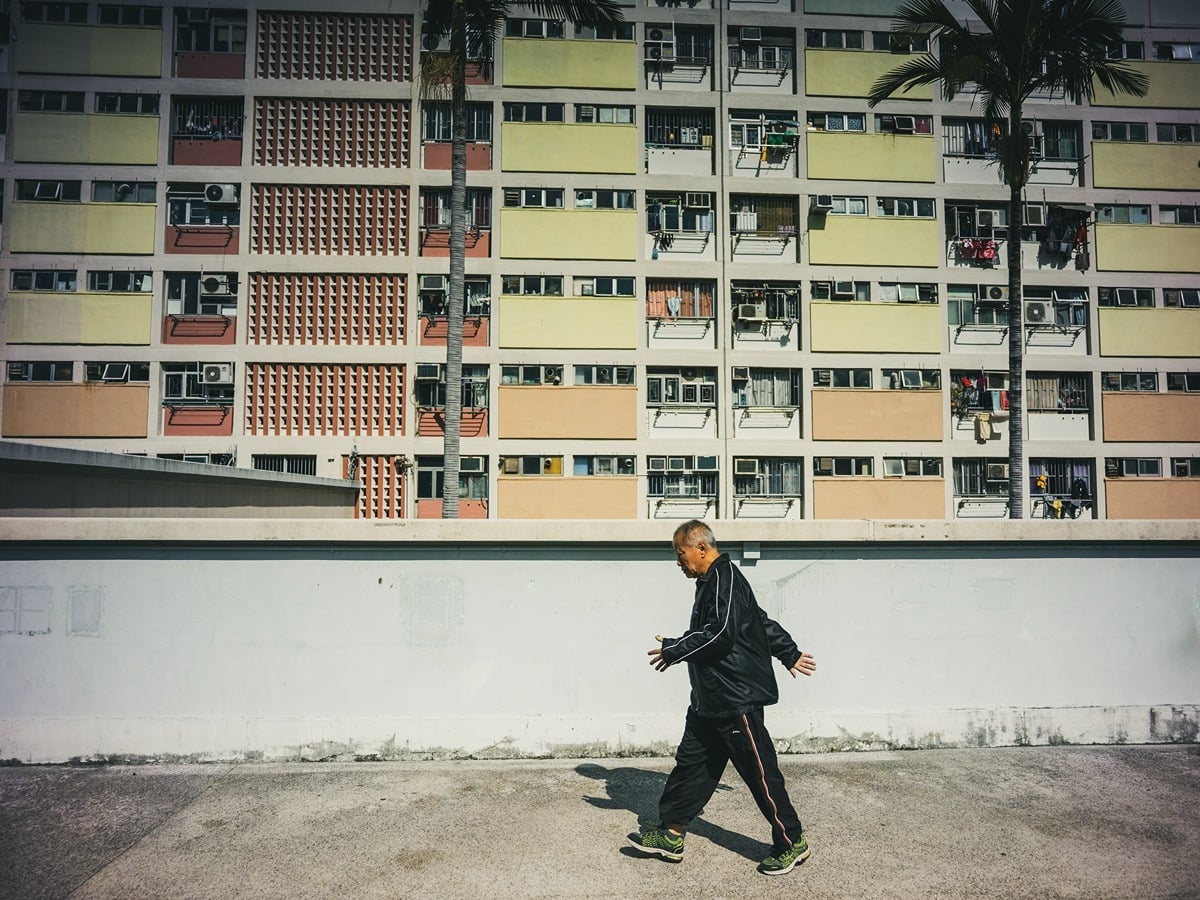
The numbers paint a compelling picture. Around 54,000 public rental flats are already aged 50 years or above. Within a decade, more than 230,000 more will join them. This is the legacy of the 1970s building programme that shaped the Hong Kong we know today. These are the corridors where children grew up, the courtyards where friendships were forged under laundry poles, the little flats where families saved, studied and dreamed.
Keeping these buildings safe and comfortable is a growing challenge. Per-unit maintenance costs have been rising steadily, and the bills for replacing lifts, refreshing spalling concrete and upgrading pipes naturally become more numerous as buildings mature. Patching and mending can go a long way, but eventually we have to acknowledge the truth: these homes that once sheltered us are ready to be reimagined for the next generation.
By carefully lifting plot ratios and rethinking layouts, we can turn a mature neighbourhood into a thriving, multigenerational community that houses not just its original families but also thousands more from the waiting list. Renewal can become a way to honour the past while thinking of the future; redevelopment can be a gift to those who are still waiting.
The old stumbling blocks are finally being cleared away. For decades, the unanswerable question was where to move residents while the redevelopment took shape. The hard-won increase in supply now gives us an answer.
With annual completions running ahead of target, we can carve out a dedicated proportion of flats, perhaps 10 to 15 per cent of new flats each year, to accommodate displaced residents. This would be enough to support an additional large-scale redevelopment project every year.
Because the Housing Authority also recovers a steady stream of flats from vacating tenants each year – averaging around 16,400 in recent years – the total pool of flats available for allocation would remain robust, with more than 90 per cent of the available units for general allocation going directly to the waiting list. It is a cushion that turns redevelopment from a disruptive scramble into a predictable transition.
This dedicated reserve can be complemented with a well-publicised redevelopment plan – providing the list of estates to be redeveloped, timelines and relocation options. This would ease residents’ minds. They would know, say, five years in advance that their block is part of a rolling programme, allowing them to plan their lives with greater certainty.
The proposition could also be financially viable. By rebalancing the mix of housing types in these rebuilt estates – for example, 60 per cent of rental flats and 40 per cent of subsidised flats for sale through the Home Ownership Scheme – we can let the sales proceeds do much of the heavy lifting. Estimates suggest such cross-subsidisation could reduce the net public expenditure on a redevelopment project by as much as 70 to 80 per cent, turning a daunting fiscal commitment into a largely self-financing redevelopment blueprint.
We have spent so many years playing catch-up that it can feel unfamiliar to talk about tackling structural issues, but the firmer ground beneath our feet was earned in harder times and has brought us a rare opening.
Our mature estates are not a problem to dread. They are a canvas waiting to be reimagined, a chance to take the homes that sheltered Hong Kong’s extraordinary rise and reweave them into places that will shelter the next generations, too. The window is open, and the view is full of possibilities.


Hong Kong’s public housing conversation is often dominated by a single anxious question: how long do you have to wait for a home? Today, the answer is starting to change. The average waiting time for a general applicant for subsidised public rental housing has fallen to 4.7 years, a shift that feels small on paper but enormous for the families living it.
The real transformation runs deeper than that headline figure. We have moved from a system that was playing catch-up to one that is steadily delivering volume. Traditional public housing completions have climbed to an expected average of around 35,000 and 45,700 units per year in the next five and 10 years, respectively, comfortably above the Long Term Housing Strategy (LTHS) targets.
Many factors contributed to the improvement. Construction cycles have shortened, thanks to the use of Modular Integrated Construction. Flats are assembled the way we might piece together a model kit, reducing months of on-site labour.
Alongside this, the arrival of light public housing and transitional housing has thrown a lifeline to families trapped in cramped, unsuitable conditions, buying precious time while permanent homes rise from the ground.
Even the policy language is broadening – from a singular focus on speed and numbers to embracing liveability. Design guidelines aimed at enhancing well-being are reshaping how we think about the spaces between buildings: the playgrounds, gardens and community kitchens that turn an estate into a neighbourhood.
All of this has given Hongkongers something rare these days: breathing room – the kind that lets us lift our gaze beyond the next quarter’s statistics. When we do, a different kind of opportunity comes into focus: a large number of our public housing estates are getting old.
The numbers paint a compelling picture. Around 54,000 public rental flats are already aged 50 years or above. Within a decade, more than 230,000 more will join them. This is the legacy of the 1970s building programme that shaped the Hong Kong we know today. These are the corridors where children grew up, the courtyards where friendships were forged under laundry poles, the little flats where families saved, studied and dreamed.
Keeping these buildings safe and comfortable is a growing challenge. Per-unit maintenance costs have been rising steadily, and the bills for replacing lifts, refreshing spalling concrete and upgrading pipes naturally become more numerous as buildings mature. Patching and mending can go a long way, but eventually we have to acknowledge the truth: these homes that once sheltered us are ready to be reimagined for the next generation.
By carefully lifting plot ratios and rethinking layouts, we can turn a mature neighbourhood into a thriving, multigenerational community that houses not just its original families but also thousands more from the waiting list. Renewal can become a way to honour the past while thinking of the future; redevelopment can be a gift to those who are still waiting.
The old stumbling blocks are finally being cleared away. For decades, the unanswerable question was where to move residents while the redevelopment took shape. The hard-won increase in supply now gives us an answer.
With annual completions running ahead of target, we can carve out a dedicated proportion of flats, perhaps 10 to 15 per cent of new flats each year, to accommodate displaced residents. This would be enough to support an additional large-scale redevelopment project every year.
Because the Housing Authority also recovers a steady stream of flats from vacating tenants each year – averaging around 16,400 in recent years – the total pool of flats available for allocation would remain robust, with more than 90 per cent of the available units for general allocation going directly to the waiting list. It is a cushion that turns redevelopment from a disruptive scramble into a predictable transition.
This dedicated reserve can be complemented with a well-publicised redevelopment plan – providing the list of estates to be redeveloped, timelines and relocation options. This would ease residents’ minds. They would know, say, five years in advance that their block is part of a rolling programme, allowing them to plan their lives with greater certainty.
The proposition could also be financially viable. By rebalancing the mix of housing types in these rebuilt estates – for example, 60 per cent of rental flats and 40 per cent of subsidised flats for sale through the Home Ownership Scheme – we can let the sales proceeds do much of the heavy lifting. Estimates suggest such cross-subsidisation could reduce the net public expenditure on a redevelopment project by as much as 70 to 80 per cent, turning a daunting fiscal commitment into a largely self-financing redevelopment blueprint.
We have spent so many years playing catch-up that it can feel unfamiliar to talk about tackling structural issues, but the firmer ground beneath our feet was earned in harder times and has brought us a rare opening.
Our mature estates are not a problem to dread. They are a canvas waiting to be reimagined, a chance to take the homes that sheltered Hong Kong’s extraordinary rise and reweave them into places that will shelter the next generations, too. The window is open, and the view is full of possibilities.