





Industry + Service Enhancement – The Low-Altitude Economy Flies High




Industry + Service Enhancement – The Low-Altitude Economy Flies High

The source text is in Chinese. This English version is for reference only. In case of any discrepancy between this English version and the Chinese version, the Chinese version shall prevail.
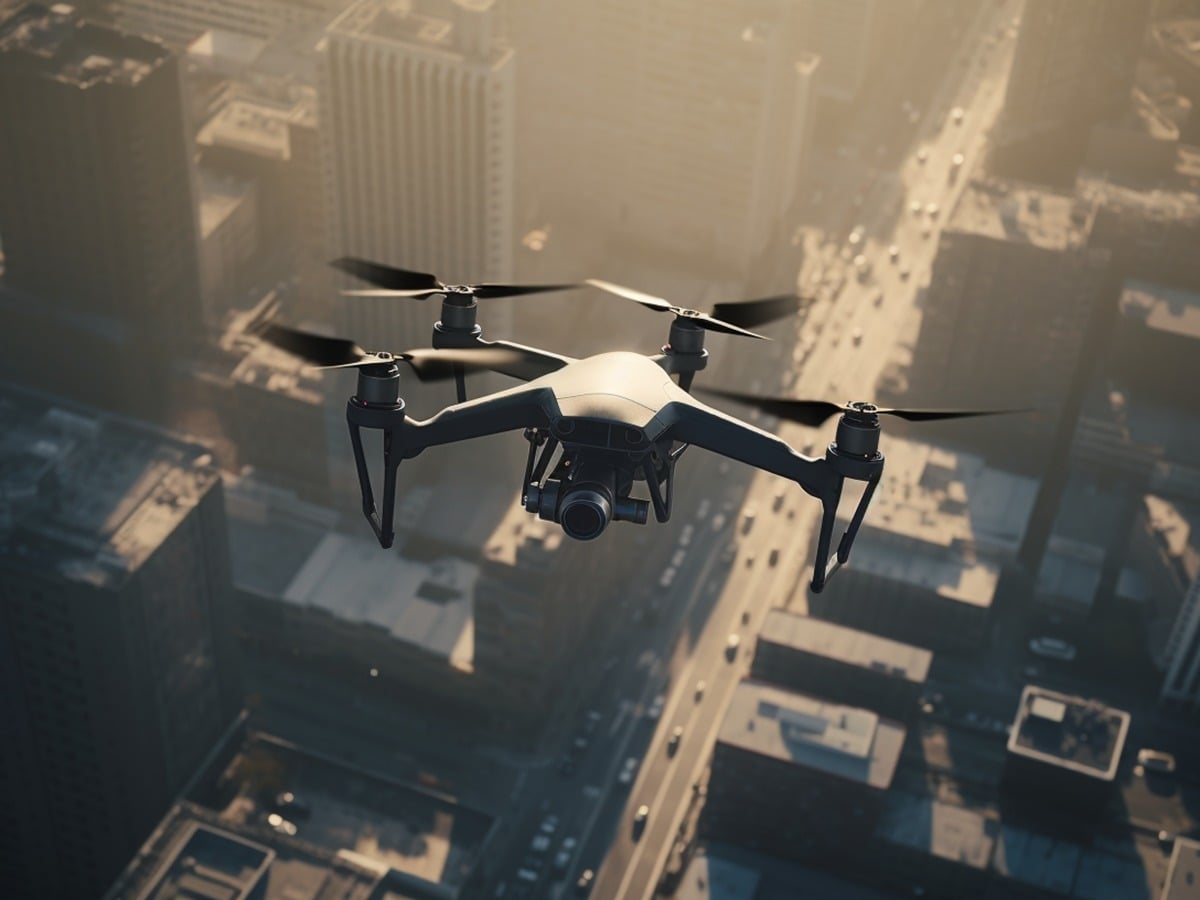
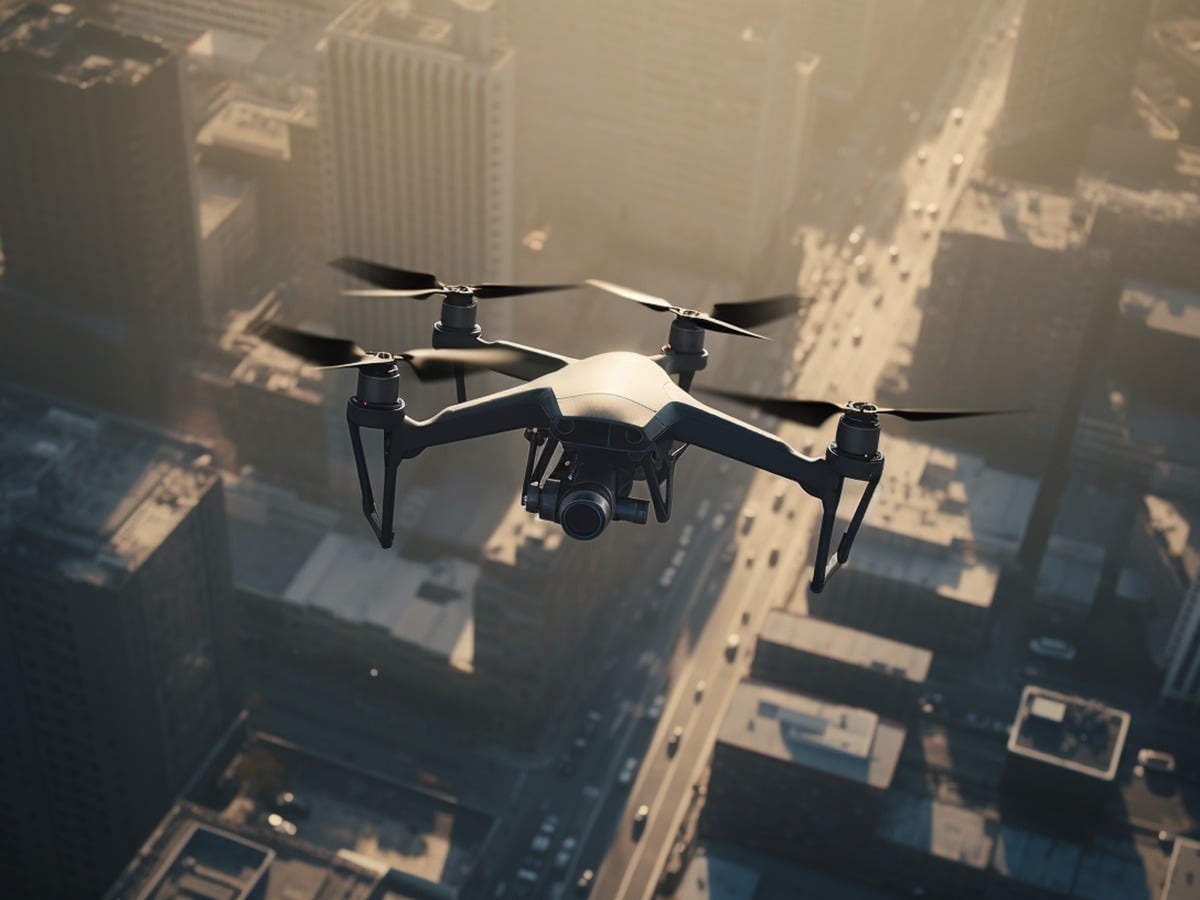
In his recent Policy Address, the Chief Executive proposed promoting the development of a competitive low-altitude economy ecosystem in order to establish Hong Kong as a hub for innovative low-altitude applications in the Asia-Pacific region. This not only demonstrates the Government’s determination but also clearly indicate the ultimate direction for the development of Hong Kong’s low-altitude economy.
Optimising Administrative Regulation and Promoting Application Deployment
A key focus of this year’s Policy Address is the optimisation of the “regulatory sandbox” framework for the low-altitude economy, facilitating its transition from trial to regular operations. The Government will utilise data from initial pilot projects to develop commercial use cases for foundational applications. Furthermore, it will formulate specific legislation for “non-traditional aircraft” exceeding 150 kilograms and launch an upgraded “Regulatory Sandbox X” to explore more complex applications, including cross-boundary flights and low-altitude passenger transport.
The increasing volume and complexity of low-altitude flight activities will inevitably raise the administrative burden of the Working Group on Developing Low-altitude Economy (“WG”). In fact, some mainland pilot cities have already optimised the administrative regulation framework of the low-altitude economy by integrating government resources. For example, Hangzhou’s Transport Bureau established a comprehensive office to coordinate interdepartmental cooperation and break the situation of departments working independently; and set up dedicated working groups by field to promote efficient administrative work.
Hong Kong can refer to this experience to make strategic adjustments to the structure of the WG. In fact, under the existing framework, the WG already has the power to establish different sub‑groups to provide technical advice and support. Therefore, to better coordinate internal work, the WG can, on the basis of the Project Facilitation Team, further add Infrastructure, Regulation and Standards, Cross‑Boundary Coordination, and Industry Development sub‑groups, and include relevant government departments to enhance administrative and approval efficiency and institutional reliability.
Organising Flagship Events to Create Business Opportunities and Stimulate Standardisation
On the basis of administrative support, the commercialisation of the low‑altitude economy still needs to attract more enterprises to strengthen market momentum. The Policy Address proposes hosting flagship events to showcase the achievements of the low‑altitude economy ecosystem. Based on events such as the first Low‑Altitude Economy Forum organised by Invest Hong Kong and the Hong Kong International Innovation and Technology Exposition co‑organised by the Innovation, Technology and Industry Bureau and the Hong Kong Trade Development Council, Hong Kong should further leverage its advantages in convention and exhibition services. Low‑altitude flagship events could include product launches, hackathon competitions, and investment‑matching sessions, turning Hong Kong into an accelerator for low‑altitude business cooperation and transactions, allowing mainland and emerging‑market enterprises to witness Hong Kong’s market opportunities and establish a presence in the city.
While creating business opportunities through largescale events, Hong Kong can also actively strive to host international standardsetting conferences. Unlike the mature field of international civil aviation, low-altitude flight has not yet formed a complete set of international standards. As a member of the Chinese delegation to the International Civil Aviation Organization (ICAO), Hong Kong should seize this strategic opportunity, and with national support, strive to invite ICAO’s Remotely Piloted Aircraft Systems Panel to hold seminars in Hong Kong. This would provide a platform for local and mainland experts to participate in the formulation of international standards and strengthen the country’s voice in low-altitude flight standards.
If properly planned, these flagship events can be developed into a branded series comparable to “Financial Mega Week,” further injecting momentum into the “megaevent economy.”
The complexity and uncertainty of international expansion is intensified for low-altitude enterprises venturing overseas due to challenges related to re-certification. Building on participation in international standard setting, Hong Kong can actively expand its testing and certification services for low-altitude aircraft, assisting mainland and emerging market products such as those from ASEAN countries in obtaining international certification. In fact, Hong Kong’s testing and certification institutions, through the international network of the Hong Kong Accreditation Service under the Innovation and Technology Commission, have long provided globally recognised services to export manufacturers. The next step is for the Hong Kong Accreditation Service to review its current accreditation scope, expand new services for low-altitude aircraft, and create a “Tested in Hong Kong, Exported Worldwide” business model — helping outbound companies reduce compliance risks and accelerate overseas deployment. By developing a global centre for low-altitude aircraft testing and certification, Hong Kong can further enhance its service capability as an international hub.
The GBA’s Innovation Synergy and Hong Kong’s Role
The recent announcement of the Global Innovation Index 2025 rankings by the World Intellectual Property Organization highlights the “Shenzhen-Hong Kong-Guangzhou” technology cluster as the world’s foremost innovation hub for the first time. This achievement implies that neither technological innovation nor financial strength alone suffices; the true key lies in the strong synergy formed among the three places - an industrial and service ecosystem that seamlessly integrates frontier technology (Shenzhen), high-end manufacturing (Guangzhou), and supporting services (Hong Kong), and brings them together into the global market.
Summarising the three-part series: from the infrastructure and regulation needed to "fly steadily", to the innovation and talent required to "fly far", and finally to the industry and services enabling one to "fly high". These three elements are intertwined and form an inseparable whole. It is hoped that the discussions in this series can provide reference for the Action Plan on Developing Low-altitude Economy proposed in the Policy Address, so as to transform the potential of the low-altitude economy into tangible commercial value and establish Hong Kong's core position in this emerging industry of the future.
("The Journey to Take Off - Part Three")


The source text is in Chinese. This English version is for reference only. In case of any discrepancy between this English version and the Chinese version, the Chinese version shall prevail.
In his recent Policy Address, the Chief Executive proposed promoting the development of a competitive low-altitude economy ecosystem in order to establish Hong Kong as a hub for innovative low-altitude applications in the Asia-Pacific region. This not only demonstrates the Government’s determination but also clearly indicate the ultimate direction for the development of Hong Kong’s low-altitude economy.
Optimising Administrative Regulation and Promoting Application Deployment
A key focus of this year’s Policy Address is the optimisation of the “regulatory sandbox” framework for the low-altitude economy, facilitating its transition from trial to regular operations. The Government will utilise data from initial pilot projects to develop commercial use cases for foundational applications. Furthermore, it will formulate specific legislation for “non-traditional aircraft” exceeding 150 kilograms and launch an upgraded “Regulatory Sandbox X” to explore more complex applications, including cross-boundary flights and low-altitude passenger transport.
The increasing volume and complexity of low-altitude flight activities will inevitably raise the administrative burden of the Working Group on Developing Low-altitude Economy (“WG”). In fact, some mainland pilot cities have already optimised the administrative regulation framework of the low-altitude economy by integrating government resources. For example, Hangzhou’s Transport Bureau established a comprehensive office to coordinate interdepartmental cooperation and break the situation of departments working independently; and set up dedicated working groups by field to promote efficient administrative work.
Hong Kong can refer to this experience to make strategic adjustments to the structure of the WG. In fact, under the existing framework, the WG already has the power to establish different sub‑groups to provide technical advice and support. Therefore, to better coordinate internal work, the WG can, on the basis of the Project Facilitation Team, further add Infrastructure, Regulation and Standards, Cross‑Boundary Coordination, and Industry Development sub‑groups, and include relevant government departments to enhance administrative and approval efficiency and institutional reliability.
Organising Flagship Events to Create Business Opportunities and Stimulate Standardisation
On the basis of administrative support, the commercialisation of the low‑altitude economy still needs to attract more enterprises to strengthen market momentum. The Policy Address proposes hosting flagship events to showcase the achievements of the low‑altitude economy ecosystem. Based on events such as the first Low‑Altitude Economy Forum organised by Invest Hong Kong and the Hong Kong International Innovation and Technology Exposition co‑organised by the Innovation, Technology and Industry Bureau and the Hong Kong Trade Development Council, Hong Kong should further leverage its advantages in convention and exhibition services. Low‑altitude flagship events could include product launches, hackathon competitions, and investment‑matching sessions, turning Hong Kong into an accelerator for low‑altitude business cooperation and transactions, allowing mainland and emerging‑market enterprises to witness Hong Kong’s market opportunities and establish a presence in the city.
While creating business opportunities through largescale events, Hong Kong can also actively strive to host international standardsetting conferences. Unlike the mature field of international civil aviation, low-altitude flight has not yet formed a complete set of international standards. As a member of the Chinese delegation to the International Civil Aviation Organization (ICAO), Hong Kong should seize this strategic opportunity, and with national support, strive to invite ICAO’s Remotely Piloted Aircraft Systems Panel to hold seminars in Hong Kong. This would provide a platform for local and mainland experts to participate in the formulation of international standards and strengthen the country’s voice in low-altitude flight standards.
If properly planned, these flagship events can be developed into a branded series comparable to “Financial Mega Week,” further injecting momentum into the “megaevent economy.”
The complexity and uncertainty of international expansion is intensified for low-altitude enterprises venturing overseas due to challenges related to re-certification. Building on participation in international standard setting, Hong Kong can actively expand its testing and certification services for low-altitude aircraft, assisting mainland and emerging market products such as those from ASEAN countries in obtaining international certification. In fact, Hong Kong’s testing and certification institutions, through the international network of the Hong Kong Accreditation Service under the Innovation and Technology Commission, have long provided globally recognised services to export manufacturers. The next step is for the Hong Kong Accreditation Service to review its current accreditation scope, expand new services for low-altitude aircraft, and create a “Tested in Hong Kong, Exported Worldwide” business model — helping outbound companies reduce compliance risks and accelerate overseas deployment. By developing a global centre for low-altitude aircraft testing and certification, Hong Kong can further enhance its service capability as an international hub.
The GBA’s Innovation Synergy and Hong Kong’s Role
The recent announcement of the Global Innovation Index 2025 rankings by the World Intellectual Property Organization highlights the “Shenzhen-Hong Kong-Guangzhou” technology cluster as the world’s foremost innovation hub for the first time. This achievement implies that neither technological innovation nor financial strength alone suffices; the true key lies in the strong synergy formed among the three places - an industrial and service ecosystem that seamlessly integrates frontier technology (Shenzhen), high-end manufacturing (Guangzhou), and supporting services (Hong Kong), and brings them together into the global market.
Summarising the three-part series: from the infrastructure and regulation needed to "fly steadily", to the innovation and talent required to "fly far", and finally to the industry and services enabling one to "fly high". These three elements are intertwined and form an inseparable whole. It is hoped that the discussions in this series can provide reference for the Action Plan on Developing Low-altitude Economy proposed in the Policy Address, so as to transform the potential of the low-altitude economy into tangible commercial value and establish Hong Kong's core position in this emerging industry of the future.
("The Journey to Take Off - Part Three")