





Our Hong Kong Foundation Launches Policy Advocacy Report "Breaking Boundaries to Develop Hong Kong into a Mega Sports Events Capital"




Our Hong Kong Foundation Launches Policy Advocacy Report "Breaking Boundaries to Develop Hong Kong into a Mega Sports Events Capital"

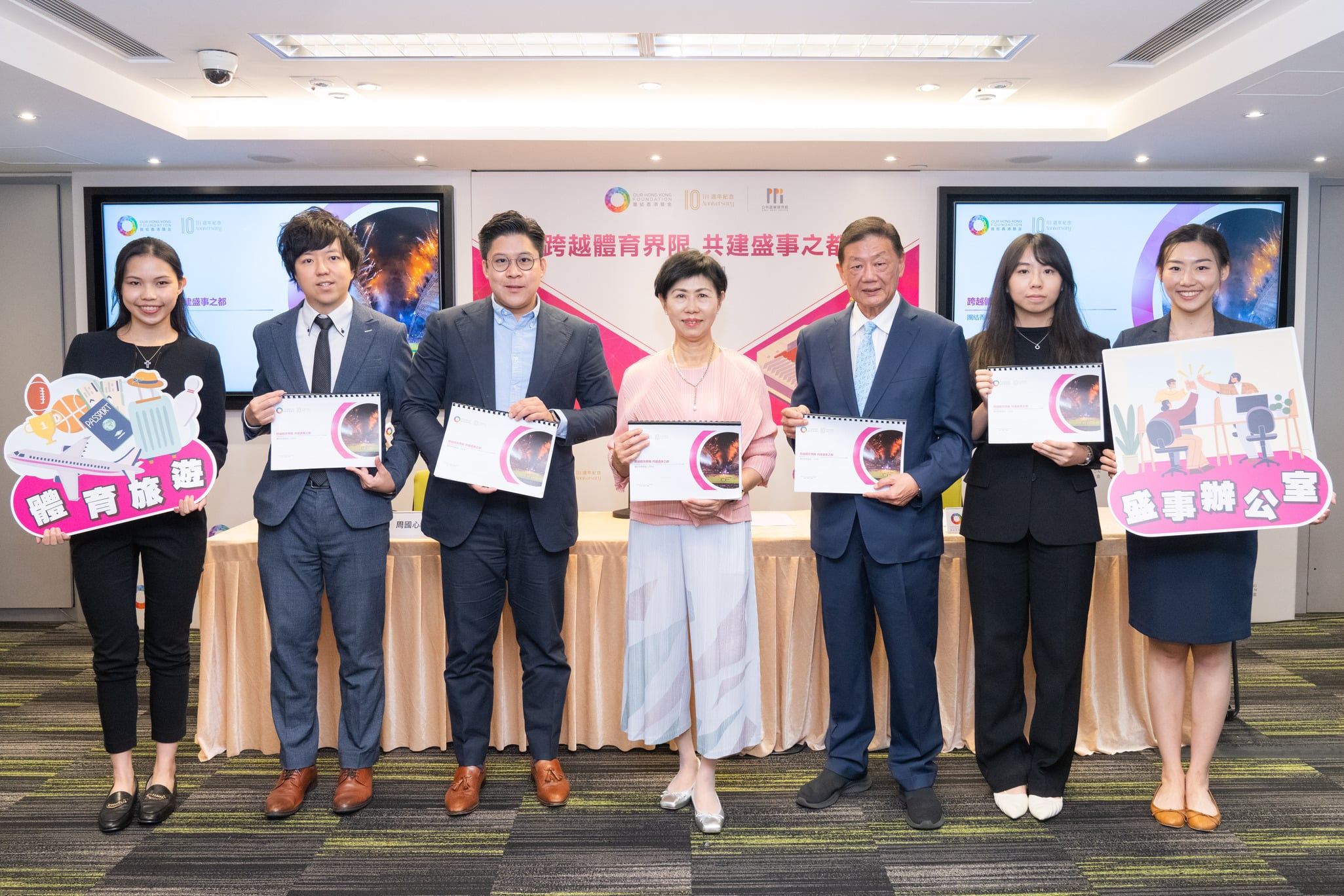
(30 September 2024) Our Hong Kong Foundation (OHKF) released a new policy advocacy report today titled, “Breaking Boundaries to Develop Hong Kong into a Mega Sports Events Capital”.
Hong Kong athletes have continued to make history in recent years, winning gold medals in two consecutive Olympic Games for the first time. Inspired by their sensational performance on the international stage, the city has been paying increasing attention to sports development. With the imminent opening of the Kai Tak Sports Park and the joint hosting of the 15th National Games by Guangdong, Hong Kong and Macau, Hong Kong should capitalize on the momentum and propel the development of the sports industry through sports events.
Developing sports as an industry and Hong Kong into a mega sports events capital are intrinsically intertwined, bringing immense social and economic benefits to the city. The "14th Five-Year Plan for Sports Development” puts forward the directive to promote tourism through sports proactively and to develop the sports tourism industry. At the same time, sports tourism is a new global trend, which, according to the UN World Tourism Organization, is estimated to reach an annual growth rate of 17.5% between 2023 and 2030. A prime example is the 2024 Hong Kong Sevens, where international visitors accounted for 40% of its attendees and was estimated to generate HK$320 million in economic benefits for Hong Kong.
OHKF conducted in-depth interviews with more than 50 stakeholders and drew upon experiences from other regions to understand the challenges faced in organizing major sports events in Hong Kong. The report will focus on three aspects: i) supporting the bidding and planning of sports events, ii) enhancing sports infrastructure, and iii) promoting sports entertainment, and puts forward 12 policy recommendations to promote the development of mega sports events economy in Hong Kong.
Part 1: Events Bidding & Planning
To develop Hong Kong into an international mega sports event capital, strategic bidding and planning for major sports events is the first step. Generally, National Sports Associations (NSAs) independently bid for and organize sports events, which is a significant challenge for medium-sized NSAs. Coordination issues among sports, cultural, and business events have also limited the impact of mega sports events. Moreover, non-NSA event organizers, particularly international organizers, often lack experience in managing large-scale events in Hong Kong, resulting in delays and disorganization that undermines the city's reputation as an "Events Capital." Finally, to attract international tourists to spend money and participate in sports events, strengthening both local and overseas promotion through various advertisement channels is also crucial. Aiming to successfully bring more high-value large-scale events to Hong Kong and ensure their success, this report will include the following policy recommendations:
Recommendation 1: Establish a permanent Mega Events Office based on the existing Mega Events Coordination Group
The Mega Events Office will be responsible for conducting cross-bureau coordination on the bidding and planning of major events. At present, the government's role is relatively passive and lacks a systematic strategic plan to attract sports events to Hong Kong. The Mega Events Office will take a more proactive role to coordinate the events bidding and planning process according to events organizers’ needs, including consultation and support measures;Recommendation 2: Provide different levels of support depending on the scale of the event and bid for large-scale events more actively
The Mega Events Office can require NSAs to submit mid-term development plan specifying the events they plan to host. Simultaneously, the Office should conduct periodic consultations to assess the needs of different types of events and provide more tailored support to event organizers, such as flexible financial support and consultation, thereby strategically competing for more high value sports events;Recommendation 3: Strategically coordinate different large-scale events to promote “Sports + Arts + MICE” in a bundled manner
The government should strategically plan the Mega Events Calendar to promote sports, arts and MICE events together, which can attract different types of audiences and result in synergistic promotion that maximizes the events’ economic benefits;Recommendation 4: Strengthen tailored support for event organizers, including licensing and logistical support
The Mega Events Office can serve as a central point to streamline license application procedures and facilitate communication between the organizer, various government departments and affected communities. To ensure that the event planning process runs smoothly, the government can also collaborate with local NSAs to provide consultation to organizers who lack experience in organizing large-scale events locally;Recommendation 5: Leverage government resources to increase local & overseas promotion
a) Through public-private partnerships, leverage existing infrastructure, such as major traffic highways, LCSD venue facades, and public transportation, for promotional purposes, cultivating an engaging and vibrant atmosphere across the city;
b) Upgrade Hong Kong Tourism Board’s (HKTB) Representative Offices into Worldwide offices in target markets, such as the Middle East and ASEAN, to promote sports events;
c) Promote synergies between the overseas offices of the HKTB, Hong Kong Trade Development Council, and Hong Kong Economic Trade Office to strengthen events promotion and to attract visitors to Hong Kong.
Part 2: Sports Infrastructure
To transform Hong Kong into an appealing city for hosting sports events, it is essential to have adequate sports venues that meet international standards. The report includes the following policy recommendations:
Recommendation 6: Carry out a systematic review of LCSD sport facilities and implement improvement plans on existing major sports events venues
Enhance and provide necessary supporting and reception facilities in LCSD venues that currently do not meet international competition standards;Recommendation 7: Collaborate with private recreational clubs to further increase available venues for major sports events and related activities
CSTB should promote the use of facilities in private recreational clubs for mega sports events and related activities by amending Private Recreational Leases (PRL) and have LCSD facilitate collaborations between event organizers (including NSAs) and private sports clubs;Recommendation 8: Simplify the licensing application process required for utilizing Kai Tak Sports Park as a major events venue
The current licensing application procedure required when using Kai Tak Sports Park for events is lengthy and cumbersome, making it challenging for event organizers to navigate the licensing process. Referencing the model used for LCSD venues, the report recommends gradually simplifying the requirements for Kai Tak Sports Park’s licensing process;Recommendation 9: Co-host large-scale multi-sports events with the Greater Bay Area (GBA)
The number of sports venues and their capacity are limited in Hong Kong, hindering the scale of events that can be held. Therefore, we recommend the following:
a) Transform the National Games Coordination Office (Hong Kong) into a permanent office, leveraging sports venues in the GBA to co-host more large-scale multi-sports events;
b) Co-host and co-organize more regional and world-level multi-sports events. For instance, Hong Kong could consider co-hosting a new “Belt and Road” Games and play an important role as the Secretariat, further leveraging the city’s unique advantages to bridge China with the world, to promote sports and cultural exchanges, and to become an arbitration center for sports disputes.
Part 3: Sportainment
Integrating entertainment activities into sports events can enhance the level of engagement and immersion of locals and tourists as well as promote the development of retail, food and beverage and creative industries. Recommendations in this report include:
Recommendation 10: Utilize the Kai Tak Mobile Cabin Hospital area to develop sportainment venues
Transform Kai Tak into a sports tourism hub through concentrated sportainment activities, enhancing its synergy with nearby neighbourhoods;Recommendation 11: Coordinate with industries to develop and promote “Events +” travel packages
Develop and promote travel packages containing sports and entertainment experiences, integrating major events with culture, sports and tourism activities to boost tourists' spending;Recommendation 12: Facilitate the use of different venues to promote city-wide sportainment activities
Coordinate with businesses (such as shopping malls, commercial buildings and harbourfront areas) and mobilize community resources to promote recurring sports events or multi-sports events across the city.
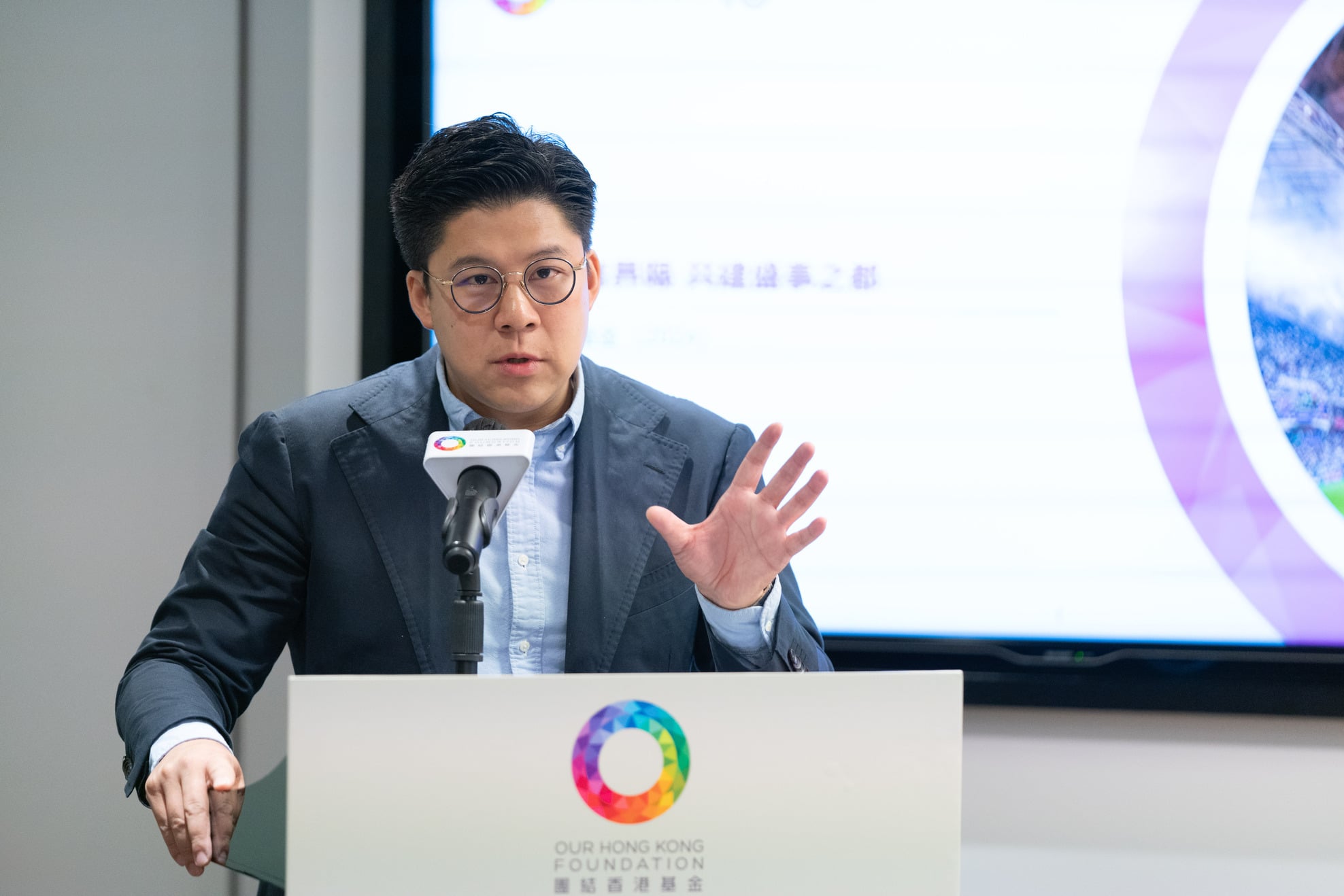
The Sports Federation & Olympic Committee of Hong Kong, China Vice-President, Legislative Council Member Kenneth Fok said: "Upgrading LCSD facilities will create a more attractive platform for international sports events in Hong Kong, injecting new momentum into the local economy. Each event is an opportunity to showcase Hong Kong's culture and vitality, allowing the city to shine on the global sports stage."
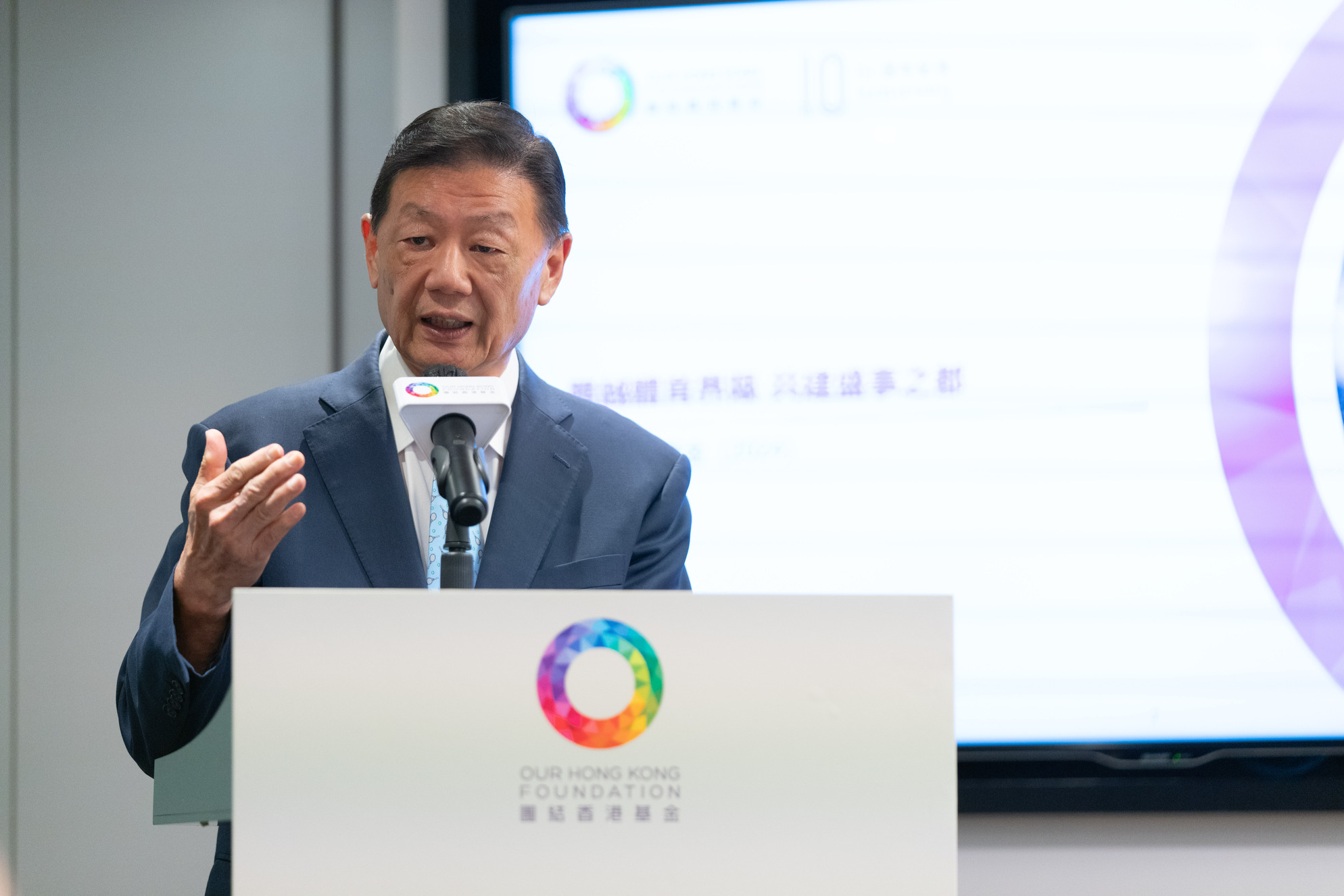
The Sports Federation & Olympic Committee of Hong Kong, China Vice-President and Lead advisor of the report Professor Herman Hu indicated: "Establishing a dedicated high-level Mega Events Office will serve as a catalyst for collaboration between various government departments, NSAs, and the community. This will not only enhance Hong Kong's competitiveness in attracting international sports events and bring these events to every corner of society, but also elevate the mega events economy to new heights."
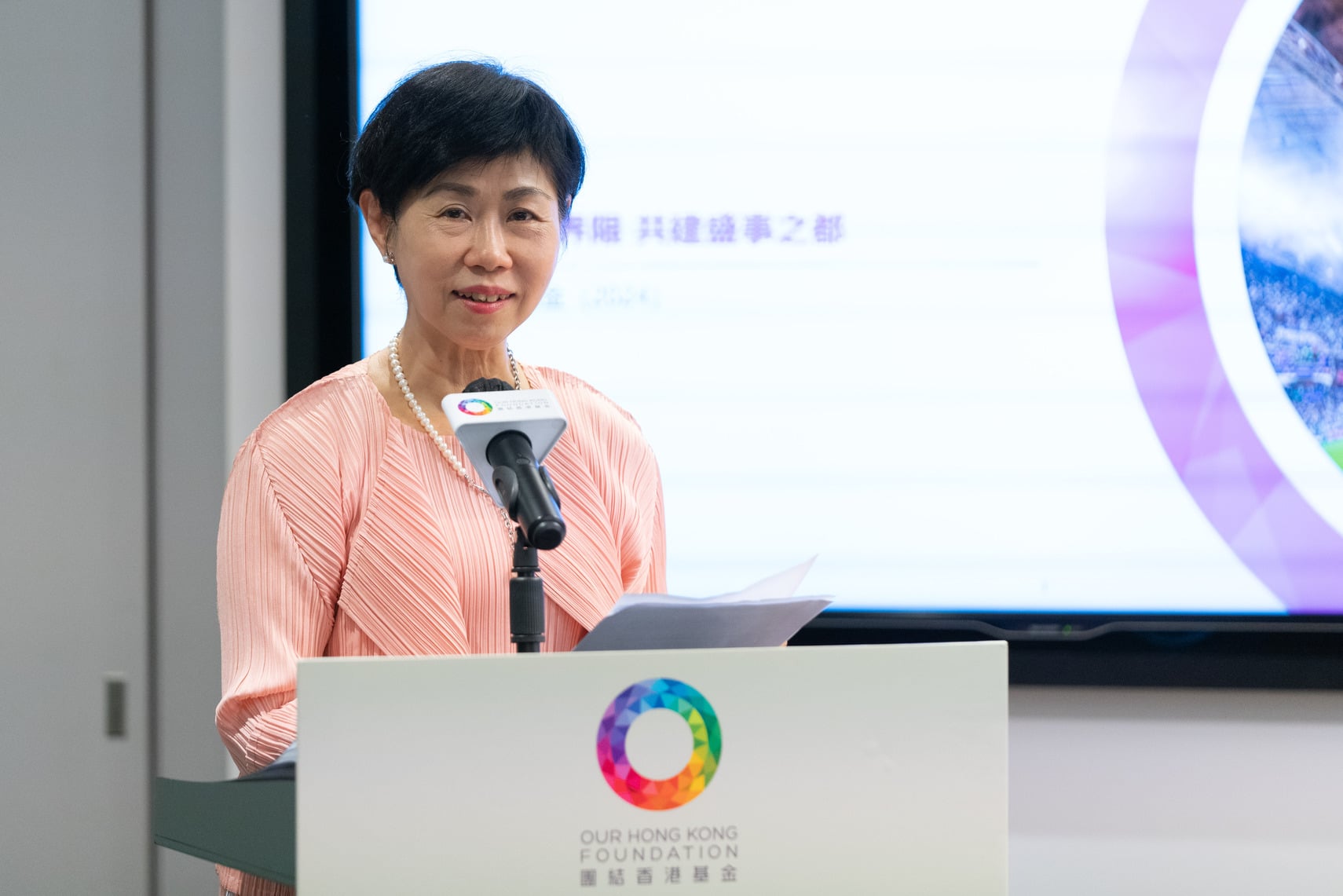
OHKF President Dr Jane Lee said: “Hong Kong athletes have again achieved remarkable results at the Paris Olympics, injecting new impetus into sports development. Hong Kong should seize this opportunity to holistically enhance the city’s ability and appeal to host international sports events, fostering a more complete ecosystem for the mega sports event industry.”
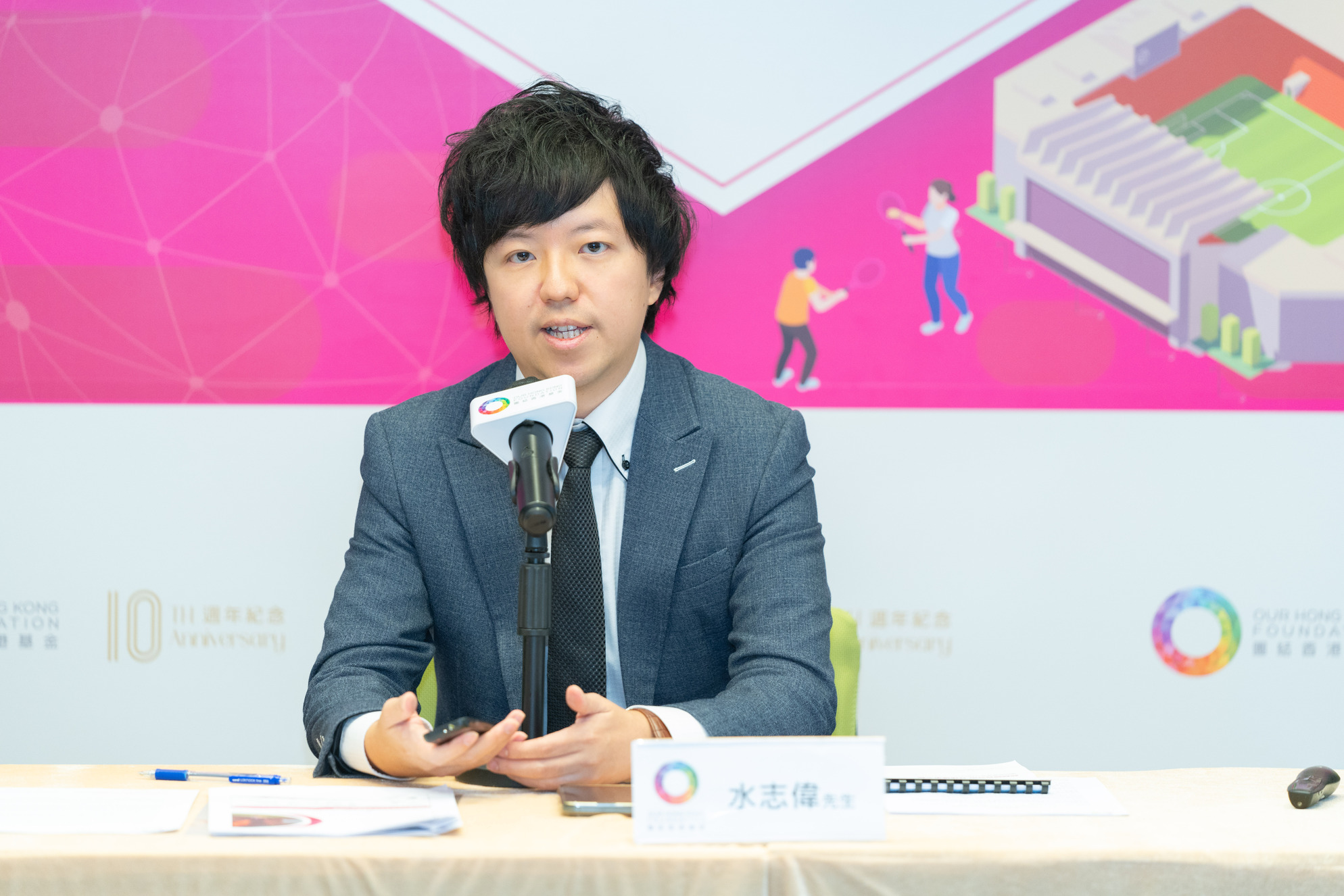
Vice President cum Co-Head of Research Mr Kenny Shui remarked: "We not only need to attract talent and businesses but also to attract mega events. We hope the government will take proactive measures to improve event planning and coordination mechanisms, bringing more high-value large-scale sports events to Hong Kong. At the same time, by integrating sports and entertainment, we can turn popularity into economic wealth and establish Hong Kong’s branding as a mega sports events capital."
Full Contents of Breaking Boundaries to Develop Hong Kong into a Mega Sports Events Capital Report
Chinese version only: https://bit.ly/4dmXgW1
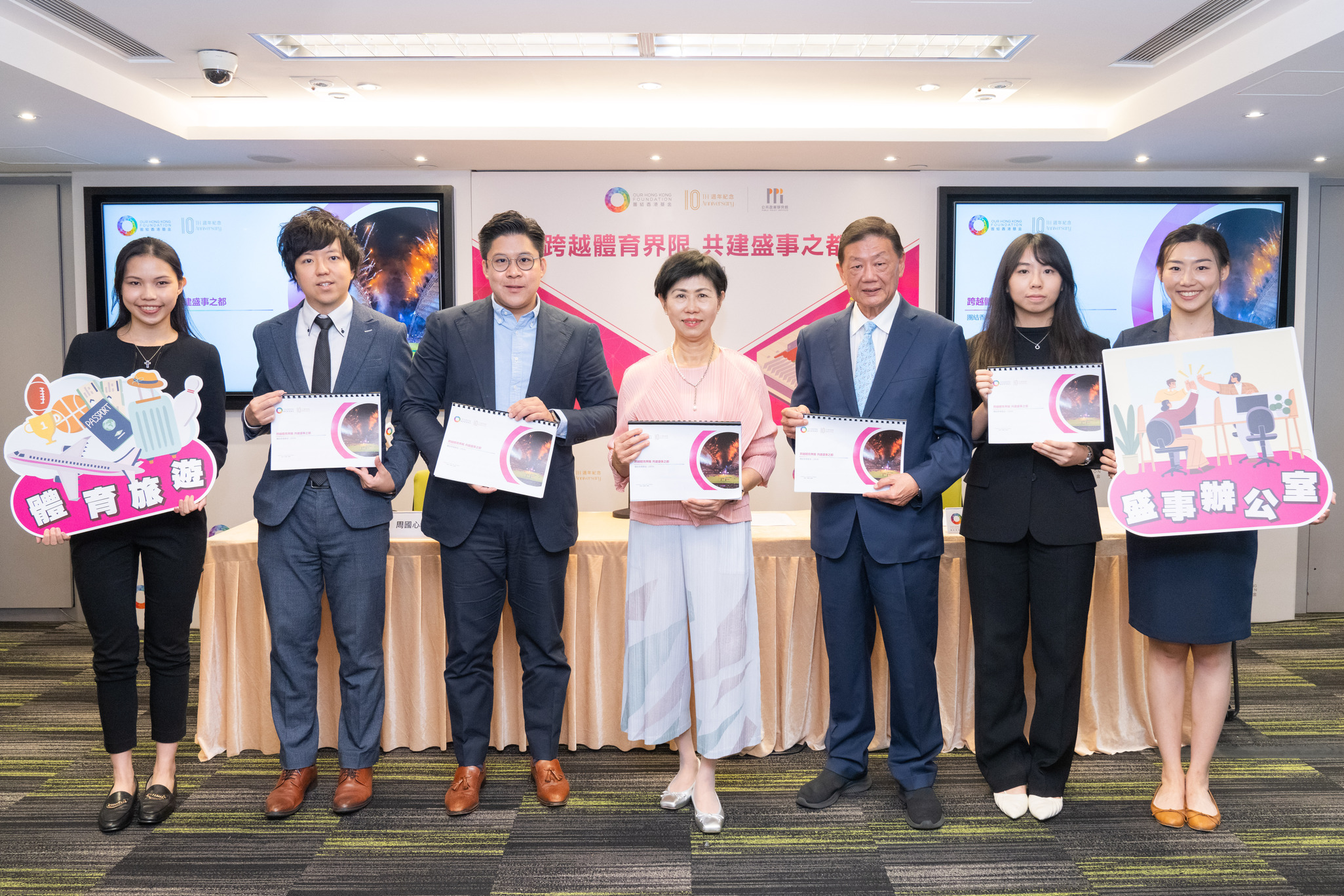
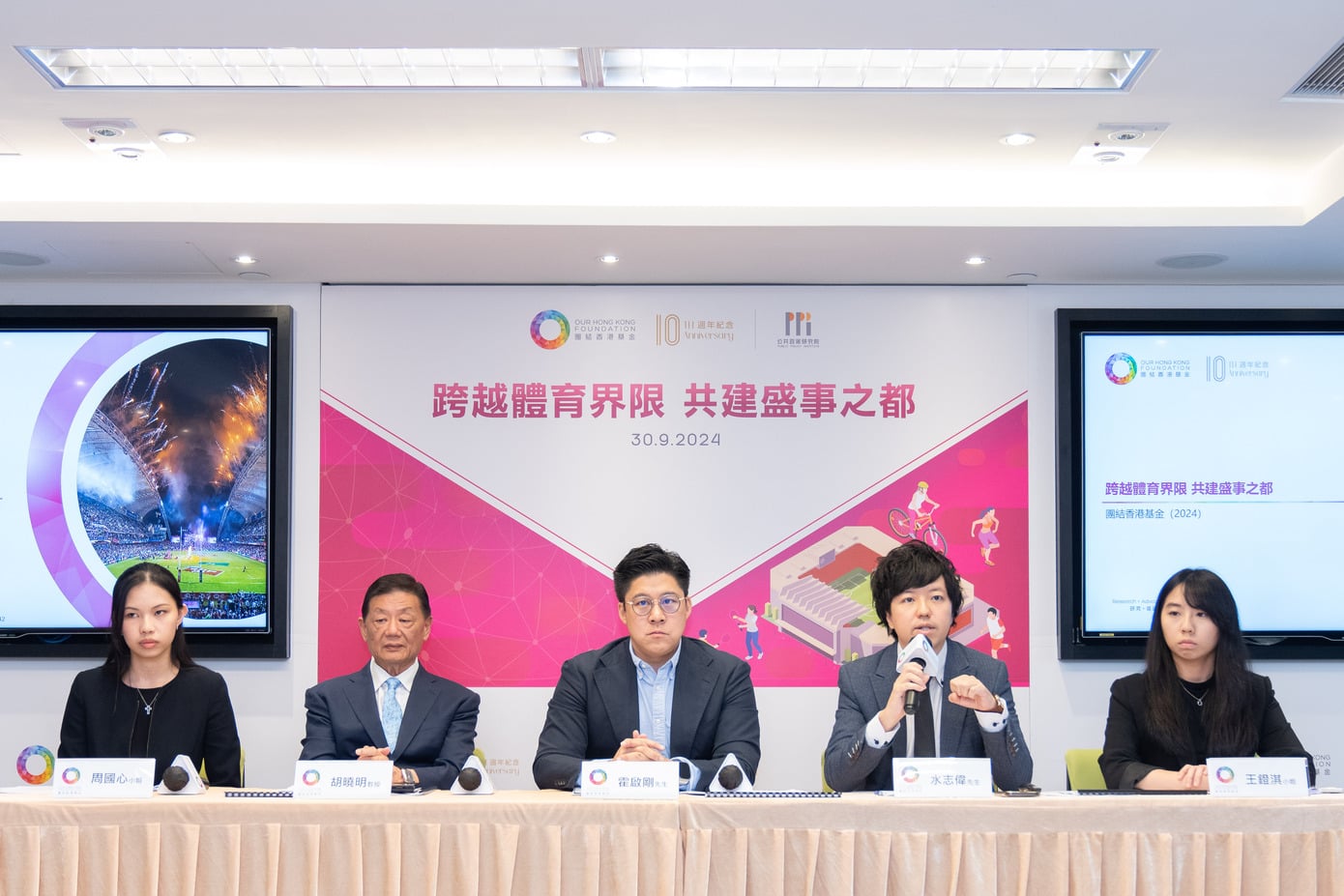


(30 September 2024) Our Hong Kong Foundation (OHKF) released a new policy advocacy report today titled, “Breaking Boundaries to Develop Hong Kong into a Mega Sports Events Capital”.
Hong Kong athletes have continued to make history in recent years, winning gold medals in two consecutive Olympic Games for the first time. Inspired by their sensational performance on the international stage, the city has been paying increasing attention to sports development. With the imminent opening of the Kai Tak Sports Park and the joint hosting of the 15th National Games by Guangdong, Hong Kong and Macau, Hong Kong should capitalize on the momentum and propel the development of the sports industry through sports events.
Developing sports as an industry and Hong Kong into a mega sports events capital are intrinsically intertwined, bringing immense social and economic benefits to the city. The "14th Five-Year Plan for Sports Development” puts forward the directive to promote tourism through sports proactively and to develop the sports tourism industry. At the same time, sports tourism is a new global trend, which, according to the UN World Tourism Organization, is estimated to reach an annual growth rate of 17.5% between 2023 and 2030. A prime example is the 2024 Hong Kong Sevens, where international visitors accounted for 40% of its attendees and was estimated to generate HK$320 million in economic benefits for Hong Kong.
OHKF conducted in-depth interviews with more than 50 stakeholders and drew upon experiences from other regions to understand the challenges faced in organizing major sports events in Hong Kong. The report will focus on three aspects: i) supporting the bidding and planning of sports events, ii) enhancing sports infrastructure, and iii) promoting sports entertainment, and puts forward 12 policy recommendations to promote the development of mega sports events economy in Hong Kong.
Part 1: Events Bidding & Planning
To develop Hong Kong into an international mega sports event capital, strategic bidding and planning for major sports events is the first step. Generally, National Sports Associations (NSAs) independently bid for and organize sports events, which is a significant challenge for medium-sized NSAs. Coordination issues among sports, cultural, and business events have also limited the impact of mega sports events. Moreover, non-NSA event organizers, particularly international organizers, often lack experience in managing large-scale events in Hong Kong, resulting in delays and disorganization that undermines the city's reputation as an "Events Capital." Finally, to attract international tourists to spend money and participate in sports events, strengthening both local and overseas promotion through various advertisement channels is also crucial. Aiming to successfully bring more high-value large-scale events to Hong Kong and ensure their success, this report will include the following policy recommendations:
Recommendation 1: Establish a permanent Mega Events Office based on the existing Mega Events Coordination Group
The Mega Events Office will be responsible for conducting cross-bureau coordination on the bidding and planning of major events. At present, the government's role is relatively passive and lacks a systematic strategic plan to attract sports events to Hong Kong. The Mega Events Office will take a more proactive role to coordinate the events bidding and planning process according to events organizers’ needs, including consultation and support measures;Recommendation 2: Provide different levels of support depending on the scale of the event and bid for large-scale events more actively
The Mega Events Office can require NSAs to submit mid-term development plan specifying the events they plan to host. Simultaneously, the Office should conduct periodic consultations to assess the needs of different types of events and provide more tailored support to event organizers, such as flexible financial support and consultation, thereby strategically competing for more high value sports events;Recommendation 3: Strategically coordinate different large-scale events to promote “Sports + Arts + MICE” in a bundled manner
The government should strategically plan the Mega Events Calendar to promote sports, arts and MICE events together, which can attract different types of audiences and result in synergistic promotion that maximizes the events’ economic benefits;Recommendation 4: Strengthen tailored support for event organizers, including licensing and logistical support
The Mega Events Office can serve as a central point to streamline license application procedures and facilitate communication between the organizer, various government departments and affected communities. To ensure that the event planning process runs smoothly, the government can also collaborate with local NSAs to provide consultation to organizers who lack experience in organizing large-scale events locally;Recommendation 5: Leverage government resources to increase local & overseas promotion
a) Through public-private partnerships, leverage existing infrastructure, such as major traffic highways, LCSD venue facades, and public transportation, for promotional purposes, cultivating an engaging and vibrant atmosphere across the city;
b) Upgrade Hong Kong Tourism Board’s (HKTB) Representative Offices into Worldwide offices in target markets, such as the Middle East and ASEAN, to promote sports events;
c) Promote synergies between the overseas offices of the HKTB, Hong Kong Trade Development Council, and Hong Kong Economic Trade Office to strengthen events promotion and to attract visitors to Hong Kong.
Part 2: Sports Infrastructure
To transform Hong Kong into an appealing city for hosting sports events, it is essential to have adequate sports venues that meet international standards. The report includes the following policy recommendations:
Recommendation 6: Carry out a systematic review of LCSD sport facilities and implement improvement plans on existing major sports events venues
Enhance and provide necessary supporting and reception facilities in LCSD venues that currently do not meet international competition standards;Recommendation 7: Collaborate with private recreational clubs to further increase available venues for major sports events and related activities
CSTB should promote the use of facilities in private recreational clubs for mega sports events and related activities by amending Private Recreational Leases (PRL) and have LCSD facilitate collaborations between event organizers (including NSAs) and private sports clubs;Recommendation 8: Simplify the licensing application process required for utilizing Kai Tak Sports Park as a major events venue
The current licensing application procedure required when using Kai Tak Sports Park for events is lengthy and cumbersome, making it challenging for event organizers to navigate the licensing process. Referencing the model used for LCSD venues, the report recommends gradually simplifying the requirements for Kai Tak Sports Park’s licensing process;Recommendation 9: Co-host large-scale multi-sports events with the Greater Bay Area (GBA)
The number of sports venues and their capacity are limited in Hong Kong, hindering the scale of events that can be held. Therefore, we recommend the following:
a) Transform the National Games Coordination Office (Hong Kong) into a permanent office, leveraging sports venues in the GBA to co-host more large-scale multi-sports events;
b) Co-host and co-organize more regional and world-level multi-sports events. For instance, Hong Kong could consider co-hosting a new “Belt and Road” Games and play an important role as the Secretariat, further leveraging the city’s unique advantages to bridge China with the world, to promote sports and cultural exchanges, and to become an arbitration center for sports disputes.
Part 3: Sportainment
Integrating entertainment activities into sports events can enhance the level of engagement and immersion of locals and tourists as well as promote the development of retail, food and beverage and creative industries. Recommendations in this report include:
Recommendation 10: Utilize the Kai Tak Mobile Cabin Hospital area to develop sportainment venues
Transform Kai Tak into a sports tourism hub through concentrated sportainment activities, enhancing its synergy with nearby neighbourhoods;Recommendation 11: Coordinate with industries to develop and promote “Events +” travel packages
Develop and promote travel packages containing sports and entertainment experiences, integrating major events with culture, sports and tourism activities to boost tourists' spending;Recommendation 12: Facilitate the use of different venues to promote city-wide sportainment activities
Coordinate with businesses (such as shopping malls, commercial buildings and harbourfront areas) and mobilize community resources to promote recurring sports events or multi-sports events across the city.
The Sports Federation & Olympic Committee of Hong Kong, China Vice-President, Legislative Council Member Kenneth Fok said: "Upgrading LCSD facilities will create a more attractive platform for international sports events in Hong Kong, injecting new momentum into the local economy. Each event is an opportunity to showcase Hong Kong's culture and vitality, allowing the city to shine on the global sports stage."
The Sports Federation & Olympic Committee of Hong Kong, China Vice-President and Lead advisor of the report Professor Herman Hu indicated: "Establishing a dedicated high-level Mega Events Office will serve as a catalyst for collaboration between various government departments, NSAs, and the community. This will not only enhance Hong Kong's competitiveness in attracting international sports events and bring these events to every corner of society, but also elevate the mega events economy to new heights."
OHKF President Dr Jane Lee said: “Hong Kong athletes have again achieved remarkable results at the Paris Olympics, injecting new impetus into sports development. Hong Kong should seize this opportunity to holistically enhance the city’s ability and appeal to host international sports events, fostering a more complete ecosystem for the mega sports event industry.”
Vice President cum Co-Head of Research Mr Kenny Shui remarked: "We not only need to attract talent and businesses but also to attract mega events. We hope the government will take proactive measures to improve event planning and coordination mechanisms, bringing more high-value large-scale sports events to Hong Kong. At the same time, by integrating sports and entertainment, we can turn popularity into economic wealth and establish Hong Kong’s branding as a mega sports events capital."
Full Contents of Breaking Boundaries to Develop Hong Kong into a Mega Sports Events Capital Report
Chinese version only: https://bit.ly/4dmXgW1