





Breaking Boundaries to Develop Hong Kong into a Mega Sports Events Capital




Breaking Boundaries to Develop Hong Kong into a Mega Sports Events Capital

Our Hong Kong Foundation (OHKF) released a new policy advocacy report today titled, “Breaking Boundaries to Develop Hong Kong into a Mega Sports Events Capital”.
Hong Kong athletes have continued to make history in recent years, winning gold medals in two consecutive Olympic Games for the first time. Inspired by their sensational performance on the international stage, the city has been paying increasing attention to sports development. With the imminent opening of the Kai Tak Sports Park and the joint hosting of the 15th National Games by Guangdong, Hong Kong and Macau, Hong Kong should capitalize on the momentum and propel the development of the sports industry through sports events.
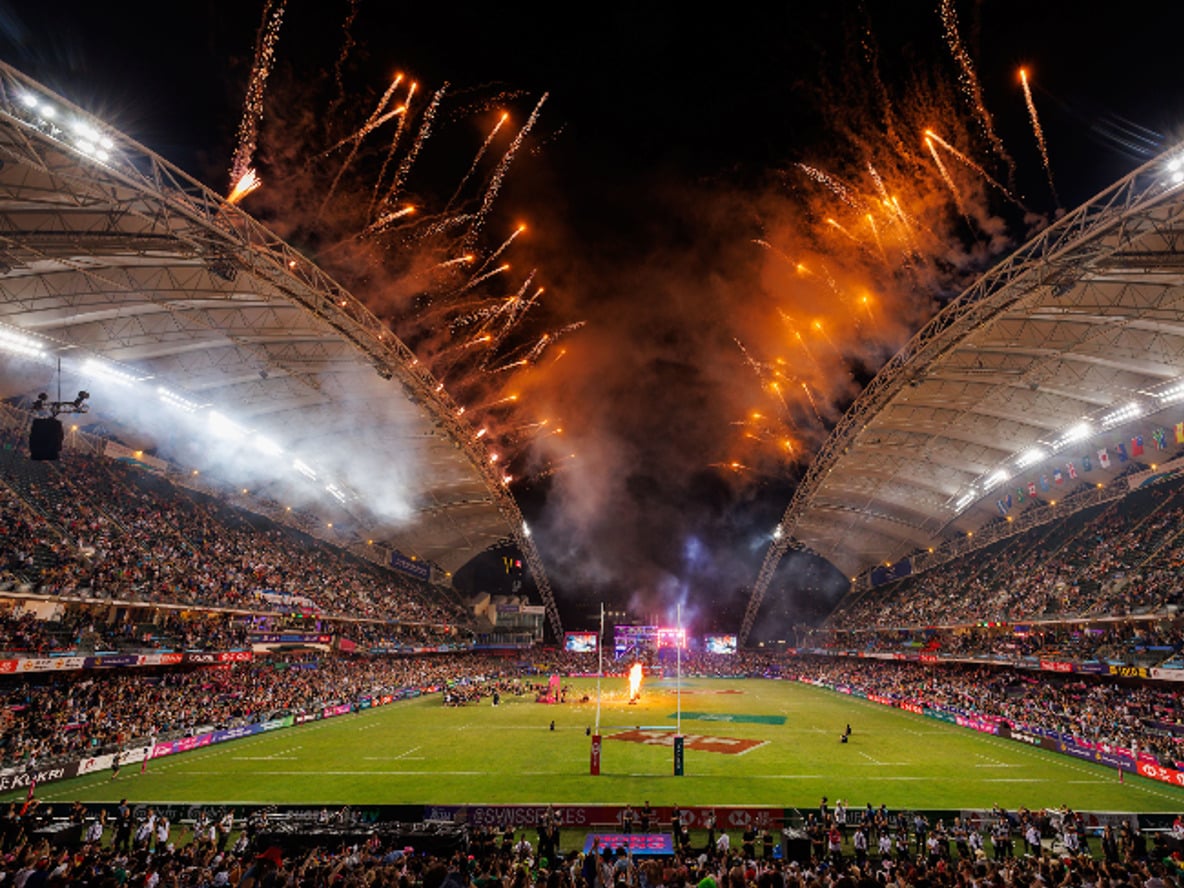
Developing sports as an industry and Hong Kong into a mega sports events capital are intrinsically intertwined, bringing immense social and economic benefits to the city. The "14th Five-Year Plan for Sports Development” puts forward the directive to promote tourism through sports proactively and to develop the sports tourism industry. At the same time, sports tourism is a new global trend, which, according to the UN World Tourism Organization, is estimated to reach an annual growth rate of 17.5% between 2023 and 2030. A prime example is the 2024 Hong Kong Sevens, where international visitors accounted for 40% of its attendees and was estimated to generate HK$320 million in economic benefits for Hong Kong.
This report will put forward 12 policy recommendations in three areas: events bidding and planning, enhancing sports infrastructure, and developing sportainment. Key recommendations include:
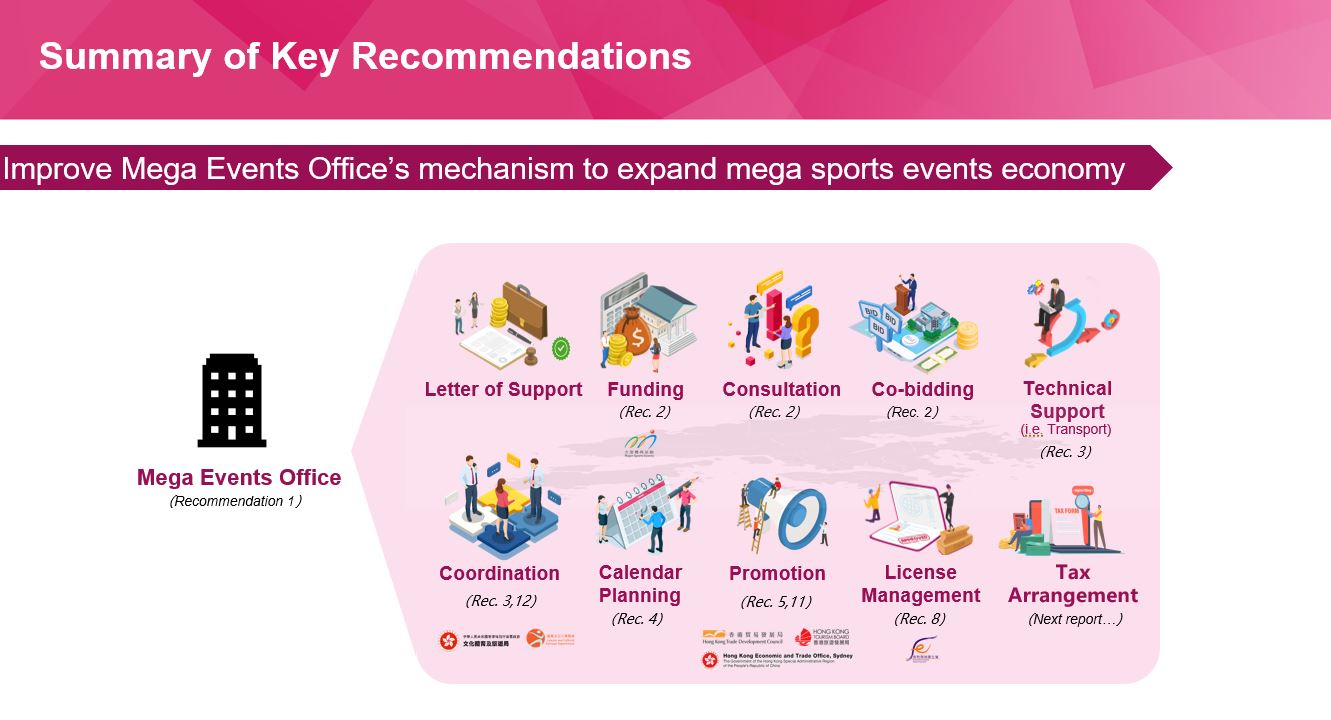
Establish a permanent Mega Events Office responsible for conducting cross-bureau coordination on the bidding and planning of major events based on the existing Mega Events Coordination Group;
Carry out a systematic review of LCSD sport facilities and implement improvement plans on existing major sports events venues;
Co-host and co-organize more regional and world-level multi-sports events with the Greater Bay Area. For instance, Hong Kong could consider co-hosting a new “Belt and Road” Games and play an important role as the Secretariat;
Utilize the Kai Tak Mobile Cabin Hospital area to develop sportainment venues.


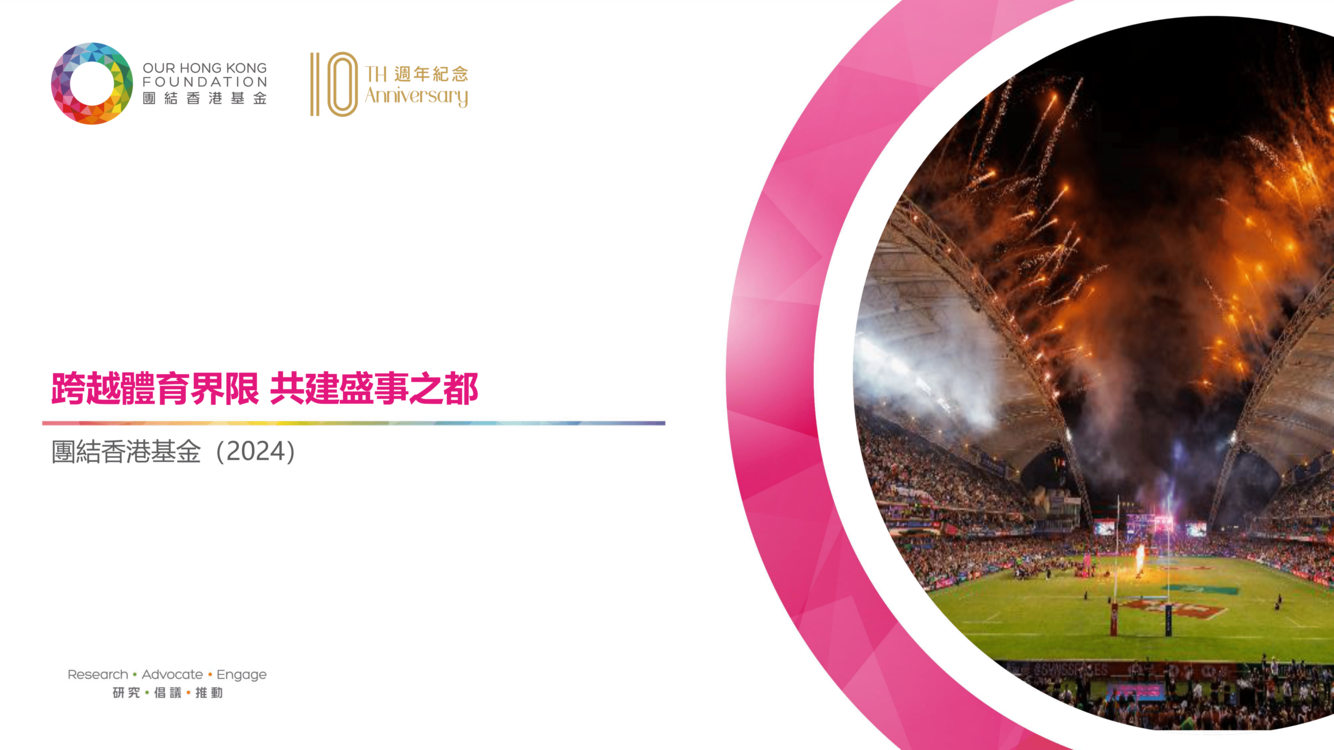


Our Hong Kong Foundation (OHKF) released a new policy advocacy report today titled, “Breaking Boundaries to Develop Hong Kong into a Mega Sports Events Capital”.
Hong Kong athletes have continued to make history in recent years, winning gold medals in two consecutive Olympic Games for the first time. Inspired by their sensational performance on the international stage, the city has been paying increasing attention to sports development. With the imminent opening of the Kai Tak Sports Park and the joint hosting of the 15th National Games by Guangdong, Hong Kong and Macau, Hong Kong should capitalize on the momentum and propel the development of the sports industry through sports events.
Developing sports as an industry and Hong Kong into a mega sports events capital are intrinsically intertwined, bringing immense social and economic benefits to the city. The "14th Five-Year Plan for Sports Development” puts forward the directive to promote tourism through sports proactively and to develop the sports tourism industry. At the same time, sports tourism is a new global trend, which, according to the UN World Tourism Organization, is estimated to reach an annual growth rate of 17.5% between 2023 and 2030. A prime example is the 2024 Hong Kong Sevens, where international visitors accounted for 40% of its attendees and was estimated to generate HK$320 million in economic benefits for Hong Kong.
This report will put forward 12 policy recommendations in three areas: events bidding and planning, enhancing sports infrastructure, and developing sportainment. Key recommendations include:
Establish a permanent Mega Events Office responsible for conducting cross-bureau coordination on the bidding and planning of major events based on the existing Mega Events Coordination Group;
Carry out a systematic review of LCSD sport facilities and implement improvement plans on existing major sports events venues;
Co-host and co-organize more regional and world-level multi-sports events with the Greater Bay Area. For instance, Hong Kong could consider co-hosting a new “Belt and Road” Games and play an important role as the Secretariat;
Utilize the Kai Tak Mobile Cabin Hospital area to develop sportainment venues.