






Transforming Chinese Medicine through System Development and Integration




Transforming Chinese Medicine through System Development and Integration

Our Hong Kong Foundation (OHKF) is launching its latest policy advocacy report titled “Transforming Chinese Medicine through System Development and Integration”. This report highlights that, as Hong Kong faces an aging population and an increase prevalence in chronic diseases, the Government is actively driving healthcare reform to focus more on prevention by strengthening primary healthcare. Chinese medicine (CM), with its principles of “preventive treatment of diseases (治未病)” and holistic care, aligns perfectly with this direction. Given the growing recognition of CM, as demonstrated by increased usage in recent years, Hong Kong should seize this opportunity to facilitate the CM system development and deepen its integration into the healthcare system.
Drawing on the World Health Organization's six key elements of healthcare system, OHKF combines insights from stakeholders and international case studies, to propose 15 recommendations targeting six key areas for CM development, including (1) leadership and governance, (2) service delivery, (3) health workforce, (4) healthcare financing, (5) health information systems, and (6) medical technology and clinical research. These observations and recommendations aim to enable CM to better leverage its unique advantages, enhance CM’s role in healthcare system and support the development of a comprehensive healthcare system in Hong Kong.

(Pillar 1) Leadership Governance
- Establish a CM Clinical Expert Panel
- Empower the Chinese Medicine Development Committee (CMDC)
(Pillar 2) Service Delivery
- Optimise Chinese Medicine Clinics cum Training and Research Centre (CMCTR) Operation Models
- Strengthen Chinese Medicine Practitioners (CMP)’s Involvement in Primary Healthcare Development
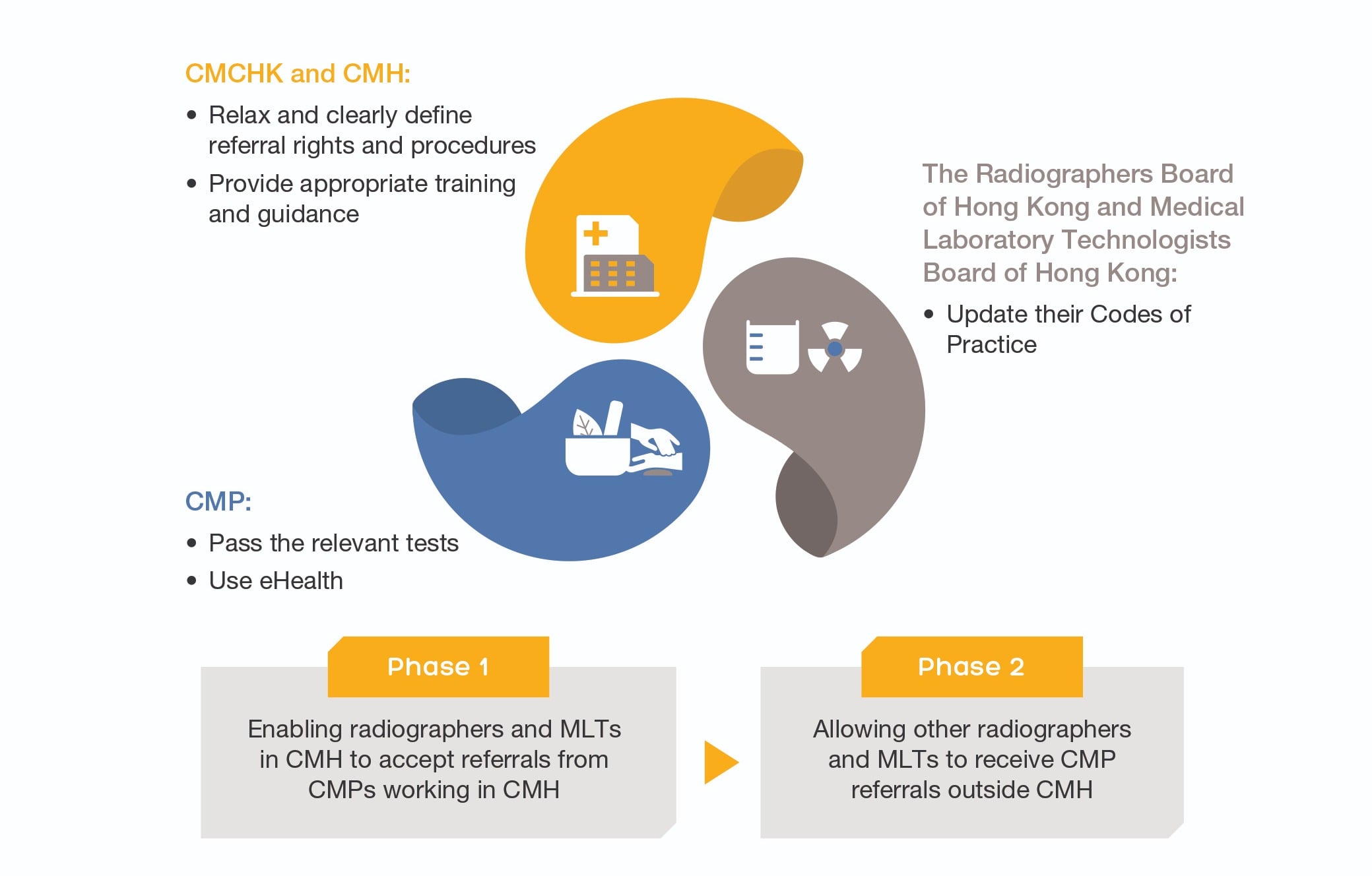
- Establish Referral Protocols for CM Service Providers
- Define Referral Rights and Procedures Among CMPs and other Healthcare Professionals
(Pillar 3) Health Workforce
- Evaluate the CM Manpower to Facilitate Service Planning
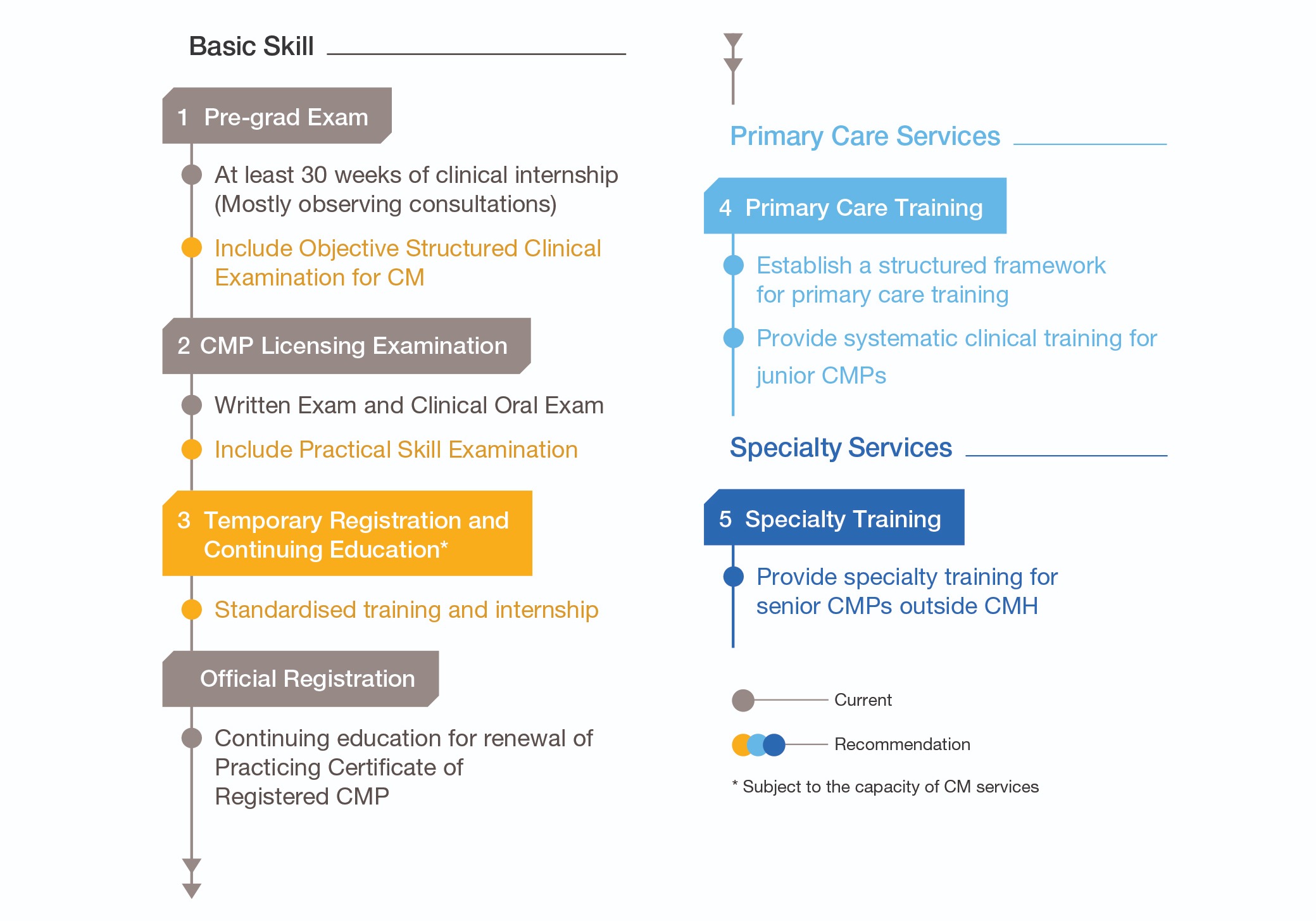
- Review the Current CMP Licensing Examination
- Enhance Systematic Continuing Education and Training
(Pillar 4) Health System Financing
- Adopt a Multi-Pronged Approach to Healthcare Financing
- Leverage Private CMPs for Public-Private Partnership (PPP)
(Pillar 5) Health Information System
- Incentivise CMPs to Join Primary Care Directory and Use eHealth
- Adopt a Patient-Centred Approach for the Expansion of the Scope of Information Sharing
(Pillar 6) Medical Technology & Clinical Research
- Create a Cross-Sector R&D Platform
- Promote the Provision of CM Telemedicine Services




Our Hong Kong Foundation (OHKF) is launching its latest policy advocacy report titled “Transforming Chinese Medicine through System Development and Integration”. This report highlights that, as Hong Kong faces an aging population and an increase prevalence in chronic diseases, the Government is actively driving healthcare reform to focus more on prevention by strengthening primary healthcare. Chinese medicine (CM), with its principles of “preventive treatment of diseases (治未病)” and holistic care, aligns perfectly with this direction. Given the growing recognition of CM, as demonstrated by increased usage in recent years, Hong Kong should seize this opportunity to facilitate the CM system development and deepen its integration into the healthcare system.
Drawing on the World Health Organization's six key elements of healthcare system, OHKF combines insights from stakeholders and international case studies, to propose 15 recommendations targeting six key areas for CM development, including (1) leadership and governance, (2) service delivery, (3) health workforce, (4) healthcare financing, (5) health information systems, and (6) medical technology and clinical research. These observations and recommendations aim to enable CM to better leverage its unique advantages, enhance CM’s role in healthcare system and support the development of a comprehensive healthcare system in Hong Kong.
(Pillar 1) Leadership Governance
- Establish a CM Clinical Expert Panel
- Empower the Chinese Medicine Development Committee (CMDC)
(Pillar 2) Service Delivery
- Optimise Chinese Medicine Clinics cum Training and Research Centre (CMCTR) Operation Models
- Strengthen Chinese Medicine Practitioners (CMP)’s Involvement in Primary Healthcare Development
- Establish Referral Protocols for CM Service Providers
- Define Referral Rights and Procedures Among CMPs and other Healthcare Professionals
(Pillar 3) Health Workforce
- Evaluate the CM Manpower to Facilitate Service Planning
- Review the Current CMP Licensing Examination
- Enhance Systematic Continuing Education and Training
(Pillar 4) Health System Financing
- Adopt a Multi-Pronged Approach to Healthcare Financing
- Leverage Private CMPs for Public-Private Partnership (PPP)
(Pillar 5) Health Information System
- Incentivise CMPs to Join Primary Care Directory and Use eHealth
- Adopt a Patient-Centred Approach for the Expansion of the Scope of Information Sharing
(Pillar 6) Medical Technology & Clinical Research
- Create a Cross-Sector R&D Platform
- Promote the Provision of CM Telemedicine Services