








How Hong Kong can host iconic sports events without copying others




How Hong Kong can host iconic sports events without copying others

The city’s natural beauty and spectacular cityscape are assets to be leveraged in its quest to become a one-of-its-kind events capital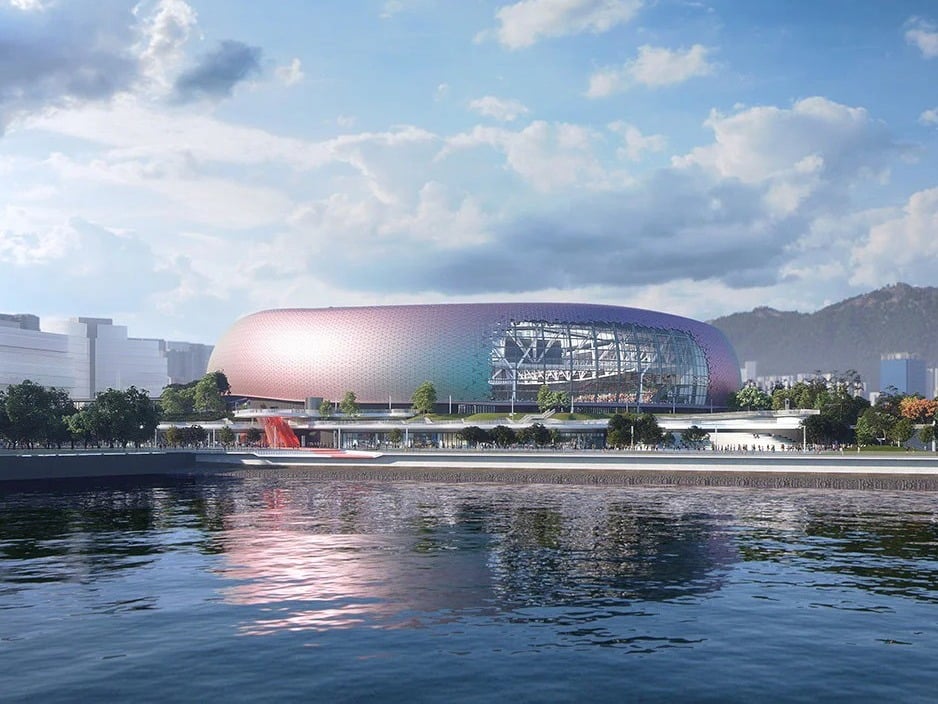
Hong Kong’s allure goes beyond its status as an international financial centre, offering a unique blend of tradition and modernity, East and West and urban and natural landscapes. To further invigorate its spirit and economy, the city aims to become an “events capital”, with sporting events poised to inject fresh vibrancy.
Developing Hong Kong’s sports event economy can yield significant economic benefits. The UN World Tourism Organization estimates that sports tourism accounts for about 10 per cent of global spending on tourism, with an anticipated annual growth rate exceeding 17 per cent from 2023 to 2030.
However, some neighbouring countries and regions have already earned strong reputations for hosting international sporting events by improving venue standards, cultivating sports talent and securing the necessary funding. Hong Kong faces challenges in these areas, and this is further complicated by a lack of usable land.
To become a competitive and attractive destination for sporting events, the approach to development must be tailored to Hong Kong’s unique nighttime cityscape and its abundant natural beauty.
One of Hong Kong’s stand-out features is its cityscape, which serves as a scenic backdrop for events such as the Hong Kong Marathon and International Dragon Boat Races. To further capitalise on this asset, the city’s nighttime skyline could be leveraged to add an extra “wow factor” to sporting events that appeals to tourists.
A prime example is Singapore’s Formula One Grand Prix. Sixteen years ago, Singapore took the bold step of hosting the first nighttime event in F1 history. Set in a new street circuit against the city’s illuminated skyline, it quickly became one of the most dramatic and atmospheric races on the F1 calendar, drawing more than 550,000 international visitors and generating about S$2 billion (US$1.6 billion) of incremental tourism receipts since its inception.
With a cityscape that is at least equally impressive, Hong Kong should consider how to transform its sporting events into nighttime spectacles, focusing not on bringing F1 to the city but rather carving out its own unique niche.
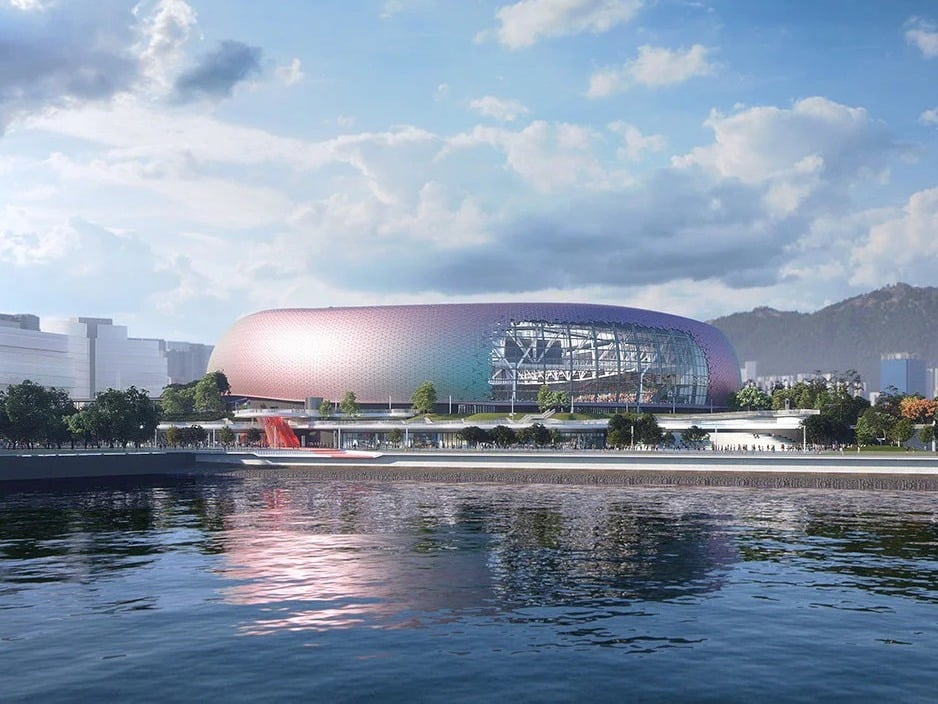
Looking ahead, perhaps Hong Kong could host 3x3 basketball, outdoor volleyball or even boxing matches at night, staged at the Central harbourfront amid the skyscrapers. With one of the best skylines in the world, Hong Kong should seize the opportunity to position its nighttime harbourfront as a vibrant sports venue.
Despite the city’s reputation as a concrete jungle, 75 per cent of Hong Kong’s land is undeveloped or protected green space. It also has a coastline that stretches more than 1,100 kilometres. Its natural blessings offers a variety of venues ideal for outdoor land and water competitions, which is significant given its limited land and sports infrastructure.
To maximise the unique blend of its natural and urban and showcase its diversity, Hong Kong should host more sporting events such as trail running, cycling and triathlons. For instance, the Hong Kong Cyclothon, the Hong Kong 100 Ultra Marathon and the World Triathlon Cup bring local and foreign racers on an adventure through the city’s mountains, coastline and concrete jungle. These long-distance races have the potential to help forge a unique branding for Hong Kong as “nature’s metropolis”.
Hong Kong should also be a pioneer in organising new types of outdoor sports events that have never been held in the city. For example, could the city host an annual paragliding festival to showcase its breathtaking aerial views? What about bouldering or coasteering competitions to highlight its impressive mountains and cliffs?
With the right safety measures in place, Hong Kong could even host annual nighttime sailing regattas in Victoria Harbour, illuminating the waterfront with the lights of gliding sailing boats. From the air to land to water, the opportunities for nature to serve as sports venues in Hong Kong are limitless.
Finally, to amplify the scale and impact of these sporting events, Hong Kong should implement a citywide strategy that connects the city’s “wild side” with its urban environment, by blanketing the entire city with sport-themed activities. This would create an even more immersive experience for locals and visitors.
For instance, we could host concerts featuring world-renowned artists, outdoor sports film screenings and sport-related street fairs. These could be aligned with other large-scale events and even sports education programmes across districts. Such a multifaceted approach would accentuate the city’s nightscape and natural terrains, enhance the scale of the events and attract even more tourists to Hong Kong.
Ultimately, a well-coordinated sports event can significantly boost the city’s social and economic development. Take this year’s Tour de France. Covering about 3,500km from Florence to Nice and traversing smaller towns, it was estimated to have generated over US$955 million in related spending. While Hong Kong is much smaller than France, it is also one of a few places around the world that can seamlessly integrate its urban landscape with its natural beauty, offering an unparalleled experience for residents and visitors alike.
The goal is not to compete with other global events like the Tour de France but to leverage the city’s advantages to forge a path of its own. With concerted effort, Hong Kong can achieve the scale, visibility and public engagement seen in overseas competitions.
Hong Kong has a chance to redefine its identity as a vibrant sports tourism hub. By leveraging its nighttime skyline and great outdoors, the city can host one-of-a-kind sporting events that capture the hearts of visitors and reinvigorate the local economy, paving the path for Hong Kong to become a top-notch sports events capital.


The city’s natural beauty and spectacular cityscape are assets to be leveraged in its quest to become a one-of-its-kind events capital
Hong Kong’s allure goes beyond its status as an international financial centre, offering a unique blend of tradition and modernity, East and West and urban and natural landscapes. To further invigorate its spirit and economy, the city aims to become an “events capital”, with sporting events poised to inject fresh vibrancy.
Developing Hong Kong’s sports event economy can yield significant economic benefits. The UN World Tourism Organization estimates that sports tourism accounts for about 10 per cent of global spending on tourism, with an anticipated annual growth rate exceeding 17 per cent from 2023 to 2030.
However, some neighbouring countries and regions have already earned strong reputations for hosting international sporting events by improving venue standards, cultivating sports talent and securing the necessary funding. Hong Kong faces challenges in these areas, and this is further complicated by a lack of usable land.
To become a competitive and attractive destination for sporting events, the approach to development must be tailored to Hong Kong’s unique nighttime cityscape and its abundant natural beauty.
One of Hong Kong’s stand-out features is its cityscape, which serves as a scenic backdrop for events such as the Hong Kong Marathon and International Dragon Boat Races. To further capitalise on this asset, the city’s nighttime skyline could be leveraged to add an extra “wow factor” to sporting events that appeals to tourists.
A prime example is Singapore’s Formula One Grand Prix. Sixteen years ago, Singapore took the bold step of hosting the first nighttime event in F1 history. Set in a new street circuit against the city’s illuminated skyline, it quickly became one of the most dramatic and atmospheric races on the F1 calendar, drawing more than 550,000 international visitors and generating about S$2 billion (US$1.6 billion) of incremental tourism receipts since its inception.
With a cityscape that is at least equally impressive, Hong Kong should consider how to transform its sporting events into nighttime spectacles, focusing not on bringing F1 to the city but rather carving out its own unique niche.
Looking ahead, perhaps Hong Kong could host 3x3 basketball, outdoor volleyball or even boxing matches at night, staged at the Central harbourfront amid the skyscrapers. With one of the best skylines in the world, Hong Kong should seize the opportunity to position its nighttime harbourfront as a vibrant sports venue.
Despite the city’s reputation as a concrete jungle, 75 per cent of Hong Kong’s land is undeveloped or protected green space. It also has a coastline that stretches more than 1,100 kilometres. Its natural blessings offers a variety of venues ideal for outdoor land and water competitions, which is significant given its limited land and sports infrastructure.
To maximise the unique blend of its natural and urban and showcase its diversity, Hong Kong should host more sporting events such as trail running, cycling and triathlons. For instance, the Hong Kong Cyclothon, the Hong Kong 100 Ultra Marathon and the World Triathlon Cup bring local and foreign racers on an adventure through the city’s mountains, coastline and concrete jungle. These long-distance races have the potential to help forge a unique branding for Hong Kong as “nature’s metropolis”.
Hong Kong should also be a pioneer in organising new types of outdoor sports events that have never been held in the city. For example, could the city host an annual paragliding festival to showcase its breathtaking aerial views? What about bouldering or coasteering competitions to highlight its impressive mountains and cliffs?
With the right safety measures in place, Hong Kong could even host annual nighttime sailing regattas in Victoria Harbour, illuminating the waterfront with the lights of gliding sailing boats. From the air to land to water, the opportunities for nature to serve as sports venues in Hong Kong are limitless.
Finally, to amplify the scale and impact of these sporting events, Hong Kong should implement a citywide strategy that connects the city’s “wild side” with its urban environment, by blanketing the entire city with sport-themed activities. This would create an even more immersive experience for locals and visitors.
For instance, we could host concerts featuring world-renowned artists, outdoor sports film screenings and sport-related street fairs. These could be aligned with other large-scale events and even sports education programmes across districts. Such a multifaceted approach would accentuate the city’s nightscape and natural terrains, enhance the scale of the events and attract even more tourists to Hong Kong.
Ultimately, a well-coordinated sports event can significantly boost the city’s social and economic development. Take this year’s Tour de France. Covering about 3,500km from Florence to Nice and traversing smaller towns, it was estimated to have generated over US$955 million in related spending. While Hong Kong is much smaller than France, it is also one of a few places around the world that can seamlessly integrate its urban landscape with its natural beauty, offering an unparalleled experience for residents and visitors alike.
The goal is not to compete with other global events like the Tour de France but to leverage the city’s advantages to forge a path of its own. With concerted effort, Hong Kong can achieve the scale, visibility and public engagement seen in overseas competitions.
Hong Kong has a chance to redefine its identity as a vibrant sports tourism hub. By leveraging its nighttime skyline and great outdoors, the city can host one-of-a-kind sporting events that capture the hearts of visitors and reinvigorate the local economy, paving the path for Hong Kong to become a top-notch sports events capital.