











The Basic Law means land resumption in New Territories to build more housing isn’t so simple




The Basic Law means land resumption in New Territories to build more housing isn’t so simple

Authors: Ryan Ip, senior researcher and Latifah Sat, assistant researcher at the Public Policy Institute of Our Hong Kong Foundation
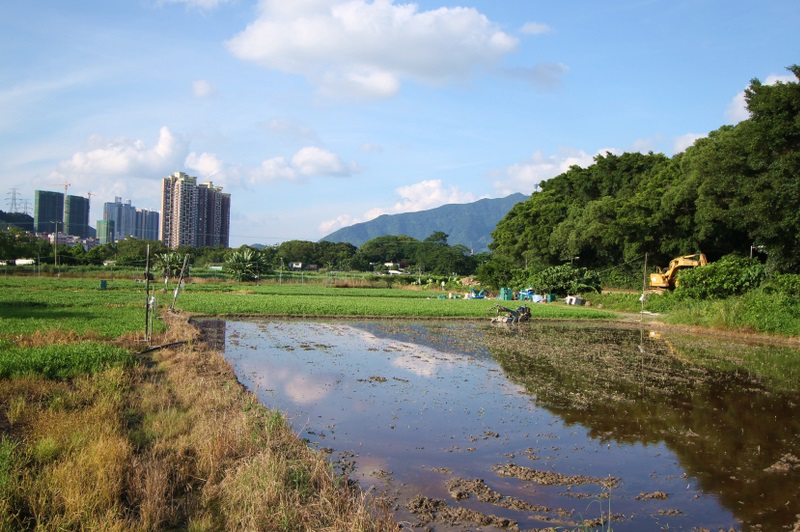
In our big debate on where to find land in Hong Kong for affordable housing, some commentators have argued that the government should compulsorily resume large plots of private agricultural land in the New Territories, using the powers vested in it by the Lands Resumption Ordinance. They say the legislation’s sweeping powers will ensure expediency, legal clarity and a low risk of litigation.
However, these commentators have overlooked the nuances of this piece of legislation. The ordinance is not as unfettered as its language suggests.
Dated from the 19th century, the ordinance states firmly that the government can take back “any land” from private owners “whenever” it decides it is “required for a public purpose”. However, this language must now be interpreted through the lens of modern legal developments.
Under the Basic Law, the right of private ownership of property enjoys greater judicial protection than before. This was elucidated recently in the case of Hysan Development vs Town Planning Board, where Hysan challenged planning restrictions on their properties by the Town Planning Board on the grounds that the restrictions were unlawful interferences with their constitutional property rights.
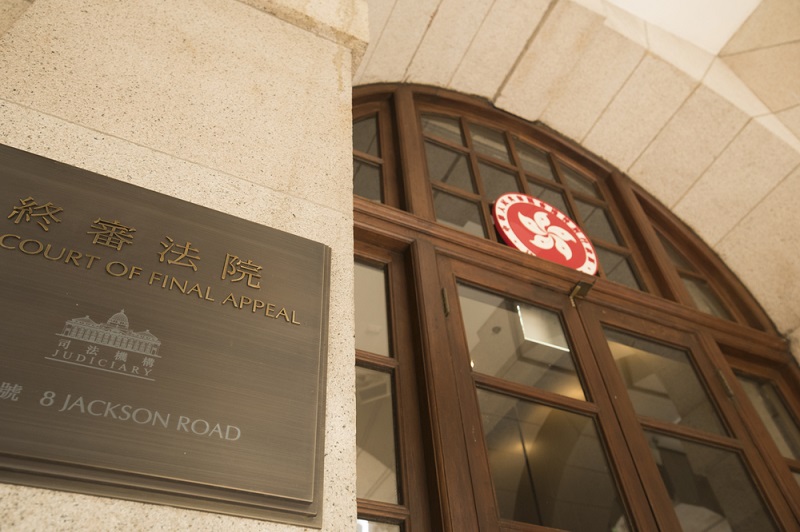
For the first time, the Court of Final Appeal ruled that the right to private property under the Basic Law is protected by the principle of proportionality, which asks whether a reasonable balance is reflected between the public interest pursued by a government decision and the right of an individual or group negatively affected by that decision. Thus, in Hysan, the principle of proportionality was used as a shield against a government act that curtailed private property rights, and this will most likely be extended to the Land Resumption Ordinance. Therefore, the ordinance is not as unfettered as its language suggests.
A consequence of invoking proportionality in Hysan is that a myriad of new issues can be argued before the courts, such as whether the resumption is in pursuit of a legitimate aim, or whether the landowner has suffered an individual and excessive burden in having their land resumed.
The range of unanswered questions and the fact that the outcome turns on the facts of each case may encourage developers to go to court. Time and resources will be spent on litigating whether the deprivation of a piece of land is proportionate, and its development potential will remain locked up.
Some might question why there has never been a rights-based judicial review challenge regarding the Lands Resumption Ordinance, even though the Basic Law has been in operation for over 20 years. The answer is simple: there has not been any large-scale land development since the handover that would trigger such a judicial review. The ordinance was only invoked to facilitate small-scale public works and urban redevelopment projects.
Moreover, the government exercised caution whenever it invoked the ordinance. While the ordinance was used 154 times from 1997 to 2017, only eight judicial review challenges arose from urban redevelopment projects. Because the government only invoked the ordinance when it was certain of its legality, the challenges were all dismissed.
By contrast, land resumption for large-scale development in the rural New Territories involving more stakeholders is untested post-Basic Law. Combined with the newly applicable principle of proportionality, the government cannot be certain when invoking the ordinance that it will be upheld or quashed by the courts. The government’s litigation success rate in the past cannot be extrapolated into the present context.
Paradoxically, if we proceed with large-scale land resumption anyway, the ordinance’s power may become more restrictive. Suppose that a developer wins its case, and the court holds that the land resumption interferes disproportionately with its property rights. The courts ruling on subsequent cases will follow this precedent. Consequently, land resumption may become more difficult and its application more uncertain, even for routine urban renewal projects.
In short, the Basic Law, the decision in Hysan and the scale of development all indicate that the risk of litigation upon using the Lands Resumption Ordinance is much higher than a lot of casual commentators suggest. The outcome of litigation also remains equivocal. Even if the government succeeds in defending the resumption, time will be wasted while the land remains undeveloped.
In light of these considerations, we question how some can be so confident that using the Lands Resumption Ordinance in the New Territories will be an expedient land supply option.


Authors: Ryan Ip, senior researcher and Latifah Sat, assistant researcher at the Public Policy Institute of Our Hong Kong Foundation
In our big debate on where to find land in Hong Kong for affordable housing, some commentators have argued that the government should compulsorily resume large plots of private agricultural land in the New Territories, using the powers vested in it by the Lands Resumption Ordinance. They say the legislation’s sweeping powers will ensure expediency, legal clarity and a low risk of litigation.
However, these commentators have overlooked the nuances of this piece of legislation. The ordinance is not as unfettered as its language suggests.
Dated from the 19th century, the ordinance states firmly that the government can take back “any land” from private owners “whenever” it decides it is “required for a public purpose”. However, this language must now be interpreted through the lens of modern legal developments.
Under the Basic Law, the right of private ownership of property enjoys greater judicial protection than before. This was elucidated recently in the case of Hysan Development vs Town Planning Board, where Hysan challenged planning restrictions on their properties by the Town Planning Board on the grounds that the restrictions were unlawful interferences with their constitutional property rights.
For the first time, the Court of Final Appeal ruled that the right to private property under the Basic Law is protected by the principle of proportionality, which asks whether a reasonable balance is reflected between the public interest pursued by a government decision and the right of an individual or group negatively affected by that decision. Thus, in Hysan, the principle of proportionality was used as a shield against a government act that curtailed private property rights, and this will most likely be extended to the Land Resumption Ordinance. Therefore, the ordinance is not as unfettered as its language suggests.
A consequence of invoking proportionality in Hysan is that a myriad of new issues can be argued before the courts, such as whether the resumption is in pursuit of a legitimate aim, or whether the landowner has suffered an individual and excessive burden in having their land resumed.
The range of unanswered questions and the fact that the outcome turns on the facts of each case may encourage developers to go to court. Time and resources will be spent on litigating whether the deprivation of a piece of land is proportionate, and its development potential will remain locked up.
Some might question why there has never been a rights-based judicial review challenge regarding the Lands Resumption Ordinance, even though the Basic Law has been in operation for over 20 years. The answer is simple: there has not been any large-scale land development since the handover that would trigger such a judicial review. The ordinance was only invoked to facilitate small-scale public works and urban redevelopment projects.
Moreover, the government exercised caution whenever it invoked the ordinance. While the ordinance was used 154 times from 1997 to 2017, only eight judicial review challenges arose from urban redevelopment projects. Because the government only invoked the ordinance when it was certain of its legality, the challenges were all dismissed.
By contrast, land resumption for large-scale development in the rural New Territories involving more stakeholders is untested post-Basic Law. Combined with the newly applicable principle of proportionality, the government cannot be certain when invoking the ordinance that it will be upheld or quashed by the courts. The government’s litigation success rate in the past cannot be extrapolated into the present context.
Paradoxically, if we proceed with large-scale land resumption anyway, the ordinance’s power may become more restrictive. Suppose that a developer wins its case, and the court holds that the land resumption interferes disproportionately with its property rights. The courts ruling on subsequent cases will follow this precedent. Consequently, land resumption may become more difficult and its application more uncertain, even for routine urban renewal projects.
In short, the Basic Law, the decision in Hysan and the scale of development all indicate that the risk of litigation upon using the Lands Resumption Ordinance is much higher than a lot of casual commentators suggest. The outcome of litigation also remains equivocal. Even if the government succeeds in defending the resumption, time will be wasted while the land remains undeveloped.
In light of these considerations, we question how some can be so confident that using the Lands Resumption Ordinance in the New Territories will be an expedient land supply option.