










Solving housing problems hand-in-hand with the private market




Solving housing problems hand-in-hand with the private market

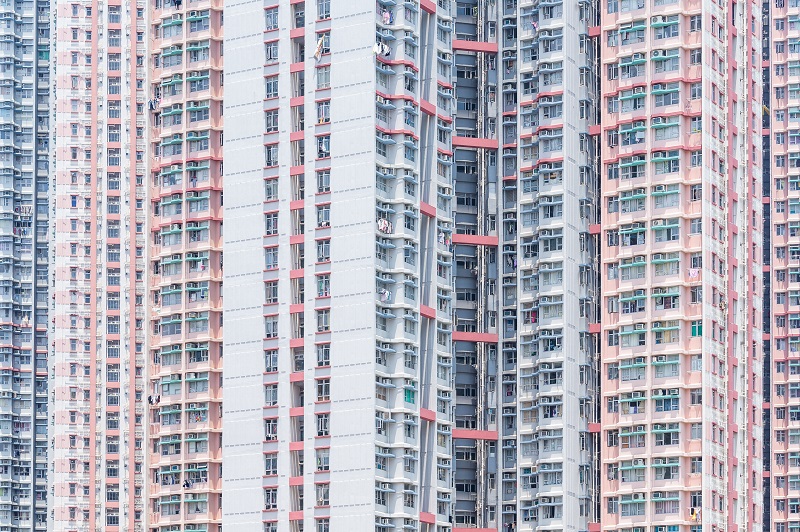
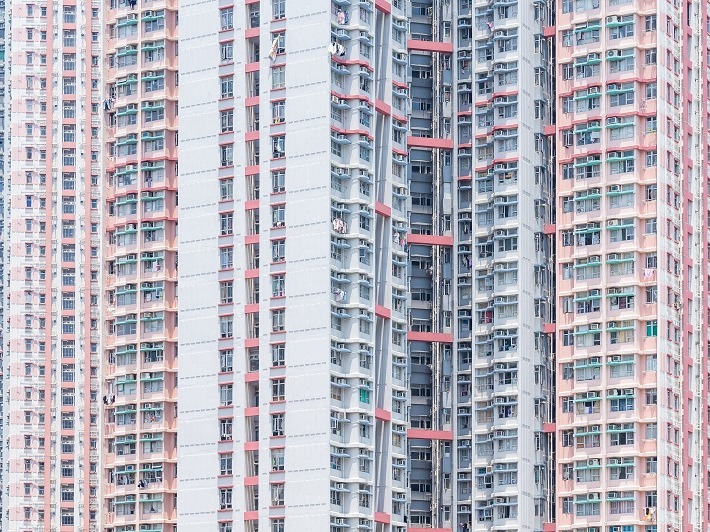
A social enterprise founded by a private developer has recently launched Hong Kong’s first not-for-profit privately subsidised housing project. The developer donates a plot of land located in the New Territories West to the social enterprise for development, and then the flats will be sold to homebuyers who meet the criteria of the Home Ownership Scheme. Although it is just a pilot scheme, the Government’s openness to this project is encouraging. It is hoped that after the pioneering scheme takes the lead, others will follow. By putting our heads together and with concerted efforts, there is a chance to solve Hong Kong’s long-standing housing problems.
An innovative mindset to ease housing problems
While some details of the plan have yet to be announced, the scheme includes a progressive mortgage payment scheme with affordable down payment followed by low instalments to lessen first-time homebuyers’ burden. This is definitely an innovative way to tackle housing problems. As changes to existing policies on property sales and mortgage loans are involved, discussion with the Government and banks is necessary regarding the execution details. For most citizens, the major obstacle to buying their first homes is the unaffordable down payments. It is hoped that relevant parties can reach consensus through pragmatic discussion so that more accommodation options can be added to the property ladder to benefit all citizens.
Improving living quality through ample living space
The pilot scheme proposes constructing 300 units with 300-550 sq. feet of saleable sizes, ranging from one bedroom to three bedrooms, to improve living quality and allow more residential space. Indeed, the current average living space per person in Hong Kong is the tiniest in Asia at only 161 sq. ft., which is even smaller than 1.5 parking lots! The revised “Hong Kong 2030+: Towards a Planning Vision and Strategy Transcending 2030” announced by the Government earlier states that the target for the per capita living area will be 30-50% more than the current size, increasing it to 215-237 sq. ft. If Hong Kong is to emulate Singapore, the average living area per person should increase by 60% instead, let alone catching up with Shenzhen where the average living space per capita doubles ours. The scheme is just the first step to solving our housing problems.
At present, the major issue mainly revolves around land premium. The social enterprise offers prices as low as 50%-60% of the market price, similar to that of the existing Home Ownership Scheme. This can only be realised with the Government’s concession on land premium. Under the Home Ownership Scheme, the Housing Authority is required to pay the Government 35% of the development cost for the Government’s provision of site formation and supporting infrastructure. Besides, a nominal land premium of $1,000 will be charged by the Government.
Transparency can avoid dispute
For subsidised housing developed by the Hong Kong Housing Society, a well-established independent private non-profit-making organisation, the Government charges one-third of land premium. Although the social enterprise responsible for the pilot scheme is also not-for-profit, a private developer is involved. Transparency in land premium is particularly important to avoid any dispute.
According to OHKF’s statistics, there is a shortfall of 100,000 public housing units in aggregate in the past eight years. In comparison, the proposed number of units in the pilot scheme is not significant. Nevertheless, it is hoped that the scheme can galvanise different stakeholders into resolving Hong Kong housing problems proactively together. The Government can also consider joining hands with the private market through other means, such as re-introducing the private sector participation scheme to public housing development. Only with a multi-pronged approach can Hong Kong’s housing issues be settled.


A social enterprise founded by a private developer has recently launched Hong Kong’s first not-for-profit privately subsidised housing project. The developer donates a plot of land located in the New Territories West to the social enterprise for development, and then the flats will be sold to homebuyers who meet the criteria of the Home Ownership Scheme. Although it is just a pilot scheme, the Government’s openness to this project is encouraging. It is hoped that after the pioneering scheme takes the lead, others will follow. By putting our heads together and with concerted efforts, there is a chance to solve Hong Kong’s long-standing housing problems.
An innovative mindset to ease housing problems
While some details of the plan have yet to be announced, the scheme includes a progressive mortgage payment scheme with affordable down payment followed by low instalments to lessen first-time homebuyers’ burden. This is definitely an innovative way to tackle housing problems. As changes to existing policies on property sales and mortgage loans are involved, discussion with the Government and banks is necessary regarding the execution details. For most citizens, the major obstacle to buying their first homes is the unaffordable down payments. It is hoped that relevant parties can reach consensus through pragmatic discussion so that more accommodation options can be added to the property ladder to benefit all citizens.
Improving living quality through ample living space
The pilot scheme proposes constructing 300 units with 300-550 sq. feet of saleable sizes, ranging from one bedroom to three bedrooms, to improve living quality and allow more residential space. Indeed, the current average living space per person in Hong Kong is the tiniest in Asia at only 161 sq. ft., which is even smaller than 1.5 parking lots! The revised “Hong Kong 2030+: Towards a Planning Vision and Strategy Transcending 2030” announced by the Government earlier states that the target for the per capita living area will be 30-50% more than the current size, increasing it to 215-237 sq. ft. If Hong Kong is to emulate Singapore, the average living area per person should increase by 60% instead, let alone catching up with Shenzhen where the average living space per capita doubles ours. The scheme is just the first step to solving our housing problems.
At present, the major issue mainly revolves around land premium. The social enterprise offers prices as low as 50%-60% of the market price, similar to that of the existing Home Ownership Scheme. This can only be realised with the Government’s concession on land premium. Under the Home Ownership Scheme, the Housing Authority is required to pay the Government 35% of the development cost for the Government’s provision of site formation and supporting infrastructure. Besides, a nominal land premium of $1,000 will be charged by the Government.
Transparency can avoid dispute
For subsidised housing developed by the Hong Kong Housing Society, a well-established independent private non-profit-making organisation, the Government charges one-third of land premium. Although the social enterprise responsible for the pilot scheme is also not-for-profit, a private developer is involved. Transparency in land premium is particularly important to avoid any dispute.
According to OHKF’s statistics, there is a shortfall of 100,000 public housing units in aggregate in the past eight years. In comparison, the proposed number of units in the pilot scheme is not significant. Nevertheless, it is hoped that the scheme can galvanise different stakeholders into resolving Hong Kong housing problems proactively together. The Government can also consider joining hands with the private market through other means, such as re-introducing the private sector participation scheme to public housing development. Only with a multi-pronged approach can Hong Kong’s housing issues be settled.