





Establishing an AI Education Framework to Nurture a New Generation of Critical Thinkers




Establishing an AI Education Framework to Nurture a New Generation of Critical Thinkers

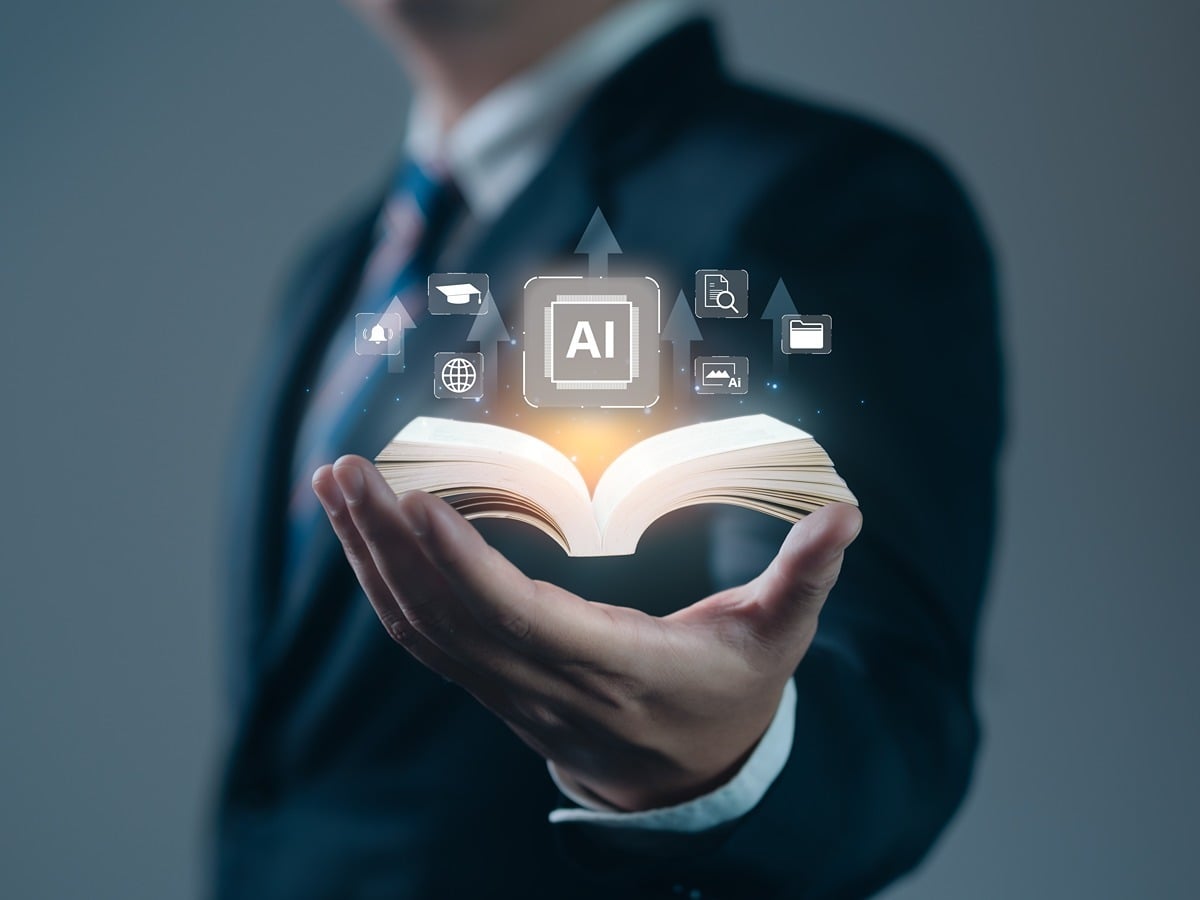
Imagine 2 secondary school students using artificial intelligence (AI) tools to complete a science assignment. Student A instructs the AI to list the 5 steps of photosynthesis and easily scores full marks.
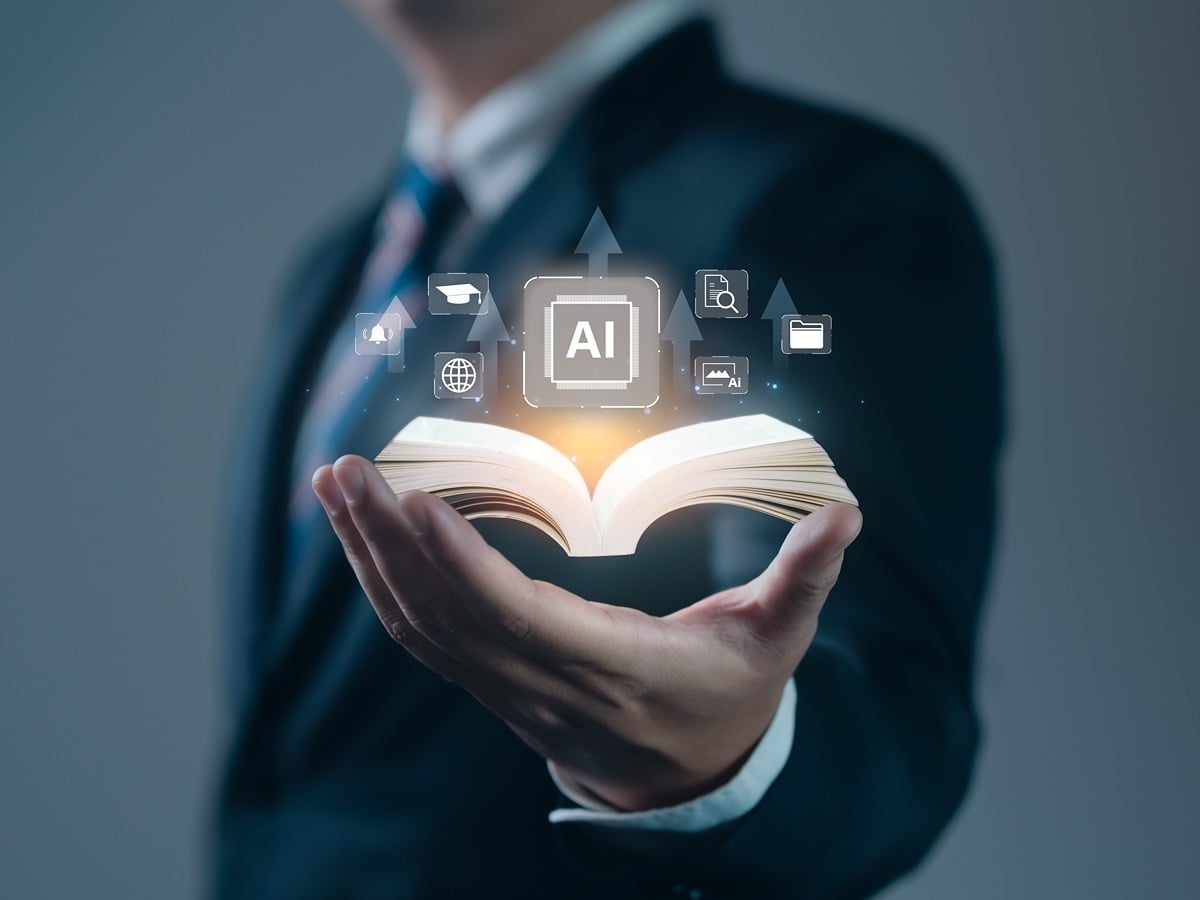
Meanwhile, Student B follows the teacher’s suggestion and prompts the AI, “Teach me the 5 steps of photosynthesis through a story.” The AI responds with a factory analogy, guiding the student through the process step by step. This approach is more time-consuming, and the final answer and grade may not be ideal.
Knowledge Internalisation — Not a Race for Speed and Marks
A single tool, 2 approaches—should we pursue speed and marks, or critical thinking and the internalisation of knowledge?
The Government has explicitly incorporated AI into the core curriculum framework. In the 2025 Policy Address, HKD 2 billion was earmarked to support digital education in primary and secondary schools, and the Blueprint for Digital Education Development in Primary and Secondary Schools will be announced within this year.
In addition, the Education Bureau launched the AI for Empowering Learning and Teaching Funding Programme at the end of last year, providing HKD 500,000 for each school to purchase AI teaching aids and equipment, promoting the application of AI across different subjects.
Promoting AI education has become a global trend. UNESCO has formulated separate “human-centred” AI literacy frameworks for teachers and students. For teachers, it has outlined pedagogy and professional development pathways for the AI era. For students, it has identified 12 key competencies, including creativity, critical thinking, and problem-solving.
Setting Ethical Standards and Integrating AI into Teaching in an Orderly Way
Moreover, last year, the Chinese Mainland revised its “Guidelines for artificial intelligence (AI) general education in primary and secondary schools” and “Guidelines for the use of generative AI in primary and secondary schools”. These measures aim to foster comprehensive AI literacy, helping students adapt to technological advances and nurturing future innovators.
In light of this, Our Hong Kong Foundation conducted a survey of 1,200 students, teachers, and principals to examine AI’s role in local education. According to the findings, over 90% of teachers and students in Hong Kong widely use AI tools in their daily activities. Specifically, teachers typically employ AI for administrative tasks and supporting instruction, while students mainly use it for information gathering and completing homework.
While AI tools have become part of everyday life, we must also recognise the potential risks. As illustrated earlier with Student A, although AI can expedite homework completion, there is a risk of diminishing students’ capacity for self-based learning and deep thinking over time – a phenomenon analogous to the boiling frog syndrome.
To guide teachers and students in using AI appropriately, the Education Bureau could consider formulating a territory-wide framework for AI application in education, specifying clear standards and ethical guidelines for AI use. Drawing from paradigms in other regions, Hong Kong could require that all educational data processed by AI tools be handled locally to ensure safety. Additionally, pedagogically driven guidelines for teachers should be developed to ensure age-appropriate AI use, avoid superficial applications, and genuinely enhance learning outcomes.
In addition, the framework could include contextual examples for different subjects and be updated regularly to keep pace with technological advancement, helping teachers systematically integrate AI into teaching.
The survey also found that teachers and students generally use internationally accessible open-source AI platforms (such as DeepSeek, Poe, and Doubao). However, these platforms are not designed for educational purposes, and dialogue data could be used for model training or diverted to non-educational uses. Furthermore, many schools have developed their own generative AI tools, focusing on handling lesson plans or exercises designed by teachers. Yet, with hundreds of schools independently creating similar tools to meet the same DSE curriculum requirements, overlaps and redundancies are inevitable.
Establishing a Territory-wide Education Resource Platform
Therefore, it is recommended establishing a territory-wide education resource platform, which would conserve resources, ensure that tools are tailored to local teachers and students, and facilitate sharing and collaboration amongst schools, ultimately improving the quality of education.
Technology, much like a double-edged sword, must be wielded with caution, primarily by equipping teachers and students with a clear AI literacy framework and a shared resource platform. In advancing education, the focus should not be solely on the quantity of high-tech equipment purchased, but on how effectively it is utilised and whether we can cultivate a generation equipped with critical thinking skills and the agility to adapt to continuous change.


Imagine 2 secondary school students using artificial intelligence (AI) tools to complete a science assignment. Student A instructs the AI to list the 5 steps of photosynthesis and easily scores full marks.
Meanwhile, Student B follows the teacher’s suggestion and prompts the AI, “Teach me the 5 steps of photosynthesis through a story.” The AI responds with a factory analogy, guiding the student through the process step by step. This approach is more time-consuming, and the final answer and grade may not be ideal.
Knowledge Internalisation — Not a Race for Speed and Marks
A single tool, 2 approaches—should we pursue speed and marks, or critical thinking and the internalisation of knowledge?
The Government has explicitly incorporated AI into the core curriculum framework. In the 2025 Policy Address, HKD 2 billion was earmarked to support digital education in primary and secondary schools, and the Blueprint for Digital Education Development in Primary and Secondary Schools will be announced within this year.
In addition, the Education Bureau launched the AI for Empowering Learning and Teaching Funding Programme at the end of last year, providing HKD 500,000 for each school to purchase AI teaching aids and equipment, promoting the application of AI across different subjects.
Promoting AI education has become a global trend. UNESCO has formulated separate “human-centred” AI literacy frameworks for teachers and students. For teachers, it has outlined pedagogy and professional development pathways for the AI era. For students, it has identified 12 key competencies, including creativity, critical thinking, and problem-solving.
Setting Ethical Standards and Integrating AI into Teaching in an Orderly Way
Moreover, last year, the Chinese Mainland revised its “Guidelines for artificial intelligence (AI) general education in primary and secondary schools” and “Guidelines for the use of generative AI in primary and secondary schools”. These measures aim to foster comprehensive AI literacy, helping students adapt to technological advances and nurturing future innovators.
In light of this, Our Hong Kong Foundation conducted a survey of 1,200 students, teachers, and principals to examine AI’s role in local education. According to the findings, over 90% of teachers and students in Hong Kong widely use AI tools in their daily activities. Specifically, teachers typically employ AI for administrative tasks and supporting instruction, while students mainly use it for information gathering and completing homework.
While AI tools have become part of everyday life, we must also recognise the potential risks. As illustrated earlier with Student A, although AI can expedite homework completion, there is a risk of diminishing students’ capacity for self-based learning and deep thinking over time – a phenomenon analogous to the boiling frog syndrome.
To guide teachers and students in using AI appropriately, the Education Bureau could consider formulating a territory-wide framework for AI application in education, specifying clear standards and ethical guidelines for AI use. Drawing from paradigms in other regions, Hong Kong could require that all educational data processed by AI tools be handled locally to ensure safety. Additionally, pedagogically driven guidelines for teachers should be developed to ensure age-appropriate AI use, avoid superficial applications, and genuinely enhance learning outcomes.
In addition, the framework could include contextual examples for different subjects and be updated regularly to keep pace with technological advancement, helping teachers systematically integrate AI into teaching.
The survey also found that teachers and students generally use internationally accessible open-source AI platforms (such as DeepSeek, Poe, and Doubao). However, these platforms are not designed for educational purposes, and dialogue data could be used for model training or diverted to non-educational uses. Furthermore, many schools have developed their own generative AI tools, focusing on handling lesson plans or exercises designed by teachers. Yet, with hundreds of schools independently creating similar tools to meet the same DSE curriculum requirements, overlaps and redundancies are inevitable.
Establishing a Territory-wide Education Resource Platform
Therefore, it is recommended establishing a territory-wide education resource platform, which would conserve resources, ensure that tools are tailored to local teachers and students, and facilitate sharing and collaboration amongst schools, ultimately improving the quality of education.
Technology, much like a double-edged sword, must be wielded with caution, primarily by equipping teachers and students with a clear AI literacy framework and a shared resource platform. In advancing education, the focus should not be solely on the quantity of high-tech equipment purchased, but on how effectively it is utilised and whether we can cultivate a generation equipped with critical thinking skills and the agility to adapt to continuous change.