









Lacunae in Land Planning: Undersized, Undersupplied and Underestimated




Lacunae in Land Planning: Undersized, Undersupplied and Underestimated

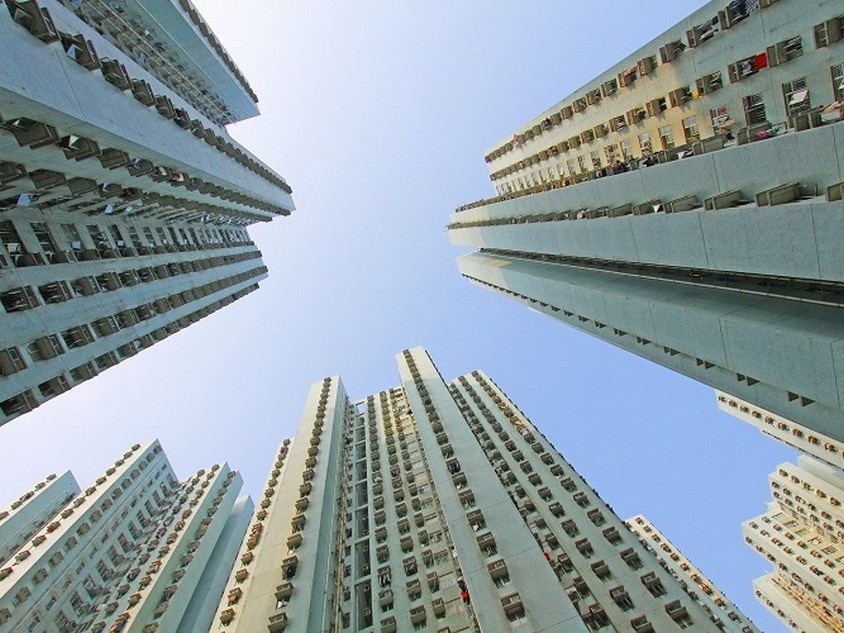
Our Hong Kong Foundation (OHKF) launched the third report of its "Land and Housing Policy Advocacy” series, “Lacunae in Land Planning: Undersized, Undersupplied and Underestimated” today. The shortage of land supply continues to put Hong Kong in a dire situation where housing – a priority concerning the public with significant implications – is regressively undersized, undersupplied and underestimated. It has caused local property prices to skyrocket beyond the norm of inflation, depressed the quality of life below historical trends, and hurt the city’s long-term competitiveness as a centre of international business. As such, Our Hong Kong Foundation (OHKF) believes that land and housing is currently one of Hong Kong’s greatest challenges.
We have noted the average size of newly constructed residential units in recent years to be substantially smaller compared to the previous norm. Also, we have found that rezoning has become the primary means of land supply, which is highly uncertain and ineffective. More importantly, we have found the actual demand for land and housing to be far greater than that anticipated in the government consultation, “Hong Kong 2030+: Towards a Planning Vision and Strategy Transcending 2030. We believe Hong Kong will need more than 9,000 hectares of new land (roughly three times the size of Sha Tin) over the next three decades, instead of 4,800 hectares as estimated by the government. Compared to other avenues of land supply, OHKF believes that reclamation is the only way of providing Hong Kong with high-quality land as a long-term solution. Hence, OHKF reiterates its suggestion to the government to consider it as a viable option to tackle the mounting challenge of land and housing shortage.




Our Hong Kong Foundation (OHKF) launched the third report of its "Land and Housing Policy Advocacy” series, “Lacunae in Land Planning: Undersized, Undersupplied and Underestimated” today. The shortage of land supply continues to put Hong Kong in a dire situation where housing – a priority concerning the public with significant implications – is regressively undersized, undersupplied and underestimated. It has caused local property prices to skyrocket beyond the norm of inflation, depressed the quality of life below historical trends, and hurt the city’s long-term competitiveness as a centre of international business. As such, Our Hong Kong Foundation (OHKF) believes that land and housing is currently one of Hong Kong’s greatest challenges.
We have noted the average size of newly constructed residential units in recent years to be substantially smaller compared to the previous norm. Also, we have found that rezoning has become the primary means of land supply, which is highly uncertain and ineffective. More importantly, we have found the actual demand for land and housing to be far greater than that anticipated in the government consultation, “Hong Kong 2030+: Towards a Planning Vision and Strategy Transcending 2030. We believe Hong Kong will need more than 9,000 hectares of new land (roughly three times the size of Sha Tin) over the next three decades, instead of 4,800 hectares as estimated by the government. Compared to other avenues of land supply, OHKF believes that reclamation is the only way of providing Hong Kong with high-quality land as a long-term solution. Hence, OHKF reiterates its suggestion to the government to consider it as a viable option to tackle the mounting challenge of land and housing shortage.